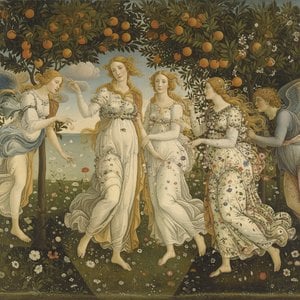
Carlo Levi: Un Pittore Testimone di Resilienza e Rivoluzione
Carlo Levi (1902–1975) si staglia come una figura singolare nella storia dell'arte italiana: pittore, scrittore, attivista e medico la cui opera trascende la mera bellezza estetica per incarnare lo spirito stesso della sua tumultuosa epoca. Nato a Torino, la vita di Levi fu definita da un'extraordinaria curiosità intellettuale e da una profonda empatia verso le comunità emarginate del Sud Italia. La sua produzione artistica riflette una prospettiva multifaccettata, caratterizzata da un distintivo stile neorealista capace di catturare sia le realtà aspre e spesso strazianti della povertà, sia la forza duratura e incrollabile dello spirito umano. Osservare il suo lavoro significa testimoniare l'opera di un uomo che non si limitò a osservare la storia, ma ne sentì il peso attraverso la lente sia del medico che dell'artista.Dalla Precisione Medica all'Espressione Artistica
Gli anni formativi di Levi furono intrisi delle tradizioni della letteratura e della filosofia, influenze che avrebbero per sempre permeato le sue imprese creative. Mentre proseguiva gli studi medici presso l'Università di Torino, laureandosi nel 1924, egli coltivava simultaneamente una nascente inclinazione artistica che si rifiutava di essere messa in ombra dal suo percorso scientifico. Questa doppia identità — quella del guaritore e quella del creatore — avrebbe successivamente definito il suo approccio unico al soggetto. La sua mostra d'esordio alla XIV Biennale di Venezia nel 1938 segnalò l'emergere di un talento destinato a affascinare il pubblico con la sua onestà senza compromessi e le sue immagini evocative. Oltre ai paesaggi tradizionali, le prime esplorazioni di Levi si spinsero verso l'astrazione e i temi della solitudine e dello sradicamento, preoccupazioni che avrebbero infine trovato la loro espressione più profonda nel suo capolavoro autobiografico, Cristo si è fermato a Eboli.L'Influenza dell'Avanguardia e l'Esilio Parigino
L'evoluzione del vocabolario visivo di Levi fu significativamente plasmata dagli incontri con il battito del modernismo europeo. Durante il suo soggiorno a Parigi, le interazioni con figure di spicco come Sergei Prokofiev e Igor Stravinsky alimentarono un interesse per la sperimentazione che sfidava i confini artistici convenzionali. L'estetica surrealista — con la sua fascinazione per le immagini oniriche e l'esplorazione dell'inconscio — lasciò un'impronta riconoscibile nella sua opera. Questa influenza è particolarmente evidente in opere come Arcadia, dove l'artista bilancia forme morbide e organiche con un senso della forma strutturato, quasi architettonico. Influenzato dalla precisione geometrica di artisti come Felice Casorati, Levi padroneggiò uno stile che utilizzava volumi puri e una presenza ritmica per creare scene di profonda quiete e armonia classica, infondendo spesso ai suoi soggetti una qualità scultorea e tattile.Un'Eredità di Testimonianza Sociale e Neorealismo
Forse il capitolo più significativo della vita di Levi fu il suo periodo di esilio politico in Lucania. Arrestato a causa del suo attivismo politico, si ritrovò immerso nei paesaggi impoveriti del Sud Italia, un'esperienza che trasformò la sua arte in un potente strumento di commento sociale. La sua scrittura e la sua pittura divennero inseparabili dalla sua missione di illuminare il "Problema del Sud". Attraverso la sua lente neorealista, documentò le fatiche quotidiane dei contadini con una simpatia lucida e non ideologica che alimentò il dibattito nazionale nel secondo dopoguerra. La sua eredità non si trova soltanto nella bellezza delle sue tele, ma nel suo ruolo di cronista della resilienza umana, assicurando che le voci degli dimenticati venissero ascoltate attraverso il potere duraturo dell'arte.Domande e risposte
Posso esplorare le opere di Carlo Levi in base allo spettro dei colori?
Le opere di Carlo Levi possono essere esplorate per colore nella pagina Indice dei colori dell'artista.
A quale periodo storico appartiene l'opera di Carlo Levi?
Carlo Levi ha operato nel periodo Età Moderna, collocando storicamente la sua attività.
Come posso seguire l'evoluzione dell'opera di Carlo Levi anno dopo anno?
La pagina Cronologia delle opere dell'artista presenta le opere di Carlo Levi in ordine cronologico, anno dopo anno.