L'Occhio Visionario di Carel Victor Morlais Weight
Nato nel cuore di Paddington, a Londra, nel 1908, Carel Victor Morlais Weight emerse come una voce singolare nella scena artistica britannica della metà del XX secolo. La sua stirpe, un arazzo di eredità svedese e tedesca, fornì uno sfondo culturale ricco per un artista la cui opera avrebbe infine colmato il divario tra la realtà mondana della vita suburbana e le profonde profondità della psiche umana. L'identità artistica primordiente di Weight fu forgiata tra le mura della Hammersmith School nel 1928, dove l'incontro con il compagno pittore Ruskin Spear accese una passione duratura per l'osservazione e l'esplorazione immaginativa. Questo periodo formativo gli instillò l'impegno a catturare non solo il mondo visibile, ma anche la risonanza atmosferica ed emotiva che aleggia sotto la sua superficie.
Man mano che la sua maestria tecnica si approfondiva attraverso gli studi al Goldsmiths College tra il 1931 e il 1933, Weight iniziò a sviluppare un'estetica distintiva caratterizzata da una straordinaria complessità materica. Era un artista di strati, impiegando spesso intricati metodi di velatura e un'accumulazione deliberata di pigmenti per creare superfici che sembravano respirare di luce. Le sue influenze affondavano le radici nelle grandi tradizioni della pittura di paesaggio britannica; la maestria atmosferica di Turner e la precisione osservativa e concreta di Constable funsero da stelle polari. Da questi maestri, ereditò un'ossessione per i sottili mutamenti della luce e per il modo in cui il tempo e l'atmosfera possano trasformare un paesaggio familiare in qualcosa di inquietantemente bello o profondamente perturbante.
Drammi Suburbani e le Ombre della Guerra
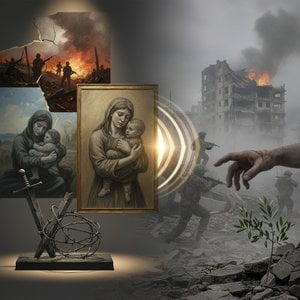
La traiettoria della carriera di Weight fu irrevocabilmente alterata dall'inizio della Seconda Guerra Mondiale. Servendo nei Royal Engineers e nell'Army Education Corps, visse in prima persona la frammentazione del mondo che cercava di ritrarre. Questo periodo di sconvolgimento non soffocò la sua creatività, ma fornì piuttosto un nuovo, cupo e toccante soggetto. In qualità di artista ufficiale di guerra, Weight andò oltre la mera documentazione, usando il pennello per catturare il peso psicologico del conflitto. Le sue composizioni di quest'epoca sono segnate da un senso di tensione e da una profonda consapevolezza della fragilità dell'esistenza, fondendo la durezza della realtà bellica con una sensibilità onirica, quasi surrealista.
Negli anni del dopoguerra, Weight rivolse lo sguardo verso i paesaggi in espansione delle periferie inglesi. Possedeva un'abilità unica nel trovare il dramma nell'ordinario, trasformando strade silenziose e scene domestiche in palcoscenici per l'indagine psicologica. La sua opera presenta spesso:
- Composizioni Evocative: Paesaggi che appaiono allo stesso tempo intimamente familiari e stranamente ultraterreni.
- Profondità Psicologica: Ritratti e figure che trasmettono un senso di isolamento o di quieta contemplazione.
- Tavolozze Cromatiche Luminose: Un uso magistrale della luce per infondere anche gli ambienti più banali di un bagliore spirituale o emotivo.
Un'Eredità Duratura nell'Arte Britannica
Nel corso della sua prolifica carriera, che si è estesa per diversi decenni fino alla sua scomparsa nel 1997, Weight è rimasto un instancabile esploratore della condizione umana. La sua capacità di coniugare le tecniche del passato — come la velatura classica e la manipolazione della luce — con le ansie moderne del XX secolo ha garantito la sua rilevanza in un mondo dell'arte in costante mutamento. I suoi contributi non furono meramente estetici ma storici, documentando il mutamento del tessuto sociale della Gran Bretagna attraverso una lente che era allo stesso tempo profondamente personale e universalmente risonante.
Oggi, l'importanza dell'opera di Carel Weight è preservata all'interno di alcune delle istituzioni più prestigiose al mondo. Le sue opere fungono da punti di riferimento vitali per comprendere l'intersezione tra paesaggio, memoria e storia moderna. La presenza dei suoi dipinti in collezioni come la Tate e il Victoria and Albert Museum (V&A) testimonia il suo impatto duraturo nel canone britannico, assicurando che la sua visione del dramma suburbano e della toccante realtà bellica continui a affascinare e perseguitare le generazioni future di amanti dell'arte.