Bernardino Castelli: A Florentine Master of Portraiture and Religious Devotion
Bernardino Castelli (1646 – 1725) stands as a prominent figure in the artistic landscape of Florence and Tuscany during the Baroque period. Born in Valle d’Aosta, he embarked on an illustrious career marked by meticulous portrait commissions and profound engagement with religious iconography—a duality that cemented his reputation as one of the era's most accomplished artists. His work continues to inspire admiration for its elegance, technical precision, and profound spiritual resonance.
Early Training & Influences
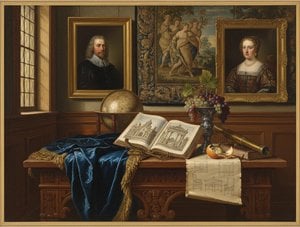
Castelli’s artistic journey commenced in Feltre under Giovanni Antonio, absorbing foundational techniques and stylistic considerations. This formative apprenticeship instilled within him a deep understanding of classical aesthetics and established connections with humanist ideals—influences that would permeate his subsequent endeavors. Recognizing Castelli's exceptional talent, Bishop Paolo Francesco Justiniani championed his ambitions, securing invaluable patronage and facilitating access to advanced artistic studies in Treviso. This pivotal relationship propelled Castelli’s career forward, culminating in a celebrated portrait of Justiniani—a commission that solidified his position as a leading portrait painter within the ecclesiastical sphere and demonstrated his ability to capture both likeness and inner character.
Notable Commissions & Artistic Development
Castelli swiftly gained renown for his unparalleled skill in portraying individuals with remarkable accuracy and sensitivity. His prolific output encompassed depictions of bishops across Tuscany, alongside revered saints like Lorenzo Justiniani and Joseph—works that reflected the fervent religious fervor characteristic of the period. These commissions honed Castelli’s mastery of conveying emotion and capturing spiritual essence—traits that became hallmarks of his distinctive artistic style. He skillfully employed luminous palettes and subtle shading techniques to imbue his subjects with a palpable sense of serenity and dignity, mirroring the humanist ideals prevalent during his time.
Venetian Academia & Papal Patronage
Castelli’s artistic trajectory extended into Venice, where he joined the Accademia di Belle Arti—a prestigious institution attracting the attention of influential patrons like Doge Paolo Renier and Pope Pius VII. During this period, Castelli flourished creatively, producing masterpieces that showcased his mastery of color and composition while upholding the traditions of Florentine art. His Venetian works exemplify the grandeur and sophistication of Baroque aesthetics, reflecting the cultural dynamism of the city during his lifetime.
Legacy & Artistic Style
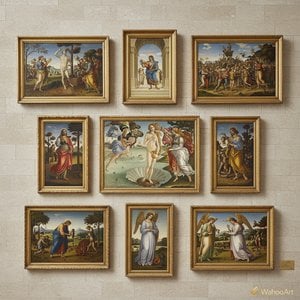
Castelli’s artistic legacy resides primarily in his exquisite portraits—particularly his depictions of religious figures—characterized by serene expressions and luminous palettes. He was revered as the “painter of beautiful madonnas,” embodying the humanist ideals prevalent during his time while simultaneously upholding the traditions of Florentine art. His meticulous attention to detail, combined with a profound understanding of human psychology, ensured that his portraits transcended mere likenesses, conveying enduring spiritual beauty and capturing the essence of his subjects’ inner lives. Bernardino Castelli remains an exemplar of Baroque artistry—a testament to the power of artistic vision and technical skill in communicating timeless values.