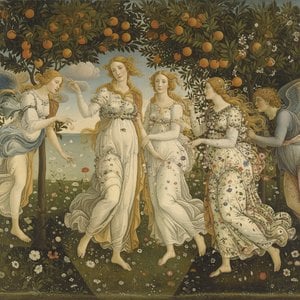
L'Eredità Radiosa di Bartolomeo Caporali
Nel cuore del Rinascimento umbro, dove le dolci colline d'Italia incontravano un profondo risveglio spirituale, il nome di Bartolomeo Caporali emerse come un faro di meticolosa bellezza e devozione. Nato a Perugia intorno al 1420, Caporali non fu solo un pittore, ma un vero maestro delle arti decorative, la cui opera di una vita intrecciò il sacro con l'ornamentale. La sua stirpe a Perugia era intrisa di maestria artigiana; con un fratello, Giapeco, impegnato come abile armaiolo, BartolomeLE crebbe in un ambiente dove la precisione e la narrazione visiva erano fondamentali. Questa precoce esposizione ai dettagli raffinati della lavorazione dei metalli e dell'araldica influenzò probabilmente la sua successiva maestria nella doratura e negli delicati ornamenti che definiscono le sue tavole più celebri.
L'evoluzione dello stile di Caporali è un viaggio affascinante attraverso le mutevoli correnti del Quattrocento. I suoi anni formativi furono plasmati dalle vibranti e ritmiche influenze di Gozzoli e
Un Maestro Versatile di Luce e Ornamento
Ciò che distingue veramente Caporali dai suoi pari era l'incredibile ampiezza della sua produzione artistica. Mentre molti artisti si concentravano esclusivamente sulla tela, il genio di Caporali si estese nella trama stessa della vita liturgica. Fu un virtuoso di diversi mezzi, muovendosi senza soluzione di continuità tra la grande scala degli affreschi monumentali e la precisione intima della miniatura. Le sue mani erano esperte nella creazione di:
- Pale d'altare sacre: Opere di grandi dimensioni come la sua Madonna e Santi per la chiesa di Santa Maria Maddalena, che mostrano un comando mozzafiato del colore.
- Tesori liturgici: La delicata esecuzione di missali e manoscritti miniati che portavano la luce divina sulla pagina.
- Arte decorativa: L'intricato lavoro di doratura, stemmi e bandiere celebrative che adornavano le cerimonie civili e religiose di Perugia.
- Contributi civici: Il suo ruolo di guida nell'Arte dei Pittori (la corporazione degli artisti) e il suo servizio come priore civile, riflettendo la sua profonda integrazione nel tessuto sociale della sua città natale.
La sua capacità di manipolare la foglia d'oro e la tempera gli permise di creare superfici che sembravano brillare dall'interno, una qualità essenziale per gli scopi devozionali della sua epoca. Che stesse dorando il soffitto di San Marco a Roma o dipingendo una tenera Adorazione dei Pastori, Caporali cercava di evocare un senso del divino attraverso lo splendore materiale.
Significato Storico e Spirito Eterno
Con il progredire del XV secolo, la bottega di Caporali divenne un pilastro della scena artistica perugina. È spesso considerato il coordinatore dell'influente Bottega del 1473, un collettivo che produsse vitali tavole religiose raffiguranti i miracoli di San Bernardino di Siena. Questo ruolo di leadership sottolinea la sua importanza non solo come creatore individuale, ma come mentore e architetto di un movimento artistico regionale. La sua influenza fluì attraverso le generazioni, impattando maestri più giovani come Perugino e Fiorenzo di Lorenzo, assicurando che la meticolosa tradizione umbra potesse perdurare.
Sebbene sia scomparso intorno al 1505, l'eredità di Bartolomeo Caporali rimane incisa nella bellezza silenziosa delle chiese e delle gallerie d'Italia. La sua opera si erge come testimonianza di un'epoca in cui l'arte era un ponte tra il terreno e l'eterno—un periodo in cui ogni tocco d'oro e ogni strato di pigmento servivano a celebrare i profondi misteri della fede. Osservare un capolavoro di Caporali significa assistere al battito cardiaco del Rinascimento: una perfetta armonia di precisione tecnica, eleganza decorativa e incrollabile devozione spirituale.