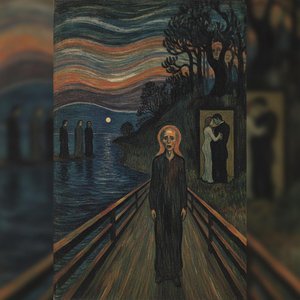
L'Architetto del Caos: Il Viaggio Artistico di Barry Le Va
Alla fine degli anni Sessanta, si verificò un cambiamento sismico nel panorama artistico americano, allontanandosi dalla staticità permanente della scultura tradizionale verso un'esperienza più viscerale e temporale. Al centro di questa rivoluzione si stagliava Barry Le Va, un artista la cui opera ha ridefinito i confini tra creazione e distruzione. Nato a Long Beach, in California, nel 1941, Le Va portò una rigorosa disciplina intellettuale nella sua pratica, radicata nella sua formazione accademica in matematica e architettura presso la CSU Long Beach. Questa base scientifica non lo condusse verso strutture rigide, ma fornì piuttosto la precisione necessaria per orchestrare ciò che sarebbe diventata una delle più profonde espressioni della "process art" del ventesimo secolo. Il suo viaggio dalla West Coast alla vibrante e sperimentale atmosfera di New York gli permise di trasformare l'atto del fare in un evento performativo, dove le tracce del movimento e la fisica della gravità divennero il suo medium principale.
Le prime esplorazioni di Le Va erano profondamente radicate nel tattile e nel grafico. Prima di diventare noto per le sue installazioni monumentali, le sue mani lavorarono attraverso densi disegni a grafite e litografie che catturavano un senso di tensione organica. Opere come “Strips to Felt Particles” (1967) mostrarono un'incredibile capacità di utilizzare texture puntiniste e sfondi a griglia per evocare una dualità tra bellezza e profondo disagio. Questi primi pezzi non erano semplici immagini, ma esplorazioni della frammentazione, riflettendo una fascinazione per il modo in cui piccoli elementi individuali — siano essi particelle o punti — possano coalescere in un insieme più grande e inquietante. Questo periodo della sua carriera gettò le basi per la sua successiva maestria con materiali come legno, pietra e feltro, mentre iniziava a spostarsi dalla pagina bidimensionale allo spazio tridimensionale del pavimento della galleria.
La Poesia del Processo e della Distribuzione
Con la transizione di Le Va nel regno dell'arte installativa, egli divenne un pioniere di ciò che viene spesso definito arte "post-studio" o "di processo". Si allontanò dall'idea dell'oggetto finito e levigato, concentrandosi invece sulle azioni che davano vita all'opera d'arte. Le sue rivoluzionarie "scatter pieces", iniziate nel 1966, sfidarono la stessa definizione di scultura. Invece di scolpire la pietra o fondere il bronzo, Le Va disperdeva materiali — cemento in polvere, gesso, sabbia, cuscinetti a sfera e persino vetro frantumato — sul pavimento in un modo che appariva allo stesso tempo accidentale e meticolosamente coreografato. Uno dei suoi metodi più struggentemente belli prevedeva l'uso del feltro amaranto; lanciando, piegando e lasciando cadere pezzi di tessuto, creava installazioni che esistevano come registrazione di una performance fisica, un momento congelato di energia cinetica.
Questo approccio trasformò lo spettatore in un testimone di un rituale compiuto. Il significato della sua opera risiedeva nella sua contingenza; l'arte non era solo il materiale sul pavimento, ma le istruzioni e il lavoro fisico necessari per distribuirlo. Questo periodo di intensa sperimentazione gli valse prestigiosi riconoscimenti, tra cui una Guggenheim Fellowship per la scultura nel 1974 e una National Endowment for the Arts Fellowship nel 1976. La sua partecipazione a mostre storiche come Documenta 5 e Documenta 6 consolidò la sua reputazione di voce guida della sua generazione, dimostrando che l'arte poteva essere trovata tra le macerie dell'azione e le tracce effimere del movimento.
L'Eredità dell'Inconscio e del Monumentale
Nelle fasi successive della sua carriera, l'opera di Le Va si evolse per abbracciare qualità ancora più monumentali ed espressioniste astratte. Iniziò a colmare il divario tra le sue prime installazioni basate sul processo e dipinti e sculture su larga scala ed evocativi che esploravano temi della mitologia, del rituale e dell'inconscio. La massiccia opera “Bunker Coagulation 25” (1996) funge da testimonianza di questa evoluzione, utilizzando cerchi vorticosi e superfici pesantemente testurizzate per confrontare lo spettatore con stati emotivi complessi. In queste opere, la tensione tra ordine e caos — un motivo ricorrente in tutta la sua vita — raggiunge un crescendo, riflettendo ansie più profonde riguardo al decadimento sociale e alla fragilità delle strutture umane.
L'importanza storica di Barry Le Va non può essere sopravvalutata. Egli rimane una figura cruciale che ha contribuito a smantellare il piedistallo della scultura tradizionale, invitando il pubblico a interagire con l'arte come un processo vivo e pulsante piuttosto che come un reperto statico. La sua capacità di fondere la precisione scientifica con paesaggi surrealisti ha lasciato un segno indelebile nell'arte installativa contemporanea. Attraverso il suo uso diversificato dei media e il suo approccio impavido alla distruzione come strumento creativo, Le Va si è assicurato che la sua eredità rimanesse per sempre incisa negli annali dell'arte americana — non come una collezione di oggetti, ma come un'esplorazione profonda dell'essenza stessa dell'esistenza e del cambiamento.
Domande e risposte
Quante opere di Barry Le Va sono disponibili nel catalogo?
Puoi sfogliare 8 opere d'arte opere di Barry Le Va nella pagina Tutte le opere.
Dove posso vedere tutte le opere di Barry Le Va?
Tutte le opere di Barry Le Va presenti su questo sito web sono consultabili nella pagina Tutte le opere dell'artista.
A quale periodo storico appartiene l'opera di Barry Le Va?
Barry Le Va ha operato nel periodo Età Moderna, collocando storicamente la sua attività.