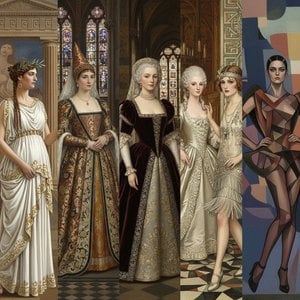
Una visionaria che ha plasmato la moda polacca tra vincoli ideologici
Barbara Hoff, nata nel 1932 nel cuore industriale di Katowice, in Polonia, rappresenta una figura singolare negli annali del design del ventesimo secolo. La sua vita e la sua opera sono molto più di semplici scelte estetiche; esse incarnano lo spirito di creatività e resilienza necessario per fiorire durante l'era restrittiva della Polonia comunista. Radicando le sue sensibilità artistiche in una profonda comprensione della cultura visiva attraverso i suoi studi presso l'Università Jagellonica, Hoff sviluppò una prospettiva che trascendeva i confini della moda tradizionale. Non si limitava a disegnare abiti; progettava un modo per gli individui di rivendicare la propria identità all'interno di un panorama di uniformità ideologica.
Il suo percorso nella coscienza pubblica non iniziò su una passerella, ma attraverso la parola scritta. Come giornalista per Przekrój, una rivista settimanale rinomata per la sua posizione progressista e socialmente consapevole, Hoff affinò una maestria osservativa che le permise di catturare il polso di una società in mutamento. La sua scrittura divenne un mezzo vitale per esplorare l'emergente mondo della moda, dove analizzava le tendenze nascenti e promuoveva un approccio più sperimentale allo stile personale. Attraverso le sue rubriche, sostenne l'idea che la moda potesse essere uno strumento di espressione personale anche quando le risorse erano scarse, colmando il divario tra l'arte alta e la vita quotidiana.
Il fenomeno Hoffland e la sfida culturale
Forse il capitolo più profondo della sua carriera fu la creazione di Hoffland. Riconoscendo l'immenso potenziale della creatività DIY tra le limitazioni della produzione controllata dallo Stato, Hoff fondò questa iniziativa di abbigliamento per dare priorità a design accessibili e collezioni prodotte in serie. Questa impresa fu un atto deliberato di sfida culturale. In un'epoca in cui i beni di consumo erano spesso monotoni e difficili da reperire, Hoffland offrì un senso di vivacità e individualità. Trasformò la necessità dell'improvvisazione in una forma d'arte celebrata, incoraggiando il suo pubblico a trasformare tessuti semplici in dichiarazioni di stile sofisticate.
L'impatto della sua opera si estese profondamente nel tessuto visivo della cultura polacca. La sua influenza non era confinata alla pagina stampata o al negozio di vendita al dettaglio; fluì anche nelle arti cinematografiche. Come costumista per film notevoli, utilizzò la sua meticolosa attenzione ai dettagli e la sua capacità di trasmettere emozioni complesse attraverso la narrazione visiva per creare personaggi memorabili. I suoi design non riguardavano mai solo il coprire il corpo; riguardavano il narrare una storia, riflettendo le lotte interne e i trionfi dell'epoca.
L'eredità di innovazione ed esplorazione artistica
Oltre agli indumenti tangibili e ai costumi cinematografici, i contributi intellettuali di Hoff rimangono una pietra miliare della sua eredità. Possedeva una rara capacità di connettere mondi disparati, scrivendo libri illuminanti che approfondivano la storia dell'arte ed esploravano le intricate connessioni tra movimenti artistici e trasformazioni sociali. Questa profondità accademica le permise di vedere la moda come parte di un continuum storico molto più ampio, dove ogni punto e silhouette rifletteva le maree mutevoli della politica e della cultura.
Oggi, l'opera di Barbara Hoff è ricordata per il suo uso audace del colore e per il suo duraturo spirito di innovazione. I suoi traguardi possono essere riassunti attraverso alcuni pilastri chiave della sua carriera:
- Democratizzazione dello stile: Rendere la moda accessibile alle masse attraverso l'uso ingegnoso di collezioni prodotte in serie e tecniche DIY.
- Influenza giornalistica: Utilizzare Przekrój come piattaforma per sfidare le estetiche stabilite e promuovere valori sociali progressisti.
- Arte cinematografica: Potenziare il potere narrativo del cinema attraverso un design dei costumi evocativo e storicamente risonante.
- Resilienza culturale: Creare un senso di agenzia individuale e libertà estetica all'interno dei vincoli di un regime comunista.
Barbara Hoff rimane un'icona della creatività polacca, una designer che ha compreso come il vero stile nasca dalla capacità di trovare bellezza e distinzione anche nelle circostanze più difficili.
Domande e risposte
Posso studiare l'uso del colore di Barbara Hoff in tutte le sue opere?
Il profilo cromatico delle opere di Barbara Hoff è visualizzabile nella pagina Genoma della Palette dell'artista.
Dove si trovano le opere di Barbara Hoff mappate per soggetto?
L'Atlante dei soggetti di Barbara Hoff è una pagina che mappa le opere dell'artista in base ai loro soggetti.
Posso ordinare le opere di Barbara Hoff per colore?
L'indice spettrale di Barbara Hoff, consultabile tramite Indice Spettrale, è una pagina che organizza le opere dell'artista in base ai loro colori.