


Augustus Earle: Il Pennello di un Viandante attraverso un Mondo in Mutamento
Augustus Earle, nato a Londra nel 1793, fu molto più di un semplice artista; fu il cronista di un mondo colto in una profonda trasformazione. A differenza di molti artisti del suo tempo, legati al patrocinio aristocratico o impiegati in formali spedizioni esplorative, Earle si aprì un sentiero unico: una vita alimentata dal desiderio di vagabondare e sostenuta proprio dall'arte che egli stesso creava. La sua eredità non risiede solo nella bellezza dei suoi acquerelli e dei suoi schizzi, ma anche nella loro inestimabile documentazione degli incontri avvenuti all'inizio del XIX secolo tra le culture europee e quelle incontrate in ogni angolo del globo. Il nome stesso, con quella "e" aggiuntiva, suggerisce un desiderio di distinzione, riflettendo forse lo spirito indipendente di Earle e l'ambizione di forgiare una propria identità artistica. Le sue radici familiari—un padre americano, James Earle, egli stesso artista, e una madre appartenente a una stirpe intrecciata con la storia coloniale—favorirono probabilmente un senso di connessione tra i due continenti, alimentando la sua insaziabile curiosità verso il mondo intero. Sebbene la formazione iniziale presso la Royal Academy abbia dimostrato una solida base classica, questa fu presto superata da una visione artistica più personale, guidata dall'osservazione diretta e dall'esperienza piuttosto che dalle convenzioni accademiche.Dalle Coste del Mediterraneo agli Orizzonti del Sud America
Il viaggio di Earle ebbe inizio seriamente con una traversata del Mediterraneo nel 1815, resa possibile dalla posizione del fratellastro all'interno della Royal Navy. Questa prima incursione in terre straniere accese una passione per il viaggio che avrebbe definito l'intera sua carriera. Gli schizzi e gli acquerelli prodotti in questo periodo rivelano una crescente abilità nel catturare dettagli architettonici e paesaggi atmosferici, gettando le basi per i suoi progetti successivi, ancora più ambiziosi. Il suo seguente viaggio negli Stati Uniti nel 1818 segnò un altro passo significativo, esponendolo a una nazione nascente impegnata nella ricerca della propria identità. Tuttavia, fu il Sud America a catturare veramente l'immaginazione di Earle. Gli anni trascorsi in Brasile, Cile e Perù offrirono ampie opportunità per documentare la cultura vibrante, le complesse dinamiche sociali e le crudeltà della schiavitù—un tema che affrontò con onestà incrollabile in opere come "Punishing negroes at Cathabouco". Queste non erano semplici scene pittoresche; erano osservazioni di una società sull'orlo del cambiamento, plasmata dal potere coloniale e dal commercio transatlantico degli schiavi. L'enorme quantità di lavoro prodotta in questo periodo—paesaggi, ritratti, studi etnografici—parla della straordinaria produttività di Earle e della sua dedizione nel registrare ogni sfaccettatura della vita che incontrava.L'Isolamento di Tristan da Cunha e la Scoperta della Nuova Zelanda
Forse l'episodio più straordinario dei viaggi di Earle fu la sua inaspettata sosta sulla remota isola di Tristan da Cunha. Abbandonato dalla sua nave nel 1824, trascorse quasi un anno come precettore e maestro in quella piccola comunità, trasformando l'avversità in un'opportunimento artistico. Gli acquerelli di questo periodo possiedono un'intimità unica, catturando i ritmi quotidiani della vita sull'isola isolata con una sensibilità straordinaria. Ma fu la Nuova Zelanda a cementare il posto di Earle nella storia dell'arte. Arrivato nel 1827, divenne il primo artista europeo a dedicare un tempo significativo allo studio della cultura e della società Māori. Le sue rappresentazioni dei costumi Māori—cerimonie, guerre, vita quotidiana—sono documenti storici inestimabili, che offrono uno sguardo su un mondo rapidamente alterato dal contatto con l'Europa. L'ammirazione di Earle per il popolo Māori è evidente nelle sue scritture e nelle sue opere; egli celebrò la loro forza fisica, l'abilità artistica e le complesse strutture sociali, arrivando persino a criticare i missionari che tentavano di sopprimere le pratiche tradizionali. Egli vide in loro una nobiltà d'animo che trascendeva le differenze culturali, una prospettiva rara tra gli osservatori europei dell'epoca.L'Eredità: Un Pioniere dell'Arte di Viaggio e della Documentazione Storica
Augustus Earle morì relativamente giovane, nel 1838, ma la sua eredità artistica perdura. La sua opera rimane una testimonianza del potere dell'osservazione e dell'importanza di documentare le culture sull'orlo del cambiamento. Sebbene non fosse esente da pregiudizi—come ogni artista che riflette il proprio tempo—il suo impegno nel ritrarre ciò che vedeva con onestà e dettaglio è innegabile. L'influenza di Earle si estende oltre l'ambito della storia dell'arte; i suoi schizzi e acquerelli forniscono intuizioni preziose per storici, antropologi e chiunque sia interessato a comprendere le complessità delle interazioni globali del XIX secolo. Egli fu pioniere di una nuova forma di arte di viaggio, capace di combinare l'abilità artistica con l'osservazione etnografica, e il suo lavoro continua a ispirare artisti e studiosi allo stesso modo. La sua capacità di guadagnarsi da vivere attraverso l'arte mentre attraversava i continenti fu senza precedenti, stabilendolo come un artista veramente indipendente la cui eredità è incisa nei colori vibranti dei suoi acquerelli e nelle linee dettagliate dei suoi schizzi: un registro visivo di un mondo irrevocabilmente trasformato.Domande e risposte
Con quali pseudonimi o nomi alternativi è conosciuto Augusto Earle?
Augusto Earle è noto anche con i nomi Augustus Earle.
Esiste una panoramica di tutti i soggetti dipinti da Augusto Earle?
L'Catalogo per soggetti di Augusto Earle è una pagina che organizza le opere dell'artista in base ai loro soggetti.
Dove posso vedere tutte le opere di Augusto Earle?
Tutte le opere di Augusto Earle presenti su questo sito web sono consultabili nella pagina Tutte le opere dell'artista.
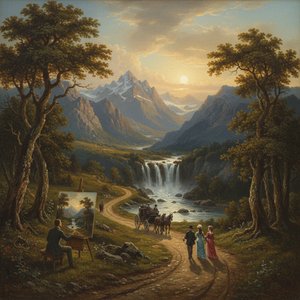


![Port Jackson, New South Wales [picture] / [augustus Earle] — Augusto Earle](/media/artworks/images-thumb/fb/08/fb08b9cec7c051c607c62da47c6f4247.jpg)

