CONSULENZA D'ARTE GRATUITA

x

Astrid Tiits

1907 - 2005

Brevi note biografiche

  • Nationality: Estonia
  • Art period: Moderno
  • Top-ranked work: Cup and saucer from the
  • Born: 1907, Tallinn, Estonia
  • Died: 2005
  • Copyright status: Under copyright
  • Espandi dettagli…
  • Museums on APS:
    • Tallinn City Museum
    • Tallinn City Museum
    • Tallinn City Museum
    • Tallinn City Museum
    • Tallinn City Museum
  • Lifespan: 98 years
  • Also known as: Astrid Andreas Parmask
  • Top 3 works: Cup and saucer from the
  • Works on APS: 1

Quiz d'arte

Per ogni domanda è presente una sola risposta corretta.

Domanda 1:
Qual è il movimento artistico che ha influenzato fortemente lo stile di Astrid Tiits?
Domanda 2:
Dove Astrid Tiits ha lavorato principalmente come ceramista designer?
Domanda 3:
Quale famoso progetto di arredamento è attribuito ad Astrid Tiits?
Domanda 4:
Astrid Tiits è nata in quale città estone?
Domanda 5:
Quale materiale utilizzava frequentemente Astrid Tiits nelle sue opere artistiche?

Astrid Tiits – Estonian Ceramicist and Art Deco Pioneer

Astrid Andreas Parmask, affectionately known as Astrid Tiits (1907-2005), was an Estonian ceramic artist and designer who left an indelible mark on Estonia’s cultural landscape. Born in Tallinn on June 16, 1907, Tiits embarked on her artistic journey without formal training—she was a true autodidact—a testament to her unwavering passion for creativity and her innate ability to transform ideas into tangible beauty. Her formative years were shaped by the turbulent backdrop of Estonia’s independence struggles following World War I, fostering resilience and determination that would characterize her entire life's work.

Early Influences & Artistic Education

Despite lacking traditional academic credentials, Tiits possessed a keen understanding of artistic principles honed through self-study and observation. Notably, she attended a ceramics class at Tallinn’s Elfriede Lenderi Tütarlaste Gümnaasium (Girls’ Gymnasium) between 1917 and 1925 under the guidance of Charlotte Hoeppener, gaining invaluable experience in shaping clay and mastering decorative techniques. This early exposure instilled in her a foundational appreciation for craftsmanship and artistic expression—skills that would prove crucial to her subsequent accomplishments. She diligently absorbed knowledge from master craftsmen and studied the works of prominent European artists, cultivating an aesthetic sensibility that would inform her entire oeuvre.

The Nikolai Langebraun Porcelain Factory & The Dragon Set

Tiits’s professional career took root at the Nikolai Langebraun Porcelain Factory, where she served as a decorator from 1930 until her retirement in 2005. This collaboration proved extraordinarily fruitful, yielding numerous iconic designs that cemented her reputation as Estonia's foremost ceramic artist. Among these masterpieces is undoubtedly “The Dragon Set,” a breathtaking collection of porcelain tableware featuring stylized dragon motifs—a symbol deeply rooted in Estonian folklore and representing strength, protection, and auspiciousness. Tiits’s meticulous attention to detail and her masterful command of color palettes – predominantly gold and black – elevated the set beyond mere functionality, transforming it into an exquisite embodiment of Art Deco aesthetics. The Dragon Set's intricate ornamentation and bold geometric patterns exemplify Tiits’s commitment to pushing artistic boundaries while honoring Estonian traditions.

Art Deco Style & Decorative Techniques

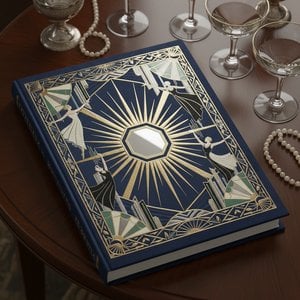
Tiits's artistic style is undeniably influenced by the Art Deco movement, which flourished in Europe during the 1920s and 30s. Characterized by geometric shapes, opulent ornamentation, and luxurious materials—such as gold leaf—Art Deco reflected a broader cultural fascination with modernity and glamour. Tiits skillfully incorporated these stylistic elements into her ceramic designs, creating pieces that possessed both elegance and dynamism. Her techniques included slip casting, glazing, etching, and hand-painting, demonstrating her versatility and dedication to achieving exceptional visual impact. She experimented tirelessly with different textures and surface treatments, striving for perfection in every piece she created.

Legacy & Recognition

Astrid Tiits’s contribution to Estonian ceramics extends far beyond her celebrated “Dragon Set.” She established a studio in New York City after emigrating in 1944, where she continued to produce stunning porcelain artworks and collaborated with Vosmansky Studios on innovative ceramic lamps. Her unwavering commitment to artistic excellence—coupled with her profound understanding of the needs of her clientele—earned her widespread acclaim and solidified her position as one of Estonia’s most beloved artists. Astrid Tiits passed away peacefully in New York City in 2005, leaving behind a legacy of enduring beauty and inspiring creativity. Her work remains an invaluable treasure trove for art historians and collectors alike, serving as a poignant reminder of Estonia's artistic heritage. She was honored with numerous awards recognizing her exceptional talent and dedication to the craft of ceramic artistry.