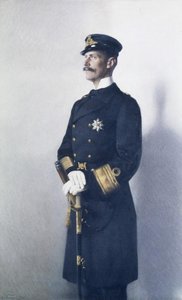
Asta Nørregaard: A Portraitist of Quiet Dignity
Asta Nørregaard (August 13, 1853 – March 23, 1933), born in Christiania (now Oslo), Norway, stands as a testament to the enduring power of quiet observation and meticulous craftsmanship within Norwegian art history. Her legacy rests primarily on her captivating portraits—images imbued with an understated elegance that capture not merely likeness but also the essence of her subjects’ character and spirit. Despite facing personal hardships early in life – orphaned at a young age alongside her sister – Nørregaard persevered, pursuing artistic education diligently and establishing herself as a respected artist within her time. Her formative years were marked by enrollment at Knud Bergslæn’s painting school alongside Harriet Backer, where she honed foundational skills alongside fellow aspiring painters. Influenced profoundly by the teachings of Eilif Peterssen in Munich (1875-1878), Nørregaard embraced a European artistic sensibility, immersing herself in Impressionistic techniques and exploring the expressive potential of color palettes. This period solidified her connection to Parisian art culture, where she undertook intensive studies during 1879, absorbing the stylistic innovations championed by artists like Claude Monet and Edgar Degas. Her meticulous attention to detail—particularly concerning light and shadow—became a hallmark of her artistic style, mirroring the Impressionist preoccupation with capturing transient moments and conveying atmospheric sensations. Nørregaard’s artistic journey continued with exhibitions at prominent venues across Norway and internationally. Solo showings at Blomqvist Kunsthandel in 1893, 1903, 1913 and 1925 showcased her distinctive style—characterized by a masterful command of light and shadow, coupled with an unwavering commitment to realism. Furthermore, she consistently participated in group exhibitions, including Salon de Paris (1881-1882) and World Exhibitions in Antwerp (1885) and Paris (1889), demonstrating her engagement with broader artistic dialogues. These collaborations allowed her to engage with contemporary artistic trends and refine her technique under the guidance of influential peers. Recognition of her talent culminated in the King’s Medal of Merit in Gold in 1920, a prestigious honor bestowed upon artists who contribute significantly to Norwegian cultural heritage—a testament to her enduring contribution to the visual arts. Her paintings reside in esteemed institutions such as Munch Museum, Oslo City Museum, University of Oslo and National Gallery in Oslo—testaments to their enduring artistic merit and historical significance. Notably, her work exemplifies the Romantic tradition's focus on emotion and psychological depth alongside Impressionism’s exploration of fleeting moments and atmospheric effects. The artist’s ability to convey inner states through visual representation remains a remarkable achievement, securing her place as one of Norway’s most celebrated portraitists. She is remembered not for grand narratives or dramatic gestures but for the quiet dignity and profound sensitivity evident in her portraits—images that continue to resonate with viewers today.- Notable Works: “Untitled (AQRPFV),” “Untitled (AQRPFK),” “Untitled (AQRPFD)”
- Influences: Eilif Peterssen, Impressionism, Harriet Backer
- Achievements: King’s Medal of Merit in Gold (1920), Frequent Exhibitions at Salon de Paris and World Exhibitions