Antonio Pigafetta: Chronicler of Magellan’s Epic Voyage
Antonio Pigafetta (1491 – c. 1531) stands as one of the most remarkable figures in the annals of European exploration, primarily recognized for his meticulous chronicle of Ferdinand Magellan's groundbreaking circumnavigation of the globe—a feat that irrevocably altered perceptions of geography and ushered in a new era of maritime adventure. Born in Vicenza, Italy, around 1491, Pigafetta’s life unfolded against the backdrop of Renaissance Italy, shaping him into an erudite scholar deeply immersed in humanist thought and scientific inquiry. While precise details regarding his formative years remain elusive, biographical accounts indicate he possessed a considerable grasp of Latin and Greek—languages crucial for scholarly pursuits during that period—laying the foundation for his future intellectual endeavors.
Early Life and Education: Seeds of Curiosity
Pigafetta’s upbringing within a noble Venetian family instilled in him a privileged education, fostering an unwavering fascination with knowledge and observation. His father, Giovanni Pigafetta, was a respected diplomat serving under papal authority, exposing young Antonio to diplomatic intricacies and broadening his worldview. Lucia, his mother—daughter of Marco Muzan—further enriched his intellectual milieu with connections to influential humanist circles. Although the specifics of his formal schooling are debated among historians, it’s evident that Pigafetta cultivated an exceptional aptitude for learning, demonstrating a passion for mastering diverse disciplines—a characteristic that would prove invaluable in documenting Magellan's voyage. He absorbed the humanist ideals prevalent during his time, prioritizing reason and empirical observation – principles that profoundly impacted his approach to recording the Magellan expedition.
The Magellan Expedition: A Journey Into The Unknown
Pigafetta’s destiny took a decisive turn when he joined Magellan’s ambitious expedition to circumnavigate the Earth in 1519, embarking on an odyssey that defied conventional wisdom and challenged established cosmological beliefs. Serving as Magellan's personal assistant and cartographer, Pigafetta diligently recorded every facet of the voyage—from navigational maneuvers and encounters with exotic cultures to observations of flora and fauna—transforming his experiences into a detailed journal that would become one of the most treasured sources for historians studying this pivotal moment in maritime history. Notably, Pigafetta’s chronicle captured the captivating tale of Cebuano language – an early record of its existence and evolution. He meticulously charted the route taken by Magellan's fleet, painstakingly documenting landmarks, currents, and weather conditions—information that would prove invaluable to subsequent navigators. The voyage was fraught with peril, yet Pigafetta persevered, driven by a thirst for discovery and a commitment to preserving accurate accounts of their journey.
Artistic Legacy: Illustrations That Brought Magellan's World to Life
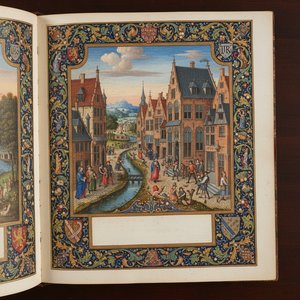
Though Pigafetta himself wasn’t a painter, his writings profoundly influenced artistic interpretations of Magellan’s voyage. Artists like Vittore Crivelli and Jacopo Bellini skillfully rendered Pigafetta’s descriptions into stunning visual representations—primarily housed in the Museo Isabella Ugliacci di San Giorgio Maggiore in Venice. These illustrations breathed life into Magellan's expedition, conveying the grandeur of the ships, the vibrancy of the islands visited, and the faces of the explorers themselves. The meticulous detail evident in these artworks underscores Pigafetta’s contribution to shaping public understanding of this monumental undertaking. His journal inspired artists to depict scenes from the voyage with remarkable accuracy—a testament to the power of textual inspiration.
Historical Significance: Shaping Our Understanding of Exploration
Pigafetta’s journal transcends mere documentation; it constitutes a cornerstone of our knowledge concerning the 16th century and stands as an unparalleled testament to human curiosity and ambition. His meticulous observations—combined with his astute analysis of navigational techniques and cultural interactions—provided invaluable insights into the complexities of early maritime exploration. Furthermore, Pigafetta’s chronicle fueled the burgeoning Venetian painting art movement, inspiring artists to capture the spirit of discovery and conveying the grandeur of Magellan's voyage. Today, Antonio Pigafetta is revered as a pioneer whose legacy continues to resonate within scholarly circles and inspires awe for the audacity of human endeavor—a true embodiment of Renaissance intellectual fervor and maritime exploration’s transformative power. He cemented his place in history not through artistic creation but through the profound impact of his meticulous record-keeping – ensuring that Magellan's voyage would endure as a beacon of scientific advancement and adventurous spirit for centuries to come.