La Grandezza del Cavaliere: La Vita e l'Arte di Andrea Casali
Nel luminoso arazzo del diciottesimo secolo, poche figure incarnano la transizione stilistica dall'intensità drammatica del Barocco alla delicata grazia del Rococò con tanta eleganza come Andrea Casali. Nato nel 1705 nella città costiera di Civitancchia, all'interno degli Stati Pontifici, i primi anni di Casali furono immersi nelle ricche tradizioni dei capolavori italiani. La sua formazione artistica fu forgiata sotto la guida di stimati maestri come Sebastiano Conca e Francesco Trevisani, mentori che gli trasmisero un profondo dominio della luce, dell'ombra e della composizione classica. Prima che il suo nome diventasse sinonimo dell'alta società inglese, Casali si affermò come un formidabile pittore decorativo, adornando gli spazi sacri delle chiese romane con affreschi che infondevano vita alle narrazioni divine attraverso dettagli meticolosi e un crescente senso del movimento.
L'anno 1729 segnò un momento cruciale nella sua ascesa personale e professionale, quando fu investito Cavaliere dello Spadino d'Oro. Questo prestigioso titolo fece molto più che elevare il suo status sociale; gli fornì un onore che lo avrebbe accompagnato oltre i confini, guadagnandogli l'affettuoso e rispettoso soprannome di “il Cavaliere Casali” una volta raggiunte le coste della Gran Bretagna. Il suo viaggio dalla grandezza ecclesiastica di Roma ai sofisticati salotti di Londra rappresenta un affascinante ponte culturale, poiché egli portò il calore e la teatralità della pittura italiana nel cuore dell'Illuminismo inglese.
Un'Eredità Transnazionale: Dagli Affreschi Romani ai Salotti Inglesi
Il trasferimento di Casali in Inghilterra nel 1741 diede inizio a un'era prolificante che avrebbe ridefinito la sua carriera. Per venticinque anni, egli navigò il vibrante panorama culturale della Gran Bretagna, diventando una figura ricercata tra la nobiltya terriera e l'élite intellettuale. La sua presenza a Londra non era quella di un semplice pittore in visita, ma quella di un influente agente culturale. Coltivò legami profondi con illustri mecenati, tra cui spiccano Thomas Coke, Conte di Leicester, e l'influente Aldermanno William Beckford, le cui commissioni gli permisero di tradurre la sua formazione italiana in opere che risuonavano con il gusto inglese per la mitologia classica e il dramma storico.
Al di là della tela, Casali dimostrò una straordinaria versatilità e un acume commerciale che lo distinsero da molti dei suoi contemporanei. Non fu solo un creatore di bellezza, ma anche un partecipante attivo nel nascente mercato dell'arte londinese, organizzando notevoli aste che mettevano in mostra il suo occhio attento al valore e alla qualità. Questa doppia identità, di artista e astuto mercante d'arte, gli permise di plasmare le preferenze estetiche della sua epoca. La sua influenza si estese persino alla generazione successiva di pittori; attraverso la sua mentorship di James Durno, la maestria tecnica e le sfumature stilistiche di Casali furono tramandate, assicurando che gli echi della sua formazione romana risuonassero nell'arte inglese per gli anni a venire.
Maestria tra Mito e Movimento
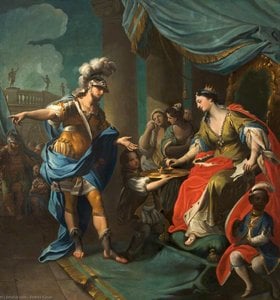
La vera essenza del genio di Casali risiede nella sua capacità di fondere le texture pesanti ed emotive del Barocco con la leggerezza ornamentale e ariosa del Rococò. Il suo repertorio è un'emozionante esplorazione di temi classici, dove dei e mortali interagiscono all'interno di paesaggi di straordinaria bellezza. Osservare il suo lavoro significa assistere a una lezione magistrale di dinamismo compositivo e ricchezza cromatica:
- Narrative Mitologiche: In opere come Bacco e Ariadne e il Ratto di Ariadne, Casali utilizza un drammatico chiaroscuro per intensificare la tensione emotiva del mito, impiegando colori ricchi e saturi per dare vita alle figure leggendarie.
- <Profondità Allegorica: La sua capacità di infondere significati simbolici ai soggetti è evidente in opere come Mercurio e Minerva che presiedono alle Arti, dove le divinità classiche fungono da veicoli per gli ideali dell'Illuminismo riguardanti la conoscenza e la creatività.
- <Precisione Tecnica: Che si tratti di eseguire affreschi religiosi su larga scala o intime scene mitologiche, la sua pennellata mantiene un livello costante di squisito dettaglio, dal tenue bagliore della luce celeste alle intricate trame dei drappeggi e della pelle.
Quando Casali tornò infine a Roma nel 1766, lasciò dietro di sé un'eredità che abbracciò due nazioni e molteplici movimenti artistici. Sebbene sia scomparso nel 1784, il suo contributo al canone della storia dell'arte europea rimane indelebile. Egli si erge come testimonianza dell'era del maestro viaggiatore: un artista la cui vita fu un dialogo continuo tra le sacre tradizioni dell'Italia e l'evolversi dell'eleganza del Rococò inglese.
Domande e risposte
Posso sfogliare le opere di Andrea Casali in base all'umore?
Le opere di Andrea Casali possono essere esplorate per emozione nella pagina Spazi d'atmosfera, dove le opere sono raccolte in base al mood che trasmettono.
In quale città e in quale paese è nato/a Andrea Casali?
Andrea Casali è nato a Civitavecchia, in Italia.
Come posso trovare tutte le opere di Andrea Casali suddivise per tecnica?
La pagina Per tecnica raggruppa le opere di Andrea Casali per tecnica.