Una vita tra due mondi: le radici cosmopolite di Alexander Mark Rossi
La storia di Alexander Mark Rossi non inizia nel cuore pulsante di Londra, ma sulle coste baciate dal sole di Corfù, in Grecia. Nato nel 1841, Rossi fu figlio di un'unica e straordinaria intersezione culturale; suo padre, il dottor Mark Rossi, era un diplomatico italiano al servizio dell'amministrazione britannica nelle Isole Ionie. Questa precoce esposizione a un paesaggio mediterraneo, osservato attraverso la lente dell'influenza coloniale britannica, donò all'artista una prospettiva cosmopolita che avrebbe successivamente definito l'ampiezza della sua visione. Sebbene le sue radici fossero ancorate alle isole greche, il suo destino artistico rimase indissolubilmente legato alla grandezza e alle complessità sociali dell'Inghilterra vittoriana.
Il suo percorso verso il consolidamento come pilastro della scena artistica britannica della fine del XIX secolo fu segnato da significative transizioni personali e geografiche. Nel 1866, una visita a Preston, nel Lancashire, si rivelò un momento cruciale della sua vita, poiché incontrò e infine sposò Jane Gillow. Questa unione lo ancorò saldamente al panorama inglese. Già negli anni '70, spinto dall'attrazione magnetica dell'epicentro culturale dell'epoca, Rossi si trasferì a Londra. Fu proprio qui che emerse davvero dalle ombre degli anni formativi per reclamare il proprio posto tra i pittori d'élite della sua generazione, stabilendo una presenza capace di imporre rispetto nelle gallerie più prestigiose dell'epoca.
La maestria del genere: catturare l'innocenza e l'eleganza
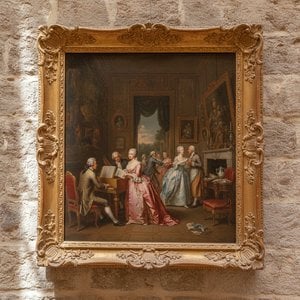
L'opera artistica di Rossi è una profonda esplorazione della pittura di genere, uno stile dedicato alla rappresentazione evocativa della vita quotidiana. Egli possedeva una rara capacità di trasformare il banale in monumentale, trovando una profonda risonanza narrativa nei momenti silenziosi della domesticità e dell'infanzia. Gran parte del suo lavoro si concentrò sul ritratto di bambini e giovani adulti, utilizzando spesso membri della sua stessa famiglia come modelli. Questo legame intimo con i suoi soggetti conferì un'autenticità senza pari alle sue tele, permettendogli di catturare l'essenza fuggevole dell'innocenza infantile con una tenerezza che risuonò profondamente nel pubblico vittoriano.
Il suo approccio tecnico era una sofisticata fusione di realismo e tecniche più fluide e atmosferiche. Sebbene il suo impegno per il dettaglio sia sorprendentemente evidente in opere come The Little Model, dove le trame della carta da parati floreale e la luce soffusa creano un senso di sereno fascino, egli non ebbe timore di abbracciare il potenziale espressivo del pennello. Si può osservare una sottile propensione verso qualità impressioniste attraverso l'uso di pennellate libere e delicate tavolozze cromatiche per evocare l'atmosfera. Inoltre, l'influenza del movimento Preraffaellita è palpabile nelle sue composizioni più liriche, dove l'immaginario simbolico e un senso romantico della bellezza infondono alle scene una qualità poetica e suggestiva.
L'eredità e le ombre della società vittoriana
Con il progredire della carriera di Rossi, egli ottenne un significativo riconoscimento istituzionale. Tra il 1871 e il 1903, fu un espositore frequente e celebrato alla Royal Academy, contribuendo con sessantasei opere alle sue prestigiose sale. La sua appartenenza all'Hogarth Club — un prestigioso circolo di pittori dedicati al realismo e alla critica sociale — consolidò ulteriormente il suo status di artista di merito intellettuale e tecnico. La sua capacità di navigare sia tra le richieste sentimentali del gusto vittoriano che i più rigorosi standard del realismo accademico gli permise di mantenere una rilevanza duratura.
Forse nessun'opera singola racchiude la profondità emotiva del suo talento meglio del suo capolavoro del 1897, Forbidden Books. Questa rappresentazione inquietante funge da testimonianza della sua abilità nel tessere tensione e narrazione in un unico fotogramma, andando oltre il semplice ritratto per entrare nel regno dello storytelling psicologico. Attraverso l'opera della sua vita, Rossi ha lasciato una registrazione visiva di un'epoca definita dalla sua fascinazione per la virtù domestica, la gerarchia sociale e l'idealizzata bellezza della giovinezza. La sua eredità rimane quella di un pittore capace di colmare il divario tra il calore intimo del focolare familiare e le grandi, ampie narrazioni di un impero britannico in mutamento.
Domande e risposte
Posso esplorare le opere di Alexander Mark Rossi tramite parole chiave?
Le opere di Alexander Mark Rossi possono essere esplorate tramite parole chiave nella pagina Per parole chiave dell'artista. Ogni parola chiave raggruppa le opere correlate.
Dove si possono trovare le opere di Alexander Mark Rossi raggruppate per movimento artistico?
La pagina Tutti i movimenti raggruppa le opere di Alexander Mark Rossi per movimento artistico.
Posso ordinare le opere di Alexander Mark Rossi per colore?
La pagina Indice dei colori di Alexander Mark Rossi organizza le opere dell'artista in base al colore.