Il Pittore della Vita Scozzese
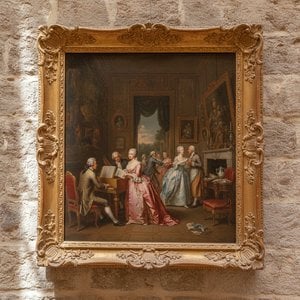
Alexander Carse rimane una figura affascinante negli annali dell'arte scozzese, un pittore il cui pennello seppe catturare l'essenza stessa della vita di villaggio del XIX secolo con profonda calore e realismo. Nato a Innerwick, nell'East Lothian, in Scozia, Carse emerse da una stirpe radicata nella bellezza selvaggia della sua terra natale. Il suo primo percorso artistico fu plasmato dal prestigioso Trustees' Drawing Academy di Edimello, dove iniziò i suoi studi formali nel 1801. Fu proprio tra queste mura accademiche che incontrò la profonda influenza della pittura olandese, uno studio che avrebbe per sempre informato il suo approccio alla luce e agli spazi interni. Questa fascinazione per i maestri fiamminghi gli permise di infondere nelle sue successive rappresentazioni di interni domestici un senso di quieta intimità e meticoloso dettaglio.
Lo sviluppo dello stile di Carse fu ulteriormente nutrito dalla guida di David Allan, una figura significativa la cui influenza è chiaramente visibile nelle prime opere dell'artista. Sotto questa maestria, Carse iniziò a padroneggiare la pittura di genere, specializzandosi in scene che celebravano i ritmi dell'esistenza rurale. Il suo talento nel catturare lo spirito umano all'interno di contesti comunitari gli valse grandi elogi; in particolare, l'antiquario scozzese, l'undicesimo Conte di Buchan, lo descrisse una volta come il principale pittore di scene di villaggio. Che stesse ritraendo una famiglia riunita attorno alla Bibbia o l'atmosfera vivace di un costume locale, Carse possedeva un'abilità unica nel fondere l'accuratezza storica con una risonanza emotiva capace di parlare al cuore dell'identità scozzese.
Ambizione e Eredità Artistica
La carriera di Carse fu segnata da periodi di grande ambizione e da un continuo movimento tra i centri artistici della Scozia e dell'Inghilterra. Nel 1812, si trasferì a Londra, cercando di affermarsi su un palcoscenico più ampio. Durante quest'epoca, si trovò in diretta competizione con altre figure notevoli come David Wilkie, lottando per conquistare uno spazio unico all'interno della Royal Academy e della British Institution. Il suo periodo londinese fu caratterizzato da un rigoroso sforzo nel perfezionare la sua tecnica, producendo opere come Country Relations, ampiamente considerata uno dei suoi più grandi traguardi. Nonostante l'intensa dedizione e la portata di alcune delle sue commissioni storiche — in particolare la sua massiccia e dettagliata raffigurazione della visita di Giorgio IV a Leith nel 1822 — le pressioni economiche del mercato dell'arte londinese lo riportarono infine in Scozia.
L'importanza di Alexander Carse risiede non solo nella sua abilità tecnica, ma anche nel suo ruolo di cronista visivo di un'epoca che stava svanendo. Le sue opere fungono da finestre sul tessuto sociale del suo tempo, spaziando tra:
- Intimi autoritratti e scene familiari che rivelano il lato personale della vita dell'artista;
- Tele storiche di grande scala che documentano significative visite reali ed eventi nazionali;
- Dipinti di genere sulla vita sportiva, incluse le prime raffigurazioni di partite di calcio;
- Dettagliati studi d'interni influenzati dalla tradizione olandese, focalizzati su luce, consistenza e domesticità.
Domande e risposte
Esiste un elenco completo delle opere di Alexander Carse?
Ogni opera di Alexander Carse su questo sito può essere consultata nella pagina Tutte le opere d'arte dell'artista.
Come si è evoluta l'arte di Alexander Carse nel tempo?
Un resoconto cronologico delle opere di Alexander Carse è disponibile nella pagina Cronologia dell'artista, dove le opere sono presentate nell'ordine di creazione, capitolo dopo capitolo.
Dove posso vedere il profilo cromatico delle opere di Alexander Carse?
Il Genoma della Palette di Alexander Carse è una pagina che presenta il profilo cromatico dell'intera produzione dell'artista.