Il Profeta dell'Era Elettrica: Il Mondo Visionario di Albert Robida
Al crepuscolo del XIX secolo, mentre gli ingranaggi della Rivoluzione Industriale iniziavano a girare con un'intensità quasi febbrile, un artista guardò oltre la fuliggine e il vapore per scorgere un futuro carico di elettricità e meraviglia. Albert Robida non era semplicemente un illustratore o un romanziere; era un viaggiatore temporale, un uomo la cui penna tracciò i contorni di un secolo ancora da nascere. Nato nella storica città di Compiègne nel 1848, Robida possedeva una rara dualità intellettuale, fondendo la meticolosa precisione di un notaio esperto con la sconfinata e satirica immaginazione di un vero narratore. I suoi primi anni, immersi nella letteratura classica e nelle belle arti, gettarono le basi per una carriera che avrebbe infine colmato il divario tra il crudo realismo della sua epoca e le fantastiche possibilità della fantascienza.
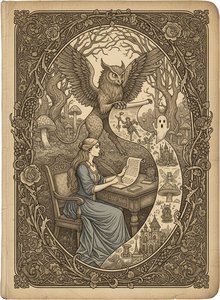
L'ascesa di Robida all'interno della vibrante scena artistica parigina fu alimentata dalla sua straordinaria capacità di catturare il battito del cambiamento sociale. Iniziando il suo percorso professionale nel 1866 con il Journal Amusant, si distinse rapidamente grazie a un occhio acuto e osservatore per la caricatura. Non si limitava a ritrarre le persone; disegnava lo spirito stesso di un'epoca sospesa tra tradizione e progresso. Come cofondatore e redattore della rivista satirica La Caricature, utilizzò le sue illustrazioni sia come specchio che come arma, offrendo commenti pungenti sui mutamenti politici e sulle crescenti ansie di una società che affrontava un rapido avanzamento tecnologico. Il suo lavoro in questo periodo fu caratterizzato da un livello straordinario di dettaglio, utilizzando intricate tecniche di tratteggio che conferivano alle sue composizioni una qualità tattile e vibrante.
Una Trilogia del Domani: L'Architettura dell'Immaginazione
Sebbene i suoi schizzi satirici gli abbiano garantito la fama contemporanea, fu la profonda trilogia letteraria e visiva di Robida — che comprende opere come Le Vingtième Siècle — a consolidare il suo posto nel pantheon dei creatori visionari. In queste opere, Robida andò ben oltre i modelli dei suoi predecessori come Gustave Doré o Honoré Daumier. Costruì un' "esposizione pantomimica" del futuro, dove l'aria stessa sembrava vibrare del ronzio di nuove invenzioni. Le sue illustrazioni per queste narrazioni non erano semplici accompagnamenti al testo, ma componenti essenziali di una mitologia più ampia e coesa. Egli immaginò un mondo di aerostati, comunicazioni telefoniche e meraviglie meccanizzate, infondendo spesso questi prodigi tecnologici un senso di quotidiana normalità che rendeva le sue previsioni inquietantemente plausibili.
La maestria tecnica che Robida portò nei suoi paesaggi speculativi fu niente di meno che straordinaria. Il suo processo comprendeva:
- Un Disegno Meticoloso: Un impegno verso l'accuratezza anatomica e architettonica che radicava anche le sue invenzioni più assurde in una realtà riconoscibile.
- La Tecnica del Tratteggio: L'uso di linee fini e ritmiche per creare profondità, consistenza e l'illusione di una luce che filtra attraverso un'atmosfera elettrificata.
- Stratificazione Narrativa: La capacità di inserire sottili critiche sociali all'interno di scene fantastiche su larga scala, rendendo ogni stampa un denso arazzo di significati.
L'Eredità e gli Echi del Futuro
Con l'alba del XX secolo, l'influenza di Robida iniziò a propagarsi attraverso il nascente genere della fantascienza. La sua capacità di fondere la distopia con la satira gli permise di esplorare il lato oscuro del progresso — il potenziale per la guerra meccanizzata e la frammentazione sociale — senza mai perdere il senso di incantevole meraviglia che definiva la sua estetica. Anche quando la sua fama principale declinò dopo la devastazione della Prima Guerra Mondiale, il suo impatto rimase impresso nel DNA dello storytelling visivo. Egli aprì la strada ai futuri illustratori che avrebbero cercato di visualizzare l'impossibile, fungendo da legame vitale tra il passato romanticizzato e il futuro tecnologico.
Oggi guardiamo a Robida non solo come a un cronista del suo tempo, ma come a un architetto della nostra immaginazione collettiva. La sua opera rimane una testimonianza del potere dell'arte di trascendere la propria epoca, ricordandoci che il modo più profondo per comprendere il nostro presente è osare sognare ciò che giace oltre l'orizzonte. Attraverso le sue incisioni e i suoi romanzi, Albert Robida continua a invitarci in un mondo dove i confini tra realtà e fantasia sono perpetuamente sfumati dalla luce dell'ingegno umano.