Il Cronista dello Splendore del XVII Secolo
Abraham Bosse si erge come una figura cardine dell'arte barocca francese, celebrato principalmente per le sue rivoluzionarie acqueforti che hanno saputo catturare il vibrante arazzo della Parigi del Seicento e dei suoi circoli aristocratici. Nato da genitori ugonotti a Tours, in Francia—una città segnata dai conflitti religiosi—gli anni formativi di Bosse gli infondarono un profondo apprezzamento per il dettaglio e l'osservazione, qualità che avrebbero definito la sua visione artistica nel corso di una carriera prolificissima. Suo padre era un sarto, e questo gli trasmise una precoce comprensione dell'artigianato e della resa meticolosa, abilità che avrebbe successivamente trasposto nell'esatta precisione delle sue stampe.
La traiettoria della sua vita prese una svolta decisiva quando si spinse verso orizzonti più ampi, intraprendendo un apprendistato formale con Melchior Tavernier, incisore ed editore nato ad Anversa, intorno al 1620. Questa collaborazione si rivelò fondamentale per stabilire la sua reputazione come uno dei più importanti incisori dell'epoca. L'influenza di Tavernier andò ben oltre la semplice guida tecnica; egli alimentò la nascente fascinazione di Bosse per l'innovazione artistica e lo incoraggiò a esplorare soggetti diversificati. Le prime acqueforti, in particolare quelle prodotte sotto il patrocinio di Tavernier, dimostrarono una sensibilità stilistica embrionale radicata nelle tradizioni artistiche olandesi e fiamminghe—una scelta deliberata che onorava i precedenti consolidati iniettandovi, al contempo, sottili sfumature distintamente francesi.
Maestria Tecnica e l'Influenza di Callot
Un incontro cruciale con Jacques Callot a Parigi, intorno al 1630, alterò irrevocabilmente il percorso artistico di Bosse. Le tecniche rivoluzionarie di incisione di Callot—caratterizzate da un livello straordinario di dettaglio materico e da una magistrale manipolazione delle gradazioni tonali—diventarono un'immediata ispirazione per Bosse, che adottò con entusiasmo tali innovazioni. Questo abbraccio dell'approccio callottiano diede vita a stampe dotate di un realismo senza pari, permettendo a Bosse di rendere le delicate trame del pizzo, la lucentezza della seta e le complesse prospettive architettoniche degli interni parigini con una chiarezza mozzafiato.
L'opera di Bosse spesso trascendeva la semplice documentazione, entrando nel regno del commento sociale e della profondità allegorica. La sua capacità di intrecciare il quotidiano con il magnifico è evidente in diversi temi chiave della sua produzione:
- L'Eleganza del Rituale Sociale: Attraverso opere come Società Musicale (1635), egli catturò i vivaci e sofisticati incontri dell'élite parigina, documentando l'etichetta sociale e la cultura musicale dell'epoca.
- Allegorie Sensoriali: In capolavori come I Cinque Sensi: L'Udito (1635), Bosse utilizzò la sua perizia tecnica per esplorare la percezione umana, fondendo scene di musicisti e dramma storico in un'unica, evocativa composizione.
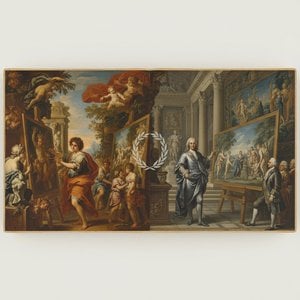
- Grandezza Narrativa: Le sue incisioni, tra cui Rugero che mostra una galleria di dipinti a diversi cardinali (1656), dimostrarono la sua capacità di narrazione drammatica, utilizzando dettagli intricati per ritrarre figure bibliche in mezzo alle intrigo di corte.
Eredità e Significato Storico
Al di là della lastra di rame, l'impatto di Bosse sul mondo dell'arte fu istituzionale e duraturo. In quanto membro fondatore dell'Académie Royale, contribuì a plasmare gli standard formali dell'arte francese, assicurando che la precisione e il rigore osservativo da lui sostenuti diventassero tratti distintivi dello stile nazionale. La sua meticolosa attenzione alla moda e al design d'interni ha reso il suo lavoro una fonte primaria inestimabile per gli storici che cercano di comprendere la cultura materiale del XVII secolo.
L'influenza della combinazione unica di realismo e innovazione tecnica di Bosse si estese ben oltre i confini della Francia, raggiungendo maestri successivi come William Hogarth. Colmando il divario tra le meticolose tradizioni dell'Europa settentrionale e la crescente grandezza del Barocco francese, Abraham Bosse creò un linguaggio visivo che rimane affascinante oggi tanto quanto lo era durante il regno di Luigi XIV. La sua eredità vive in ogni fine linea delle sue acqueforti, che continuano a infondere vita nel mondo scomparso della vecchia Parigi.
Domande e risposte
Come posso seguire l'evoluzione dell'opera di Abraham Bosse anno dopo anno?
La pagina Cronologia opere dell'artista presenta le opere di Abraham Bosse ordinate per data, anno dopo anno.
In quale città e in quale paese è nato/a Abraham Bosse?
Abraham Bosse è nato a Tours, in Francia.
Dove si trovano le opere di Abraham Bosse raggruppate per parole chiave?
La pagina Per parole chiave di Abraham Bosse raggruppa le opere dell'artista in base alle loro parole chiave.