The Historical Canvas: Wall Decor from Ancient Frescoes to Victorian Papers Wikipedia: Interior design Interior design is the art and science of enhancing the interior of a building to achieve a healthier and more aesthetically pleasing environment f...
The walls of a well-conceived space do more than delineate boundaries; they establish the fundamental atmosphere of an interior. For the designer managing large-scale hospitality projects, the surface is the primary medium through which volume and intent are communicated. When we consider the perimeter of a room, we are looking at the first opportunity to anchor a brand's identity or a hotel’s aesthetic narrative. This goes beyond mere color selection; it involves the strategic use of decorative painting to transform flat planes into architectural features that command attention.
This modern pursuit of surface transformation finds its roots in the earliest human impulses to adorn our surroundings. Long before furniture defined a room, cave paintings utilized ochre and charcoal to turn stone enclosures into narrative spaces. In the Roman era, the frescoes of Pompeii demonstrated a sophisticated understanding of how painted gardens and mythological scenes could expand the perceived dimensions of a domestic interior. Today, we continue this tradition by using advanced techniques like simulated stone or wood graining to provide a sense of permanence and luxury that standard finishes cannot achieve.
The Science of Longevity: Lessons from the Fresco Tradition
Fresco (pl. frescos or frescoes) is a technique of mural painting executed upon freshly laid ("wet") lime plaster. Water is used as the vehicle for the dry-powder pigment to merge with the plaster, and with the setting of the plaster, the painting be...
Durability is the silent requirement of any high-traffic hospitality environment. A design must withstand the rigors of guest movement while maintaining its visual integrity. The technical mastery required for such endurance is best observed in the ancient technique of buon fresco. This process involves applying pigments to freshly laid, wet lime plaster, known as the intonaco. Through a chemical reaction called carbonatation, the pigment becomes an integral part of the wall itself rather than a layer sitting upon it.
The precision required for this method mirrors the logistical rigor needed in modern large-scale installations. In buon fresco, the artist works within the constraints of a giornata, or a day's work, because the window of opportunity closes as the plaster dries. This necessity for speed and accuracy finds a parallel in contemporary mural commissions, where timing, material science, and environmental conditions must be meticulously managed to ensure the artwork survives decades of use. When we look at the works of masters like Michelangelo or Raphael, we see how this technical discipline creates an enduring bond between art and architecture that resists the passage of time.
Modern Geometric Relief Wall Art – A Celebration of Texture and Color This striking piece embodies the elegance of minimalist design infused with tactile richness. Crafted from sustainably sourced MDF (Medium Density Fiberboard) and adorned with acry...
A truly immersive space engages more than just the eyes; it invites a tactile connection. In luxury design, the interplay of light and shadow across a textured surface can alter the perceived temperature and mood of a room. Whether through the subtle grain of wood-grained finishes or the raised relief of modern geometric paintings, texture provides a sense of depth that flat surfaces lack. This tactile richness is essential for creating "moments" within a larger floor plan, such as a feature wall in a lobby or a textured ceiling in a private dining suite.
This focus on physical dimension echoes the meticulousness found in the Gongbi technique of Chinese painting. In this tradition, artists use highly detailed brushstrokes to create figures and landscapes with incredible precision, often on silk or paper. The emphasis is on a level of detail that rewards close inspection, much like how a well-executed trompe l'oeil or a complex stencil design rewards a guest who lingers in a space. By introducing varied textures, designers can guide the eye and create a sense of discovery throughout a property.
Structured Ornamentation: Precision in Large-Scale Patterning
Victorian decorative arts are the style of decorative arts during the Victorian era. Victorian design is widely viewed as having indulged in a grand excess of ornament. The Victorian era is known for its interpretation and eclectic revival of histori...
The challenge of designing for scale lies in maintaining order amidst complexity. In large hospitality spaces, repetitive patterns must be executed with such precision that they appear seamless across vast expansional planes. This requires a disciplined approach to geometry and symmetry. Whether employing complex stenciling or the structured grids of modern abstract relief, the goal is to create a sense of rhythm that complements the architectural lines of the building rather than competing with them.
We see this balance between ornament and structure in the Victorian era, where design was characterized by an eclectic revival of historic styles. Victorian interiors often utilized a tripartite wall arrangement—comprising a dado, a field, and a frieze—to organize large vertical surfaces. This structured approach to decoration allowed for grand ornamentation that felt organized rather than chaotic. Modern designers utilize similar principles when integrating bespoke patterns into contemporary hotel corridors or ballrooms, ensuring that even the most intricate designs contribute to a cohesive architectural whole.
Visual Anchors: The Power of Muralism in Commercial Identity
A Sanctuary of American Heritage: The Soul of the Interior Nestled within the monumental Stewart Lee Udall Main Interior Building in Washington, D.C., the U.S. Department of the Interior Museum stands as a singular testament to both artistic expressi...
A mural serves as a powerful visual anchor, providing a focal point that can define the entire character of a room. In commercial design, a bespoke mural is not merely decoration; it is a tool for storytelling and brand reinforcement. A large-scale work can communicate themes of local heritage, luxury, or innovation, leaving a lasting impression on every guest who enters the space. These works transform empty walls into narrative landscapes that differentiate a property from its competitors.
This use of murals as a vehicle for identity was profoundly realized during the New Deal era in the United States. In the U.S. Department of the Interior Museum, monumental canvases created by artists such as John Steuart Curry and Millard Sheets embody themes of labor and national resilience. These works were not secondary to the architecture; they were essential components of a larger cultural narrative. Today, we continue this legacy by commissioning custom murals that allow hospitality brands to embed their unique history and values directly into the fabric of their physical environments.
At WahooArt.com, we specialize in bringing these grand visions to life through our professional services for interior designers and B2B clients. From large-format murals painted on massive canvas rolls to bespoke oil reproductions tailored to your specific color palette, we provide the artistry and global logistics necessary for high-end architectural projects. Whether you require a single focal point or a series of multi-panel works for a grand staircase, our team ensures that every brushstroke meets the highest standards of excellence.
Maestro della decorazione grottesca e dello stucco rinascimentale, Giovanni da Udine ha rivitalizzato l'antichità classica con i suoi iconici affreschi a Villa Madama e in Vaticano, invitandoti a …
Elevate hospitality design with bespoke, large-scale art. Discover how custom hand-painted murals, ceiling frescoes, and multi-panel masterpieces transform hotel interiors into immersive brand experiences through architectural artistry and technical excellence.
Scopri come l'arte astratta minimalista eleva il design d'interni di lusso. Esplora la curatela di capolavori geometrici e l'uso strategico dell'astrazione per trasformare spazi esclusivi in esperienze estetiche senza tempo.



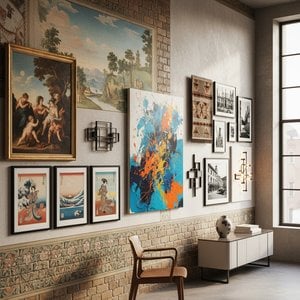 Transforming Spaces: A Comprehensive Exploration of Wall Decor Through Art History & Contemporary Practice
 Fresco
 Elegant Abstract Relief Wall Art - Handmade MDF Wooden Decorative Painting | Modern Geometric Canvas Print for Living Room Bedroom Home Decor
 Victorian decorative arts
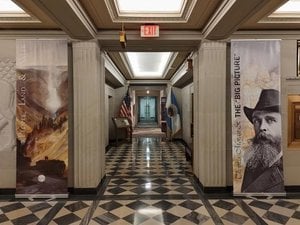 U.S. Department of the Interior Museum


