


x


 Acquista stampa Acquista download
 Invia
Invia
 Details
 Aggiungi ai preferiti
 Scarica
 Simili
 X-Ray
X-Ray
 Slideshow
 Acrylic On CanvasWallArtVictorian Genre Painting
 13.0 x 12.0 cm
 National Trust
Olio su tela dipinto a mano nelle tue dimensioni e con la tua cornice, realizzato su ordinazione dai nostri artisti.





























Scegli tra le nostre dimensioni predefinite, che rispettano le proporzioni originali dell'opera d'arte.

È possibile inserire dimensioni personalizzate per adattare l'opera a una cornice o a uno spazio specifico. Se la dimensione selezionata non corrisponde alle proporzioni dell'immagine originale, provvederemo a ritagliare l'opera o a estendere il dipinto con elementi aggiuntivi dipinti a mano. Un mockup digitale ti sarà inviato per approvazione prima dell'inizio della produzione.
Si prega di notare che l'anteprima a schermo non riflette il ritaglio o l'estensione effettivi. Solo il mockup mostrerà accuratamente la composizione finale.
Sebbene siano disponibili dimensioni personalizzate, consigliamo di selezionare una dimensione dall'elenco predefinito per preservare le proporzioni originali.
Consegna in tutto il mondo () in 3/4 settimane anziché nelle normali 5 settimane. (1 Luglio). Nessun compromesso sulla qualità.


Boys Playing Marbles
Dimensioni riproduzione
Sir David Wilkie’s “Boys Playing Marbles,” painted circa 1822, isn’t merely a depiction of children engaged in a simple pastime; it’s a poignant distillation of innocence, camaraderie, and the fleeting beauty of youth. This remarkable work, now housed at the National Trust's Anglesey Abbey, transports the viewer to a sun-drenched courtyard, brimming with an atmosphere of unburdened delight. Wilkie, a pivotal figure in Victorian genre painting, masterfully captures not just the visual details but also the very essence of childhood’s carefree spirit – a quality that has resonated deeply with audiences for over two centuries.
The scene unfolds with remarkable immediacy. Three boys dominate the composition, their postures and expressions radiating genuine engagement. One boy, kneeling on the ground, appears to be meticulously arranging marbles, his brow furrowed in concentration; another stands nearby, a playful glint in his eye, while a third leans in, likely offering advice or encouragement. Wilkie’s skill lies not just in rendering these individual figures with meticulous detail – note the varying textures of their clothing and the subtle shifts in light across their faces – but also in conveying the dynamic interplay between them. The loose brushstrokes and vibrant palette contribute to a sense of movement and spontaneity, as if we've stumbled upon a private moment frozen in time.
“Boys Playing Marbles” is deeply rooted within its historical context – the early 19th century in England. The game itself, marbles, was a remarkably popular pastime for children of all social classes, offering an affordable and engaging form of entertainment. Wilkie’s choice to depict this commonplace activity elevates it into something far more significant. It speaks to the values of community, competition, and simple pleasures that were increasingly valued during a period of rapid social change. The courtyard setting, though seemingly idyllic, subtly hints at the burgeoning urban landscape of the time – a space where rural traditions and youthful exuberance could momentarily coexist.
Furthermore, Wilkie’s work reflects the broader trends within Victorian art. He was part of a movement that sought to portray everyday life with honesty and empathy, moving away from the grand historical narratives favored by earlier generations. His focus on ordinary subjects – children at play, working-class individuals – offered a refreshing perspective and contributed to a growing appreciation for the beauty and dignity of the commonplace.
Wilkie's distinctive style is immediately recognizable. He employed a technique known as “narrative detail,” meticulously rendering every element of the scene – from the worn cobblestones beneath the boys’ feet to the folds in their clothing – with painstaking accuracy. This commitment to realism was balanced by an expressive use of light and shadow, creating a sense of depth and atmosphere. The painting is executed in oil on panel, a medium that allowed Wilkie to achieve both luminous colors and subtle tonal variations.
The composition itself is carefully constructed, drawing the viewer’s eye through the scene with a series of diagonal lines and converging perspectives. The use of warm, earthy tones – ochres, browns, and yellows – creates a sense of warmth and intimacy, while touches of brighter colors – blues and greens – add vibrancy to the scene. Wilkie's ability to capture the fleeting expressions on the boys’ faces is particularly noteworthy, conveying their joy, concentration, and camaraderie with remarkable subtlety.
Beyond its technical brilliance, “Boys Playing Marbles” resonates deeply due to its inherent symbolism. The game of marbles represents more than just a children's pastime; it symbolizes the development of social skills, strategic thinking, and the joys of shared experience. The boys’ interaction suggests a sense of community and friendship – values that were increasingly valued during a period of rapid industrialization and urbanization.
Ultimately, Wilkie’s masterpiece is a celebration of childhood innocence and the simple pleasures of life. It invites us to pause, reflect on our own memories of youth, and appreciate the enduring power of human connection. The painting's continued appeal lies in its ability to evoke a sense of nostalgia and remind us of the timeless beauty of ordinary moments.


1785 - 1841 , Scozia

Explore the captivating world of Victorian Realism! Discover genre painting's rise, social commentary in art, & masters like Fedotov and Wilkie. Expert analysis & high-quality reproductions at WahooArt.
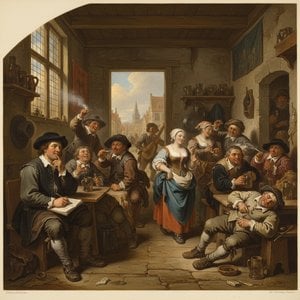
Esplora la vita e l'opera di David Teniers il Giovane, maestro della pittura fiamminga barocca. Analisi approfondita dei suoi temi, stile unico e ruolo come pittore di corte. Scopri l'eredità di questo genio dell'arte.

Explore the captivating world of William Collins (1788-1847), a celebrated Victorian painter known for his charming genre scenes and poignant social commentary. Discover his artistic journey, influences, and lasting legacy with WahooArt.

Esplora i 10 dipinti più iconici dominati dal nero avorio! Da Rembrandt a Goya, scopri la storia, le tecniche e l'impatto di capolavori senza tempo. Trova riproduzioni d'arte di alta qualità per decorare casa con .

Esplora l'opera di William Powell Frith e il realismo pittorico vittoriano. Analisi approfondita dei suoi dipinti, temi sociali e tecnica artistica. Scopri la sua influenza sulla storia dell'arte.


Rimani aggiornato sulle ultime novità dell'arte, sulle offerte esclusive e sulle idee di decorazione.
Raccontaci del tuo progetto e i nostri esperti d'arte ti proporranno 3 suggerimenti artistici personalizzati.
Lascia che ci pensiamo noi: 3 opzioni su misura per te – Gratis!
 Condividi








 Scopri di più
 L'opzione vetro è disponibile solo per dimensioni inferiori a 110 cm


