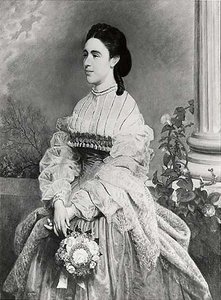
Biografia dell'artista
Jean-Louis André Théodore Géricault (1791 - 1824): A Titan of Romantic Emotion
Jean-Louis André Théodore Géricault, born September 26, 1791, in Rouen, France, stands as a monumental figure within the annals of French Romantic art. His life was tragically curtailed by illness at just thirty-two, yet his artistic legacy endured—a testament to his unwavering dedication to capturing the turbulent currents of human experience and forging an indelible mark on the visual landscape of his era. From humble beginnings in a family steeped in legal tradition and tobacco commerce, Géricault’s trajectory toward artistic greatness was guided by an innate talent recognized early on by Jean-Louis Laneuville, a fellow artist who fostered his burgeoning creative spirit.
Laneuville's mentorship proved invaluable, introducing Géricault to the vibrant world of Parisian art circles and establishing connections that would shape his formative years. Crucially, it placed him within the orbit of Pierre Laurent, an engraver whose workshop provided access to the groundbreaking artistic innovations unfolding at the Musée Central des Arts à Paris—a crucible for shaping tastes and perspectives during Napoleon’s reign. This exposure to the burgeoning neoclassical movement instilled in Géricault a profound appreciation for classical form and technique, though he swiftly rejected its rigid conventions, recognizing their inadequacy for conveying the complexities of human emotion.
## Early Training & Influences: Vernet and Guérin – Seeds of Romantic Vision
Géricault’s artistic education commenced under the tutelage of Carle Vernet, a celebrated exponent of English sporting art—a genre characterized by dynamic compositions and meticulous observation of animal movement. Vernet's influence instilled in Géricault a fascination with capturing immediacy and conveying powerful sensations—traits that would become hallmarks of his distinctive style. Simultaneously, he studied under Pierre-Narcisse Guérin, a staunch classical artist who championed the virtues of restraint and intellectual rigor. Despite their contrasting approaches, Guérin recognized Géricault’s exceptional talent and encouraged him to hone his skills in mastering classical figure construction, shaping his artistic sensibility for years to come.
This dual influence—Vernet's energetic dynamism alongside Guérin's disciplined precision—established a bedrock of stylistic considerations that would inform Géricault’s subsequent endeavors. Notably, Eugène Delacroix, a fellow student and lifelong friend, absorbed profoundly from Géricault’s example, recognizing in his work a pivotal catalyst for the Romantic movement’s ascendance. Delacroix's own artistic explorations mirrored Géricault’s embrace of dramatic emotion and expressive gesture—a testament to the enduring impact of Géricault’s pioneering vision.
## The Musée Français & Artistic Innovation: Embracing Contemporaneity
The Musée Français, founded by Robillard de Peronville and Pierre Laurent in 1802, served as an incubator for artistic experimentation during Napoleon's reign—a period marked by a fervent desire to revitalize French culture after the upheavals of the Revolution. Géricault’s family connections to this institution ensured that he benefited from unparalleled access to the latest artistic developments and fostered a deep engagement with the intellectual currents shaping his time. This immersion in the Musée Français's ambitious program—aimed at showcasing the finest artworks of Europe—fueled his conviction that art should grapple with pressing social issues and reflect the realities of contemporary life.
## “The Raft of the Medusa”: A Triumph of Dramatic Emotion & Historical Truth
Géricault’s magnum opus, *The Raft of the Medusa* (1818-1819), epitomizes his artistic philosophy—a daring fusion of realism and emotional intensity that irrevocably altered the course of French painting. Inspired by the harrowing tale of the shipwreck of the French frigate Méduse in 1816, where negligence and incompetence resulted in unimaginable suffering for its passengers, Géricault undertook exhaustive research—interviewing survivors, studying corpses at hospitals, and constructing a meticulously crafted scale model of the raft itself—to ensure unparalleled accuracy and visceral impact. The painting transcends mere historical depiction; it confronts viewers with the raw horror of human desperation and embodies the Romantic preoccupation with confronting uncomfortable truths.
The composition—constructed around two pyramidal structures representing despair and hope—creates a dynamic tension that compels the eye across the canvas, mirroring the turbulent emotions at play within the scene. Géricault’s masterful use of chiaroscuro—the dramatic interplay of light and shadow—further amplifies the painting's emotional power, immersing viewers in the grim realities of survival amidst catastrophe. *The Raft of the Medusa* provoked considerable controversy upon its exhibition at the Salon of 1819, sparking heated debate about governmental responsibility and cementing Géricault’s reputation as a fearless innovator who challenged artistic conventions and championed human compassion.
## Beyond Tragedy: Military Themes & Artistic Legacy
Géricault continued to explore military themes throughout his career—evident in works like *Wounded Cuirassier* (1814) and *The Derby of Epsom* (1821)—demonstrating a sustained fascination with capturing the psychological toll of conflict. These paintings showcase Géricault’s unwavering commitment to portraying human emotion under duress, often focusing on physical vulnerability and moral fortitude. Furthermore, he ventured into portraiture and lithography—expanding his artistic repertoire and disseminating his vision beyond the confines of the Salon circuit. Tragically, Géricault succumbed to illness in 1824 at the young age of thirty-two—leaving behind a legacy that continues to inspire artists today. His bronze figure reclines on his tomb at Père Lachaise Cemetery—a poignant reminder of an artist who dedicated his life to confronting profound human suffering and forging an indelible mark upon the history of French Romanticism.