CONSULENZA D'ARTE GRATUITA

x
Acquista stampa Acquista stampaAcquista download Acquista download InviaInvia
DetailsDetails Aggiungi ai preferiti Aggiungi ai preferiti ScaricaScarica SimiliSimili X-RayX-Ray SlideshowSlideshow

Bathsheba at the Bath

Delve into Guercino's dramatic Baroque masterpiece, 'Bathsheba at the Bath,' depicting biblical storytelling with masterful chiaroscuro and evocative detail – a timeless exploration of faith and emotion.

Scopri Guercino (Giovanni Francesco Barbieri), maestro del Barocco italiano! Opere intense, chiaroscuro drammatico e scene bibliche come 'Ritorno del Figliol Prodigo'. Un'influenza duratura sull'arte!

Riproduzione a olio fatta a mano

Olio su tela dipinto a mano nelle tue dimensioni e con la tua cornice, realizzato su ordinazione dai nostri artisti.


P118B $10
P118H $10
P118W $10
P438Z $10
P508JH $12
P508YH $12
P805H $10
P805Z $10
P919BZ $10
P919G $10
P919XJ $10
P959ZH $10
P968JZ $12
W106C $8
W218G $10
W218JH $8
W218Y $10
W307PJ $10
W316G $10
W316PJ $8
W316Y $10
W398PJ $8
W4111J $10
W500HY $15
W500JH $15
W692G $12
W849H $8
W940BG $15
W953PJ $8

Standard
custom
CM
INCH

Scegli tra le nostre dimensioni predefinite, che rispettano le proporzioni originali dell'opera d'arte.

larghezza
altezza

È possibile inserire dimensioni personalizzate per adattare l'opera a una cornice o a uno spazio specifico. Se la dimensione selezionata non corrisponde alle proporzioni dell'immagine originale, provvederemo a ritagliare l'opera o a estendere il dipinto con elementi aggiuntivi dipinti a mano. Un mockup digitale ti sarà inviato per approvazione prima dell'inizio della produzione.
Si prega di notare che l'anteprima a schermo non riflette il ritaglio o l'estensione effettivi. Solo il mockup mostrerà accuratamente la composizione finale.
Sebbene siano disponibili dimensioni personalizzate, consigliamo di selezionare una dimensione dall'elenco predefinito per preservare le proporzioni originali.

Esempi di modifiche possibili: sostituire il volto con una foto del cliente; aggiungere un animale domestico (ad esempio, sostituire un gatto con un cane); inserire un messaggio nascosto sullo sfondo; modificare il paesaggio o gli elementi dello sfondo.
Dopo l'ordine, il team di WahooArt.com invierà un'e-mail al cliente per le istruzioni e fornirà un'anteprima del mockup

Consegna in tutto il mondo () in 3/4 settimane anziché nelle normali 5 settimane. (1 Luglio). Nessun compromesso sulla qualità.

why_choose_icon
Spedizione espressa gratuita in tutto il mondo
why_choose_icon
Tela in lino di alta qualità
why_choose_icon
Assicurazione completa sulla spedizione
why_choose_icon
Garanzia di rimborso dei dazi doganali
why_choose_icon
Garanzia di fedeltà cromatica
why_choose_icon
Politica di reso entro 60 giorni (solo per difetti)
why_choose_icon
Garanzia di rimborso al 100%
why_choose_icon
Sconto per acquisti multipli

Prezzo totale

-

reproduction

Bathsheba at the Bath

Tecnica di riproduzione

Dimensioni riproduzione

-

Prezzo totale finale

-

Informazioni rapide

  • Title: Bathsheba at the Bath
  • Influences: Caravaggio
  • Year: 1640
  • Location: Private Collection
  • Dimensions: 22 x 32 cm
  • Movement: Baroque
  • Artist: Guercino

Descrizione dell'opera

A Vision Steeped in Shadow: Guercino’s ‘Bathsheba at the Bath’

Giovanni Francesco Barbieri, known universally as Il Guercino – “the squinter” – wasn't merely a painter; he was an architect of feeling. Born in Cento, Italy, in 1591, his artistic trajectory defied convention, prioritizing raw emotion and dramatic illumination over the polished idealism favored by many of his contemporaries. Unlike artists obsessed with replicating classical ideals, Guercino’s gaze turned inward, reflecting the turbulent spiritual landscape of Baroque Italy – a period defined by religious fervor and intellectual upheaval. His formative years under Ludovico Carracci instilled in him a foundational understanding of disegno, emphasizing observation and anatomical accuracy alongside expressive gesture. This dedication would become the hallmark of his distinctive style: an unsettling beauty born from profound darkness, punctuated by bursts of radiant light.
  • Subject Matter & Narrative
  • Style & Technique: Caravaggesque Influence
  • Historical Context: The Reformation’s Echoes
  • Symbolism: Light Versus Darkness – A Moral Allegory
  • Emotional Impact: Capturing Vulnerability and Resilience

Subject Matter & Narrative

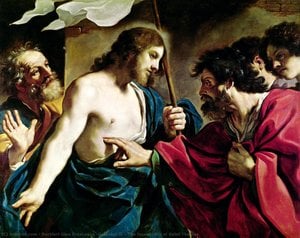
Guercino’s ‘Bathsheba at the Bath,’ completed around 1636-37, depicts a pivotal biblical scene – David’s clandestine observation of Bathsheba bathing. The composition isn't merely a recounting of events; it’s an exploration of psychological drama. Three figures dominate the canvas: Bathsheba herself, her infant son, and David, positioned behind her, gazing intently at the woman. This deliberate arrangement underscores the tension between desire and piety, vulnerability and power. Guercino eschewed idealized representations, favoring a realism that captured the palpable discomfort and apprehension of the moment. The artist’s meticulous attention to detail—the folds of Bathsheba's robe, David’s furrowed brow—serves not just as visual accuracy but as conduit for conveying profound emotional depth.

Style & Technique: Caravaggesque Influence

Guercino’s artistic vision owes a significant debt to Caravaggio, whose revolutionary use of chiaroscuro – dramatic contrasts between light and dark – profoundly impacted the Baroque aesthetic. Like Caravaggio, Guercino employed tenebrismo—a technique characterized by plunging darkness punctuated by pools of intense illumination—to heighten emotional impact and create an atmosphere of suspense. The subdued palette contributes to this effect, emphasizing the shadows that envelop the figures and amplifying their psychological vulnerability. Furthermore, Guercino’s brushwork is loose and expressive, eschewing smooth blending for textured surfaces that convey a sense of immediacy and spontaneity. This stylistic choice aligns perfectly with his intention: to portray not just what he saw but how he *felt*.

Historical Context: The Reformation’s Echoes

The painting emerged during the Protestant Reformation, a period marked by intense religious debate and artistic experimentation. Guercino's depiction of Bathsheba reflects the broader anxieties surrounding moral conduct and divine judgment prevalent in Catholic Italy. David’s gaze is not one of triumphant conquest but of tormented contemplation—a visual manifestation of the internal struggle between earthly desire and spiritual righteousness. The artist subtly communicates a moral allegory, suggesting that true piety demands vigilance against temptation and an unwavering commitment to ethical behavior.

Symbolism: Light Versus Darkness – A Moral Allegory

The interplay of light and darkness within ‘Bathsheba at the Bath’ operates on multiple symbolic levels. The radiant glow emanating from Bathsheba's son symbolizes purity and innocence, representing a beacon of hope amidst the encroaching shadows of sin. Conversely, David’s darkened visage embodies guilt and remorse—a visual representation of his transgression against God’s law. Guercino skillfully utilizes chiaroscuro to heighten dramatic tension and underscore the psychological complexities inherent in the narrative.

Emotional Impact: Capturing Vulnerability and Resilience

Ultimately, Guercino's masterpiece succeeds in conveying a powerful emotional resonance. The painting captures not merely the factual recounting of an illicit affair but its devastating consequences on human psyche—the palpable discomfort, apprehension, and moral anguish experienced by David. Through masterful composition and expressive brushwork, Guercino compels viewers to confront uncomfortable truths about human nature and the enduring struggle between passion and conscience. ‘Bathsheba at the Bath’ remains a testament to Guercino's ability to transform biblical narrative into an unforgettable exploration of human emotion—a timeless depiction of vulnerability and resilience illuminated by the unsettling beauty of Baroque art.

Opere simili


Biografia dell'artista

La Vita e la Formazione di Guercino

Giovanni Francesco Barbieri, meglio conosciuto come Il Guercino, nacque nel 1591 a Cento, vicino a Ferrara. La sua carriera artistica iniziò sotto la guida di Ludovico Carracci, un rinomato pittore bolognese. Questa formazione gettò le basi per il suo futuro successo.

Lo Stile Artistico e le Opere Principali

Lo stile di Guercino è caratterizzato da un'illuminazione drammatica, intense emozioni e una fusione di realismo e idealismo, tratti distintivi del periodo barocco. Tra le sue opere più significative troviamo:

Evoluzione Artistica e Influenze

Guercino iniziò la sua carriera con uno stile influenzato dai maestri ferraresi e bolognesi, come Scarsellino e Carlo Bononi. L’incontro con Ludovico Carracci fu fondamentale per la sua formazione. Successivamente, il suo lavoro subì una trasformazione significativa, abbandonando un approccio naturalistico per abbracciare un'idioma più classicista, influenzato da Guido Reni. Il periodo romano (1621-1622) segnò un punto di svolta nel suo stile, con l’adozione di una tavolozza più chiara e un maggiore equilibrio compositivo. Le critiche dei committenti portarono a modifiche successive nella sua tecnica, con un progressivo alleggerimento della palette e una riduzione dell'uso del chiaroscuro tenebroso.

Riconoscimenti e Musei

Le opere di Guercino sono esposte in numerosi musei prestigiosi, tra cui:

Eredità e Influenza

L'influenza di Guercino sulla pittura barocca è innegabile. Il suo uso drammatico della luce e dell'ombra, unito alla sua capacità di evocare potenti emozioni, ha ispirato generazioni di artisti. La sua abilità nel rappresentare scene religiose con intensità emotiva e realismo lo ha reso una figura chiave nell’arte italiana, e il suo lascito continua a essere celebrato attraverso le sue opere, ora parte delle collezioni museali più rinomate del mondo. Benedetto Gennari il Giovane fu tra i suoi allievi più importanti.
Guercino

Guercino

1591 - 1666 , Italia

Dati rapidi

  • Artistic Movement Or Style: Barocco
  • Artists Or Movements Influenced By This Artist: ['Benedetto Gennari II']
  • Artists Who Influenced This Artist: ['Ludovico Carracci']
  • Date Of Birth: 8 febbraio 1591
  • Date Of Death: 22 dicembre 1666
  • Full Name: Giovanni Francesco Barbieri
  • Nationality: Italiana
  • Notable Artworks:
    • Ammon e Tamar
    • Il ritorno del figliol prodigo
    • La vocazione di San Luigi Gonzaga
  • Place Of Birth (City And Country): Cento, Italia