Rococo painters, ranked

100 Famous Rococo Painters: The Definitive Ranking

The most famous Rococo painter is Jean-Antoine Watteau (1684–1721), known for A táncbál örömei and Pierrot, formerly known as Gilles. Next come Canaletto, Giovanni Battista Tiepolo, François Boucher and Jean-Honoré Fragonard. This ranking of the 100 most famous Rococo painters runs from François de Troy (born 1645) to Edouard Honoré Ave (born 1818), across 19 countries.

How this list is ranked. Artists whose works our catalogue files under Rococo, in the order of our fame ranking of artists. Artists without a Wikidata identifier born after 1955 are left out until verified. The Wikipedia figure next to each name is the number of our 32 languages in which Wikipedia has an article on the artist.

  1. A táncbál örömei by Jean-Antoine Watteau1Jean-Antoine Watteau
  2. The Stonemason's Yard by Canaletto2Canaletto
  3. The Immaculate Conception by Giovanni Battista Tiepolo3Giovanni Battista Tiepolo

The essentials

Rococo at a glance

  • 100Artists
  • 1645–1818Years of birth
  • 19Countries of birth
  • 5Women
  • 1Living artists
  • 11 037Works in our catalogue
Cities with most births
Párizs (13), Velence (9), Paris (4), Venice (4)
Museums holding the most key works
Hermitaeus-múzeum (14), Louvre Múzeum (13), Nationalmuseum (9), Museo del Prado (6)

Ranked, with their masterpieces

The ranking: 100 Rococo Painters and their key works

1of 100

Jean-Antoine Watteau

Francia Born in Valenciennes Rococo Wikipedia in 31/32 languages

Jean-Antoine Watteau

A Franciaország északi részén fekvő Valenciennes városában, 1684 októberének friss levegője hozta el Jean-Antoine Watteau-t, aki Jean-Philippe Watteau és Michelle Lardenois négy fiából a második volt.

Key works · The 100 most famous works

2of 100

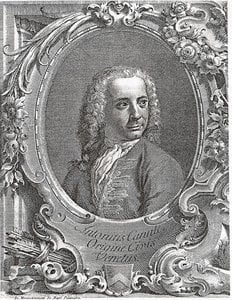
Canaletto

Olasz Born in Velence Veduta, topográfiai stílus Wikipedia in 30/32 languages

Canaletto

Giovanni Antonio Canal, akit a legtöbbki Canaletto néven ismer, 1697. október 18-án született Velencében, Olaszországban. Nem csupán azért tanulta meg a pincehuzat használatát, hogy egy tárgyat ábrázoljen, hanem azért is, hogy egy olyan világot építsen, amely fizikailag is jelennek tűnik a vásznon. 1718-ban Canaletto elhagyta Velencét, hogy Rómába költözzen. Ezeket a darabokat Alessandro Scarlatti, Tito Sempronio Greco és Turno Aricino zongnálták.

Teacher of Bernardo Bellotto #10

Key works · The 100 most famous works

3of 100

Giovanni Battista Tiepolo

Olasz Born in Velence Rokokó és Barokk Wikipedia in 30/32 languages

Giovanni Battista Tiepolo

Giovanni Battista Tiepolo (1696–1770) a kor egyik legnagyobb festője, vitathatatlan mestere a rokokó stílusnak és talán a XVIII. század legbefolyásosabb freskófestője. Tehetségének felismerése után Pellegrini ösztönözte Tiepolót Bolognai akadémiákon való tanulmányozásra, ahol Francesco Bartolomeo Rastrelli és Antonio Canaletto társaságában csiszolta képességeit, magába szívva a barokk nagyságosságának és a feltörekvő rokokó eleganciájának hatásait.

Key works · The 100 most famous works

4of 100

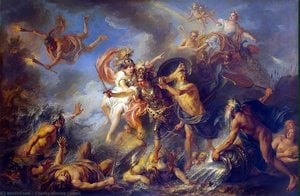
François Boucher

Francia Born in Párizs Rococo Wikipedia in 30/32 languages

François Boucher

Franciaország, a Franciaország vibráló utcáiban, a Paris forgalmában kezdődött a történet, amelyet 1703. szeptember 29-én François Boucher írt alá. A ambíció és a tehetség hamarosan egy hatalmas triumfuson keresztül egyesült. 1720-ban François Boucher egy olyan kitüntetést ért el, amely alapjaiban változtatta meg életútját: megnyerte a rangos Grand Prix de Rome-ot.

Pupil of François Lemoyne #24 · Teacher of Jean-Honoré Fragonard #5

Key works · The 100 most famous works

5of 100

Jean-Honoré Fragonard

Francia Born in Grasse Rokokó Wikipedia in 28/32 languages

Jean-Honoré Fragonard

Fragonard does not labor over minute details; instead, he employs a loose, painterly technique that prioritizes atmosphere and emotion over rigid precision. His late Rococo manner leans heavily into hedonism, using dappled light and soft, creamy tones to build worlds of intimacy and veiled desire.

Where to see The physical traces of Fragonard’s brushwork remain scattered across major global institutions.

Pupil of Jean-Baptiste-Siméon Chardin #6, François Boucher #4

Key works · The 100 most famous works

6of 100

Jean-Baptiste-Siméon Chardin

Francia Born in Párizs Naturalizmus Wikipedia in 27/32 languages

Jean-Baptiste-Siméon Chardin

Chardin’s presence in Paris was marked by a steady, quiet ascent through the city's artistic circles. For much of his career, he resided on the Left Bank near Saint-Sulpice, a location that anchored his life within the familiar rhythms of the neighborhood. By focusing on the tangible reality of a copper pot or a piece of fruit, he paved the way for the Realist movement, influencing painters like Gustave Courbet who sought to depict life without embellishment.

Where to see His presence is felt strongly in Paris, where the Musée du Louvre holds a significant portion of his output.

Teacher of Jean-Honoré Fragonard #5

Key works · The 100 most famous works

7of 100

Thomas Gainsborough

Brit Born in Sudbury Rococo, Romantika Wikipedia in 29/32 languages

Thomas Gainsborough

Az Egyesült Királyság nyugodt vásárvárosában, Sudburyban kezdődött a története Thomas Gainsborough-nak, 1727. májusz 14-én. Ő volt John Gainsborough legfiatalabb fia, aki szövetesként és gyapubelக்ászkereskedőként kereste meg a megélhetését. Gyermekkori otthona ismerős környezetét elhagyva, Gainsborough 1748 után Ipswichbe költözött. Portrait of a Woman, Possibly of the Lloyd Family (kb. 1750).

Key works · The 100 most famous works

8of 100

Joshua Reynolds

brit Born in Plympton Grand Style Wikipedia in 31/32 languages

Joshua Reynolds

Amikor visszatért Angliába, már egy határozott vízióval rendelkezett arról, hogyan képes a brit művészet túlmutatni a puszta, egyszerű hasonlóságokon. Elindította a „Grand Style” (nagyszerű stílus) néven ismert módszert, amely a festészet olyan formája volt, amely a valóságot nem csupán rögzíti, hanem annak tökéletesítésére törekszik.

Key works · The 100 most famous works

9of 100

Jean-Baptiste Greuze

Francia Born in Tournus Rococo, Zsánerfestészet Wikipedia in 22/32 languages

Jean-Baptiste Greuze

Despite his burgeoning fame and critical acclaim, Greuze faced significant obstacles in achieving recognition within the established art world. He initially sought admission to the Académie Royale de Peinture et de Sculpture in Paris, hoping to be accepted as a history painter – the most prestigious category within the institution. The final years of Greuze’s life were characterized by financial hardship and increasing isolation.

Pupil of Charles-Joseph Natoire #30

Key works · The 100 most famous works

10of 100

Bernardo Bellotto

Olasz Born in Velence Veduta, városi táj, grafikus Wikipedia in 27/32 languages

Bernardo Bellotto

Bernardo Bellotto ecsetje megörökítette a városok egyedi fényét, megátalakítva a követ és a vizet maradandó feljegyzésekká. 1738-ban alkotta meg a Rio dei Mendicanti with the Scuola di San Marco (detail) című művét, amely már korai szakaszében bebizonyította képességét a velencei építészeti részletek bonyolult megfogásában.

Pupil of Canaletto #2

Key works · The 100 most famous works

11of 100

Francesco Guardi

Olasz Born in Velence *Veduta*, *Pittura di tocco* Wikipedia in 27/32 languages

Francesco Guardi

Francesco Lazzaro Guardi, született 1712. október 5-én Velencében, egy művészeti családban, nem csupán festő volt, hanem a Velencei Kori Szkolának utolsó nagy alakja is – egy olyan korszak dokumentumait és hangulatát ábrázolta, amely lassan elhalványulóban volt. A Guardi család műtermeként működő workshopja, amelyet fapapa, Domenico alapított, egy forrongó művészeti központ volt, ahol Francesco eleinte kollaborálva öccsével, Gian Antonio-val készített vallásos képeket.

Key works · The 100 most famous works

12of 100

Pietro Longhi

Italian Born in Velence Venetian painting, Rococo Wikipedia in 18/32 languages

Pietro Longhi

Antonio Balestra's mentorship proved invaluable, instilling in Longhi a mastery of Venetian painting traditions. Recognizing Longhi’s exceptional aptitude, Balestra recommended him to Giuseppe Maria Crespi, Bolognese artist who was highly regarded for both religious and genre painting.

Key works · The 100 most famous works

14of 100

Giovanni Battista Piazzetta

Olasz Born in Velence Rococo Wikipedia in 16/32 languages

Giovanni Battista Piazzetta

Giovanni Battista Piazzetta, ki Velencében született február 13-án, 1682 vagy 1683 körül – a korabeli feljegyzések kissé bizonytalanok – egy olyan városba született, amely mélyen gyökerezett a művészeti hagyományokban, ugyanakkak, hogy az ízlést finom változások kísérték. Útja azonban hamarosan a festészet felé fordult, és 1697-ben Antonio Molinarinál kezdte tanulmányait. Ez az alapozó időszak megtanította a technika alapjait, de Piazzetta bolognai tartózkodása 1703 és 1705 között bizonyult valóban meghatározónak.

Teacher of Johann Heinrich Tischbein #47

Key works · The 100 most famous works

15of 100

Nicolas Lancret

Born in Párizs Wikipedia in 16/32 languages

Nicolas Lancret

Párizsban született 1690 januárjában, és 1743 szeptemberében itt is hunyt el, élete során lenyomatot hagyva a Rokoko kor eleganciáján és játékosságán. Bár az életéről kevesebb információ maradt fenn, mint munkáiról, Lancret művészpályája egyértelműen Pierre d’Ulin tanítványaként kezdődött, majd Antoine Watteau lenyűgöző hatása alatt állt, tanulmányai során Jean-Baptiste Gillot mester irányítása alatt is fejlődve, aki maga is Watteau diákja volt.

Key works · The 100 most famous works

16of 100

Claude Joseph Vernet

Francia Born in Avignon Táj-, tengerfestészet Wikipedia in 26/32 languages

Claude Joseph Vernet

Claude-Joseph Vernet, aki 1714-ben Bordeauxban született, nem éppen a nagyszabású tájképek és drámai tengeri jelenetek felé fordult, amelyek végül meghatározták az örökségét. Vernet formális tanulmányai apja, Antoine Vernet, dekoratív festő, valamint Nicolas-Bernard Lépicié irányításával kezdődtek, megalapozva számára a szilárd tudományos hátteret, mielőtt elindult Európa művészi központjai felé: Róma felé. Claude Lorrain és Salvator Rosa mesterektől vette át a befolyásokat, sajátos látásmódjává ötvözve ezeket a megközelítéseket.

Key works · The 100 most famous works

17of 100

Rosalba Carriera

Olasz Born in Velence Rococo Wikipedia in 23/32 languages

Rosalba Carriera

Rosalba Carriera a 18. századi Velence vibráló művészeti környezéből emelkedett ki igazi innovátorként, legyőzve a társadalmi elvárásokat, és koravait egyik legünnepeltebb portréfestőjévé vált. 1675-ben született szerény körülmények közé – édesanyja tehetséges csipkeverő, apja pedig ügyvéd volt –, így Carriera útja a művészeti hírnév felé kezdetben szokatlanul alakult. Gyorsan tekintélyes ügyfeleket vonzott, köztük Bajorország Maximilian II. királyját, Dánia IV.

Teacher of Gustaf Lundberg #50

Key works · The 100 most famous works

18of 100

Jean-Marc Nattier

Francia Born in Párizs Rococo Wikipedia in 22/32 languages

Jean-Marc Nattier

The foundation for his technical skills was laid by his father, Marc Nattier, who instilled in him a love for portraiture and an understanding of fundamental painting techniques. Studying Rubens’ works at the Luxembourg Palace profoundly impacted Nattier’s style, inspiring him to incorporate elements of Baroque dynamism into his own Rococo aesthetic.

Teacher of Louis Tocqué #67

Key works · The 100 most famous works

19of 100

Quentin de La Tour

Francia Born in Saint-Quentin Rokoko Wikipedia in 23/32 languages

Quentin de La Tour

Meghalt: 1788. február 17., Saint-Quentin, Picardia, Francia Királyság. Maurice Quentin de La Tour egy zenészcsaládba született; apja, François de La Tour, a Maine herceg (Duc du Maine) udvari zenésze volt. Annak ellenére, hogy családja más utat tervezett számára, Maurice a festészet mellett döntött. 1724 körül Párizsba költözött, ahol megindította művészi pályáját.

Key works · The 100 most famous works

20of 100

Alexander Roslin

Svéd Born in Malmö Rokokó Wikipedia in 21/32 languages

Alexander Roslin

Kezdeti tanulmányait Lars Ehrenbill tengernagy irányítása alatt végezte, melyek alapvető készségeket biztosítottak számára, ám a Georg Engelhard Schröder stockholmi mesterhez való tanoncútja élezte ki igazán szenvedélyét és formálta esztétikai érzékenységét. Schröder bevezette Roslint a portréfestészet nagymestereibe, különösen Hyacinthe Rigaud és Nicolas de Largillière művészetébe, melyek hatása finoman szövődött saját egyedi stílusának szövetébe.

Key works · The 100 most famous works

21of 100

Johan Zoffany

Német Born in Frankfurt am Main Neoklasszicizmus, Realizmus Wikipedia in 15/32 languages

Johan Zoffany

In 1760, Zoffany embarked on a new chapter of his career by migrating to England. This painting, along with others such as The Cope Family (1775) and Colonel Mordaunt's Cock Match (1784-1786), established Zoffany’s reputation as the “master of conversation pieces” – an artist who had redefined the possibilities of portraiture. Johann Zoffany’s artistic legacy extends far beyond his individual masterpieces.

Key works · The 100 most famous works

22of 100

Louis Michel Van Loo

Francia Born in Toulon Rococo Wikipedia in 17/32 languages

Louis Michel Van Loo

Louis Michel Van Loo 1707. március 2-án született Toulonban, Franciaországban, egy igen tisztséges művészi dinasztia tagjaként. Már ebben a kezdeti szakaszban is kivételes tehetséget demonstratedált Van Loo, hiszen 1725-ben elnyerte a párizsi tekintélyes Académie Royale de Peinture et de Sculpture díját – ami apró bizonyítéka volt fejlődő képességeinek és ígéretes jövőjének. Louis Michel Van Loo művészeti pályája 1727-ben vette új irányt, amikor nagybátyjával, Charles-André van Loo-val együtt Rómába utazott.

Pupil of Jean-Baptiste van Loo #53

Key works · The 100 most famous works

23of 100

Jean-Étienne Liotard

Svájci Born in Genf Wikipedia in 20/32 languages

Jean-Étienne Liotard

Jean-Étienne Liotard, egy híres genevi festő, művészeti szakértő és kereskedő, 1702. december 22-én született Genévben, Svájcban. Liotard utazásai elvisették őt számos európai fővárosba, beleértve Párizsot, Rómat, Isztambulot és Viênet, ahol portréjai rendkívül keresettak. 1725-ben tanulmányait folytatta Jean-Baptiste Massé és François Lemoyne párizsban. Konstantinopológusban töltött ideje (1738-1742) jelentősen befolyásolta munkáját, ahogy látható számos pastel festményében a török háztartási jelenetekről.

Key works · The 100 most famous works

24of 100

François Lemoyne

Born in Párizs Wikipedia in 14/32 languages

François Lemoyne

François Lemoyne, akinek nevét talán nem olyan azonnal ismerik, mint kortársaiét, Boucheré vagy Watteaué, mégis jelentős helyet foglal el a 18. századi francia művészet szöveteiben. 1688-ban Párizsban született, Lemoyne egész életét annak szentelte, hogy visszaállítsa a nagyméretű allegorikus festészet fényét – egy olyan hagyományt, amely Charles Le Brun korában kissé elhalványult.

Teacher of Charles-Joseph Natoire #30, François Boucher #4

Key works · The 100 most famous works

25of 100

François de Troy

Born in Toulouse Wikipedia in 12/32 languages

François de Troy

Jean-François de Troy, 1645-ben Toulouse-ban született, a művészet iránti szenvedélyt örökítő családban nőtt fel. A fiatal Jean-François tanulmányai Claude Lefèbvre és Nicolas-Pierre Loir irányításával Párizsban zajlottak, ahol elsajátította a festészet alapjait, és megtanulta megragadni az emberi alakok fizikai hasonlóságán túlmenően a karakteres vonásokat is. A házassága Jeanne Cotelle-lel, Loir testvére-nővére, tovább erősítette pozícióját a párizsi művészeti életben.

Key works · The 100 most famous works

26of 100

Jean-Baptiste Pater

Francia Born in Valenciennes Rococo Pastel Paletta Wikipedia in 13/32 languages

Jean-Baptiste Pater

Jean-Baptiste Pater (December 29, 1695 – July 25, 1736) nem csupán egy festő volt, hanem a francia rokokó művészetének egyedülálló alakja – Antoine Watteau egyetlen dokumentált tanítása. Korai Tanulás és Hatások: Pater élete korai évei Antoine Pater irányítása alatt teltek, ahol elsajátította a szoborszerkesztés alapjait, mielőtt elindult volna az artistikus tanulmányai Jean-Baptiste Guide tanításai alatt.

Pupil of Jean-Antoine Watteau #1

Key works · The 100 most famous works

27of 100

Charles André van Loo

Francia Born in Nizza Rococo festmény Wikipedia in 16/32 languages

Charles André van Loo

Csalháttér: Louis-Abraham van Loo fia és Jean-Baptiste van Loo fiatalabb testvére. Kora tanulmányai: Első fokú képzés Torinóban, amelyet rózai tanulmányok követtek (1712), Benedetto Luti és Pierre Legros mesterek alatt. Párizsi tanulmányok: A Királyi Akadémián (Académie royale) vett részt, ahol 1723-ban első díjat nyert rajz témaiban, majd 1727-ben a történelmi festészet kategóriában is kitüntetve.

Pupil of Jean-Baptiste van Loo #53 · Teacher of Johann Heinrich Tischbein #47

Key works · The 100 most famous works

28of 100

Francesco Zuccarelli

Olasz Born in Pitigliano Rococo, Barokk Wikipedia in 15/32 languages

Francesco Zuccarelli

Giacomo Francesco Zuccarelli, aki elsősorban Francesco Zuccarelli néven ismert, az egyik legmeghatározóbb olasz művész volt, akit idilli tájképei és arkádiai jelenetei hoztak világhírűvé. 1702-ben született a toszkai Pitiglihoban, és a 18. század közepe alatt ő vált Velence legjelentősebb tájképészévé. Zuccarelli művészeti utazása Rómában kezdődött, ahol Giovanni Maria Morandi és Pietro Nelli tanítványaként sajátította magát el a festészet alapjainak, kezdeti szakaszban portréfestésre fókózva.

Key works · The 100 most famous works

29of 100

Jacopo Amigoni

Olasz Born in Nápoly Késő barokk és rokokó Wikipedia in 21/32 languages

Jacopo Amigoni

Amigoni Jacopo, aki körülbelül 1682-ben született Nápolyban, és 1752-ben máridi halálát incorna, a késő barokk és a korai rokokó művészeti világának kulcsfontosságú alakjaként áll mūsų előtt. Kb. 1717 körül kezdett dolgozni Bajorországban, kezdetben a nymphenburgi kastély udvarán, majd később, 1725 és 1729 között, a Schleissheim kastélyban nyert tekintélyes pozíciót.

Key works · The 100 most famous works

30of 100

Charles-Joseph Natoire

Francia Born in Nîmes Rococo Wikipedia in 15/32 languages

Charles-Joseph Natoire

Charles-Joseph Natoire (1700–1777) a késő barokk és a korai francia rokokó művészeti tájának kulcsfontosságú alakja volt, aki korszakának kifinomult érzetiséget testesítette meg. Legkiemelkedőbb teljesítménye a Psyche ábrázolására szolgáló festött sorozat maradt Germain Boffrand számára az Hôtel de Soubise oval szalonjában, Párizsban—egy monumentális vállalkozás, amely Natoire páratlan képességét mutatta be a klasszikus nagyság és a rokokó dinamizmus összeegyeztetésében.

Pupil of François Lemoyne #24 · Teacher of Jean-Baptiste Perronneau #65

Key works · The 100 most famous works

31of 100

Franz Anton Maulbertsch

Német/Ausztriai Born in Langenargen Rokoko, Barokk Wikipedia in 16/32 languages

Franz Anton Maulbertsch

Az idilli, tópartakkal körülvért Langenargen német városában, 1724-ben született Franz Anton Maulbertsch kulcsfontosságú alaknak emelkedett ki, aki a késő barokk drámai nagyságát és a fejlődő rokokó mozgás légies eleganciáját összekötötte. Azonban Maulbertsch művészi horizontjai jelentősen bővültek Giovanni Battista Pittoni és Piazzetta minten véneti mesterek által nyújtott tapasztalatokon keresztül. Rendkívül formáló tapasztalata volt találkozása Giambattista Tiepolo-val körülbelül 1750-ben Würzburgban.

Key works · The 100 most famous works

32of 100

Charles Antoine Coypel

Francia Born in Párizs Barokk Rococo Wikipedia in 11/32 languages

Charles Antoine Coypel

A francia művészettörténet fenséges szövetében kevés olyan alaktest, mint Charles Antoine Coypel, képes olyan kegyességgel megtestesíteni a nehézzű, monumentális barokk és a könnyed, elegáns rokokó közötti finom átmenetet. 1694-ben, Párizsban született egy művészi nemességbe, és már부터 látható volt benne a nagyság iránti sors. A híres Antoine Coypel fiaként és Noël Coypel unokjaként létezése alapvetően a Académie Royale hagyományai közé ágyazott.

Key works · The 100 most famous works

33of 100

Adélaïde Labille-Guiard

French Born in Paris Rococo to Neoclassicism Wikipedia in 20/32 languages

Adélaïde Labille-Guiard

Adélaïde Labille-Guiard (1749–1803) stands as a remarkable figure in the history of French art, not merely for her exquisite portraits but also for her courageous challenge to the restrictive conventions that governed women’s roles within the artistic world. She defied societal expectations, navigated institutional barriers, and ultimately paved the way for future generations of female painters.

Key works · The 100 most famous works

34of 100

Dmitrij Grigorjevics Levitszkij

Ukrán-orosz Born in Kijev Klasszikus portréfestészet Wikipedia in 16/32 languages

Dmitrij Grigorjevics Levitszkij

Dmitry Grigoryevich Levitsky, ki 1735-ben született Kijevon, egy olyan családból származott, amely mélyen gyökerezett az ukrán művészeti hagyományokban. Apja, Grigory Kirillovich Levitsky-Nos nem csupán pap volt, hanem tehetséges metsző és festő is, aki első iránytűként szolgált a fiatal Dmitry számára a vizuális kifejezés világában. Más mesterektől is felszívta a tudást, köztük Louis Lagrenéét a Szentpétervári Művészeti Akadémián, tovább finomítva technikáját.

Key works · The 100 most famous works

35of 100

Jean-Baptiste Pigalle

Born in Tournus

Jean-Baptiste Pigalle

Tournus városában született 1714-ben, Jean-Baptiste Pigalle kulcsfontosságú alakjává vált a pompázó barokk drámái és az újító klasszicizmus tisztánlátásának átmenetében. Képeit Lyonban csiszolta, majd Párizsba költözött, ahol elmerült az élő modellek tanulmányozásában a Királyi Akadémián – bár korai munkái nem arattak mindenki által elfogadott sikert, ez utal arra a független szellemre, amely meghatározta pályáját.

Key works · The 100 most famous works

36of 100

Anne Vallayer-Coster

Francia Born in Párizs Rococo, Still Life Wikipedia in 14/32 languages

Anne Vallayer-Coster

Her story is one profoundly shaped by her familial environment: Joseph Vallayer, her father, was a goldsmith serving the royal family at Gobelins, instilling in young Anne an early appreciation for meticulous craftsmanship and refined detail—a legacy that would permeate her own artistic endeavors. Despite facing setbacks during the tumultuous years of the French Revolution – when royal patronage vanished and artistic careers crumbled – Vallayer-Coster persevered with dignity and resilience.

Key works · The 100 most famous works

37of 100

Lagrenée

Francia Born in Párizs Rococo, Neoklasszicizmus

Lagrenée

Jean-Jacques leaned more towards history painting and a dramatic, theatrical approach, contributing significantly to the decorative schemes of the Louvre’s Galerie d'Apollon. Louis-Jean-François: Known for his archaeological explorations and refined mythological scenes. He passed away in Versailles in 1805, leaving behind a legacy as a versatile artist, dedicated antiquarian, and influential figure in French cultural life.

Key works · The 100 most famous works

38of 100

Giambattista Pittoni

Born in Velence Late Baroque, Rococo Wikipedia in 19/32 languages

Giambattista Pittoni

Some of his most notable subjects include: Religious Iconography: Works such as Saint Roch and St Elizabeth Distributing Alms demonstrate his ability to portray Christian compassion and resilience through dramatic lighting and poignant human interaction.

Pupil of Antonio Balestra #69

Key works · The 100 most famous works

39of 100

Gaspar Van Wittel

Holland Born in Amersfoort Veduta festészet Wikipedia in 14/32 languages

Gaspar Van Wittel

Caspar van Wittel, aki Olaszországban Gaspare Vanvitelli vagy Gasparo degli Occhiali néven volt ismert, a művészettörténet kulcsfontosságú alakjaként áll a nézőpontok előtt, összekötve a holland topográfiai precizitást az éppen fejlődő olasz veduta hagyományt. Hollandia, Amersfoort városában született körülbelül 1652 vagy 1653 körül; utazása a relatív jelentéktelenségből Róma egyik legkeresettebb tájfestőjévé vált valóra, ami kivételes tehetségének és éles megfigyelőkészségének égi tanúságtételét képezi.

Key works · The 100 most famous works

40of 100

Rokotov Fjodor Sztepanovics

Born in Moszkva

Rokotov Fjodor Sztepanovics

Az osztrák-magyar (no, orosz) XVIII. századi orosz művészet nagyszabású, lenyűgöző textúrájában, ahol sok festő az aranyozott keretek és a teatralis pompán keresztül próbálta megörökíteni a Romanov-korszak tiszta gazdagságát, Fjodor Sztepanovics Rokotov egyedülálló, belsőzete felé forduló hangként emelamiseks. A Repnin-birtok parasztságos szolgaság alázatos körülményei között született Rokotov felstiegolása a szolgaság árnyékából a Szentpétervári Művészeti Akadémia magasságaiig semmitől kevesebb, mint rendkívüli.

Key works · The 100 most famous works

41of 100

François Hubert Drouais

Born in Párizs Rococo Wikipedia in 12/32 languages

François Hubert Drouais

A XVIII. század közepei Franciaország fényűző és pompás légkörében kevés művész képesett a nemesi feszlőség lényegét olyan intimitással megörökíteni, mint François Hubert Drouais. A franciaországi Párizsban született Drouais már korai éveitől fogva mélyen belemerült a képzőművészet világába. François Hubert Drouais történelmi jelentősége az Ancien Régime meghatározó krónikása feladatában rejlik.

Key works · The 100 most famous works

42of 100

Vlagyimir Lukics Borovikovszkij

Born in Mirhorod Wikipedia in 14/32 languages

Vlagyimir Lukics Borovikovszkij

The ideas of Prince Nikolay Lvov also profoundly shaped his artistic vision. Artistic Movement: His work bridges the Rococo and Romanticism movements, exhibiting elements of both styles. Influences: He was influenced by Dmitry Levitzky and Johann Baptist Lampi, receiving private lessons from both.

Key works · The 100 most famous works

43of 100

Antoine Pesne

Francia Born in Párizs Rococo Wikipedia in 13/32 languages

Antoine Pesne

Antoine Pesne, aki 1683. május 29-én született Párizsban, egy a művészet hagyományaiban mélyen gyökerező családból származott – apja és nagybátyja egyaránt első mestereként szolgáltak rá. Pesne hivatalos képzése az Académie Royale keretein belül folyt, ahol 1704 és forint 10 év között ösztöndíjat kapott, ami lehetővé tette készségei csiszolását és az olasz művészeti táj befogadását.

Key works · The 100 most famous works

44of 100

Allan Ramsay

Born in Edinburgh Wikipedia in 12/32 languages

Allan Ramsay

1713. október 13-án született Edinburghban, Allan Ramsay hamarosan kiemelkedő skót portréfestőként vált ismertté, akinek munkái korának kifinomultságát és eleganciáját örökítették meg. Ramsay művészeti fejlődése jelentős fordulatot vett, amikor Rómába és Nápolyba utazott, ahol három éven át (1736-1738) Francesco Solimena és Imperiali (Francesco Fernandi) tanítványaként dolgozott. Legjelentősebb művei közé tartozik: Charlotte királynő (1744-1818) két legidősebb fiával (Royal Collection, London): Egy méltó ábrázolás, amely a királynő anyai jelenlétét mutatja be.

Key works · The 100 most famous works

45of 100

Elisabeth-Louise Vigée-Lebrun

Elisabeth-Louise Vigée-Lebrun

She traveled extensively throughout Europe – Italy, Austria, Russia, and England – continuing to paint portraits of the aristocracy and establishing new networks of patronage. Petersburg, and London, where she was elected as an honorary member of the Royal Academy of Arts. Though the political landscape had changed dramatically, she was welcomed back into society and continued to paint until her death in Paris on March 30, 1842.

Key works · The 100 most famous works

46of 100

Corrado Giaquinto

Olasz Born in Molfetta Rokoko Wikipedia in 11/32 languages

Corrado Giaquinto

Az európai művészet hatalmas, aranyszínű textúrájában kevés olyan szál ragyog annyira kegyes és égi fénnyel, mint amilyeneket Corrado Giaquinto szőtt. Giaquinto művészi DNS-ét Neaples neves műhelyei formálták, ahol Saverio Porta alatt tanulta meg a kézművesség szigorú szabályait. Azonban az Francesco Solimena stúdiójában szerzett tapasztalata biztosította számára azt az alapvető mesterséget, amely lehetővé tette a teatrális pompát és a precíz realizmust.

Key works · The 100 most famous works

47of 100

Johann Heinrich Tischbein

Német Born in Haina Rococo Wikipedia in 10/32 languages

Johann Heinrich Tischbein

A tizenkilencedik század fényes korában kevés név rézsenélte az eleganciával és a művészi precizitással, mint Johann Heinrich Tischbein. 1722-ben, a csendes német Haina településen született, egy olyan családból származva, amely mélyen gyökerezett a kreatív művészetekben. Bár apja, Johann Conrad, egy művészlelkű asztalosként tevékenykedett, a berbirecskén született művész később Európa egyik legmeghalmazosabb festőjévé vált.

Pupil of Charles André van Loo #27, Giovanni Battista Piazzetta #14

Key works · The 100 most famous works

48of 100

Christian Wilhelm Ernst Dietrich

Német Born in Weimar Holland és olasz mesterek utánságának imitációja Wikipedia in 11/32 languages

Christian Wilhelm Ernst Dietrich

A tizenkilencede művészetének hatalmas szövetében kevés olyan alak rendelkezik olyan rejtélyes és technikai mélységű örökséggel, mint Christian Wilhelm Ernst Dietrich. 1712-ben született Weimárban, Dietrich nem egy forradalmi, új látásmódjal tömette fel a meglévő művészeti paradigmákat; inkább a múlt visszhangjainak mesterléget törekedett elérni. A német művészeti mecénáskodás hagyományaiyla árasztott környezetben nőtt fel, korai éveket ékszerekkel formált édesapja, Johann Georg apróbbos munkálata határozta meg, aki a szász-weimár-eisenach udvarának miniatűrfestője volt.

Key works · The 100 most famous works

49of 100

Charles Amédée Philippe Van Loo

French Born in Rivoli Rococo, Portraiture Wikipedia in 13/32 languages

Charles Amédée Philippe Van Loo

Vanloo's artistic style was deeply rooted in the traditions of the Baroque and Roman art academies, but he also drew inspiration from the work of contemporary artists such as Nicolas Lancret and Jean-Honoré Fragonard. His compositions are often dynamic and asymmetrical, creating a sense of movement and energy. He skillfully blended these influences to create a distinctive Rococo style characterized by its elegance, grace, and theatricality.

Pupil of Jean-Baptiste van Loo #53

Key works · The 100 most famous works

50of 100

Gustaf Lundberg

Svéd Born in Stockholm Rococo pastellművész Wikipedia in 14/32 languages

Gustaf Lundberg

A tizenkilencödöri európai művészet hatalmas szövetében kevés szál csillan úgy, mint Gustaf Lundberg művei. A pastell médium mestere nem csupán arcokat rajzolt; ő az időszak lényegét, a finomátagság, a fény és az aristokrata pompát fogta le. 1695-ben Stockholmban született, egy olyan családból, amely a kulináris és a művészeti világok által érintett volt, korai éveket azonban az orphanátúra mély tragédiája övertette.

Pupil of Rosalba Carriera #17

Key works · The 100 most famous works

51of 100

Louis Jean François Lagrenée

English Born in Párizs Romanticism, Animal Painting Wikipedia in 15/32 languages

Louis Jean François Lagrenée

Lagrenée l'Aîné, Lagrenée az idősebb, a francia rokokó festészet neves mestere, 1724 december 30-án született Paris, Franciaország városában. Már korai évektől kezdve kiváló tehetséget mutatott a rajzolás és a festészet terهén, ami arra vezetett, hogy kiválasztották az École Royale des Élèves Protégés neves programjára, ahol Carle van Loo mentoriskolája alatt tanult.

Pupil of Charles André van Loo #27

Key works · The 100 most famous works

52of 100

Jacob De Wit

Hollandi Born in Amszterdam Rococo festészet Wikipedia in 10/32 languages

Jacob De Wit

A holland rokokó aranykorában kevés név idézi fel az osztoád siglo század építészeti pompáját úgy, mint Jacob de Wit. 1695-ben, Amsterdamban született De Wit nem csupán festőként, hanem olyan víziós dekorátorként jelent meg, aki a történelmi épületek csontvázát is képes volt átalakítani. Utazása Albert van Spiers és Jacob van Hal olyan mesterek szigorú tanítása alatt kezdődött, akik barokk alapelvekből építettek számára szilárd alapot.

Key works · The 100 most famous works

53of 100

Jean-Baptiste van Loo

French Born in Aix-en-Provence Baroque, Rococo Wikipedia in 15/32 languages

Jean-Baptiste van Loo

His father, Louis-Abraham van Loo, himself the son of Jacob van Loo, instilled in him not only technical skill but also an appreciation for the power and prestige associated with portraiture.

Teacher of Charles André van Loo #27

Key works · The 100 most famous works

54of 100

John Wollaston

English Rococo Painting

John Wollaston

His work bears an unmistakable resemblance to the portraits of Thomas Hudson and Allan Ramsay, capturing not just the likeness of his subjects but the very essence of their social standing. His journey across the Atlantic in 1749 marked a transformative chapter for both the artist and the colonies. While later giants like Benjamin West and Gilbert Stuart would command the spotlight of American portraiture, Wollaston’s true contribution lies in his role as a pioneer, introducing the delicate elegance and shimmering sophistication of the Rococo style to North America.

Key works · The 100 most famous works

55of 100

Carl Gustaf Pilo

Svensk Born in Runtuna Rokoko Wikipedia in 12/32 languages

Carl Gustaf Pilo

Here, he undertook monumental commissions like “Gustav III’s Coronation,” capturing the grandeur of the royal ceremony with masterful brushwork and vibrant color palettes. He helped establish the Royal Danish Academy of Art as a center for artistic excellence and produced numerous portraits that offer invaluable insights into the social and cultural landscape of his era.

Key works · The 100 most famous works

56of 100

Anna Dorothea Therbusch

German Born in Berlin Rococo Wikipedia in 13/32 languages

Anna Dorothea Therbusch

Anna Dorothea Therbusch (1721-1782) stands as a remarkable figure in the annals of Rococo art history —a woman artist who defied societal expectations and achieved considerable renown during the Enlightenment. Born into a family steeped in artistic tradition, her father, Georg Lisiewski, was himself a celebrated Berlin portrait painter, establishing a lineage dedicated to visual representation. Her acceptance into the Académie royale de peinture et de sculpture marked a pivotal moment in her career, affording her access to influential mentors and fostering collaborations with fellow artists like Philippe Hackert.

Key works · The 100 most famous works

57of 100

Johann Georg Platzer

Osztrák Born in Appiano sulla Strada del Vino Rococo Wikipedia in 8/32 languages

Johann Georg Platzer

Johann Georg Platzer, ki 1704-ben született az idilli tyroli Eppan falujában, az osztrák rokokó festészet egyik kulcsfontosságú alakjává vált. Mivel művészeti hagyományokban mélyen gyökerező családból származott – nagybátyja, Jakob Christoff Platzer udvari festőként tevékenykedett –, a fiatal Johann Georg egy olyan világba született, ahol az ecsettartó és a pigmentek nem csupán eszközök, hanem a szépséghez és a társadalmi státuszhoz vezető csatornák voltak.

Key works · The 100 most famous works

58of 100

Nathaniel Hone

Holland Born in Dublin Rococo

Nathaniel Hone

Jean-Antoine Watteau, egy név, amely szinte szinonimája a rokokó kor égi szépségének és múlandó bájának, 1684. október 10-én született Valenciennes, Franciaország városában. Bár kezdetben asztalos, csempefestő és virágművész aprendizként dolgozott, szenvedélye gyorsan a művészet világába terelte őt, ahol Roelant Roghman, a becizedt tájfestő mester alatt kapott formális képzést. Watteau művészeti útja 1705-ben Parysbe vezetett, ahol portréfestőként kezdte meg helyét kitartani.

Key works · The 100 most famous works

59of 100

Michele Marieschi

Italian Born in Venice Vedute Venice Wikipedia in 9/32 languages

Michele Marieschi

Born in Venice in 1710, Marieschi emerged from a lineage of craftsmanship, being the son of a woodcarver—a background that likely instilled in him a profound respect for structure, texture, and the physical essence of the objects he depicted. In the golden age of the Venetian Rococo, few artists captured the ephemeral magic of the Serenissima with as much vitality as Michele Giovanni Marieschi.

Key works · The 100 most famous works

60of 100

Antonio Corradini

Italian Born in Este Rococo

Antonio Corradini

He built upon the dramatic energy of the former while embracing the lightness, elegance, and playful sensuality of the latter. The ability to create such realistic illusions with marble solidified his place as one of the leading sculptors of his time. After leaving Vienna, Corradini spent his final years in Rome and Naples, continuing to refine his art until his death in 1752.

Key works · The 100 most famous works

61of 100

Meissen Porcelán Manufactúra

Német Born in Meissen Keményedző porcelán

Meissen Porcelán Manufactúra

A királyi-polgári és elektori-szász porcelánmanufaktúra, amelyet 1710-ben Ehrenfried Walther von Tschirnhaus és Johann Friedrich Böttger alapított, az európai kerámia történetének monumentális teljesítményeként áll fenn – a tudományos innováció és a művészeti ragyogás tanújaként, amely ma is lenyűgözi a gyűjtőket és a konesőre a világ egészében.

Key works · The 100 most famous works

62of 100

Gerard van Spaendonck

Born in Tilburg Wikipedia in 12/32 languages

Gerard van Spaendonck

He contributed over fifty works to Les Vélins du Roi, a renowned collection of botanical watercolors commissioned by the French royal family. Fleurs Dessinees d'apres Nature (Flowers Drawn from Life): Published between 1799 and 1801, this series of twenty-four engraved plates served as a valuable resource for students of floral painting. Van Spaendonck died in Paris in 1822 and is buried in Père Lachaise Cemetery.

Key works · The 100 most famous works

63of 100

Joseph Highmore

Britannia Born in London Rococo Wikipedia in 10/32 languages

Joseph Highmore

Recognizing the importance of anatomical accuracy, he attended William Cheselden's anatomy lectures at University College London, gaining invaluable insight into human musculature and skeletal structure. Simultaneously, he honed his skills under Sir Godfrey Kneller’s tutelage at Kneller’s Academy, absorbing the Baroque master’s techniques for capturing dramatic lighting and conveying psychological depth—a style that would initially dominate his oeuvre.

Key works · The 100 most famous works

64of 100

Jean Jacques Caffiéri

Francia Born in Paris Rococo

Jean Jacques Caffiéri

Jean Jacques Caffiéri (1678–1755) a rokokó korszak meghatározó alakjaként áll a francia szobrászat történetében, testélyezve azt a pompás esztétikát és mesteri kidolgozottságot, amely az érát meghatározta. Céhfelismerés és első megbízások: 1715 áprilisában Caffiéri elérte a maître fondeur-ciseleur rangot, ami szobrászként való debütálását jelezte a Fondeurs-Ciseleurs céh számára – ez egyaránt tanúbizonysága volt növekvő hírnevének és a párizsi mesterek iránti tiszteletének.

Key works · The 100 most famous works

65of 100

Jean-Baptiste Perronneau

Franciai Born in Párizs Rokoko Wikipedia in 12/32 languages

Jean-Baptiste Perronneau

Amsterdamban született körülbelül 1715-ben – bár pontos dátumai elkerülhetetlenek –, és ott hunyt 1783-ban. Laurent Cars-nál vett tanulmányokat, és korai munkát talált Gabriel Huquier párizsi nyomdaijánál, ezzel létfontálló kapcsolatokat építve a fejlődő művészeti világban. Ahhoz, hogy megértsük Perronneau művészi pályáját, el kell ismerni Maurice Quentin de la Tour hatalmas alakját.

Pupil of Charles-Joseph Natoire #30

Key works · The 100 most famous works

66of 100

Francis Hayman

Angol Born in Exeter Rococo Wikipedia in 10/32 languages

Francis Hayman

Az oszto század brit művészetének vibráló és változó tájat alig néhány alak olyan sokoldalú brillanciával rendelkezett, mint Francis Hayman. 1708-ban, Exeterben született művész nem csupán figyelte koravait kulturális fejlődését; ő aktívan formálta annak vizuális nyelvét is. Ahogy a St Martin's Lane egyik független művészeként átalakult a díszfestőről, Hayman magával hozta a történetmesélők lelkét, képesen egy statikus vásznat egy színházi pillanat ablakává alakítani.

Key works · The 100 most famous works

67of 100

Louis Tocqué

Francia Born in Párizs Portréfestészet Wikipedia in 11/32 languages

Louis Tocqué

Louis Tocqué neve talán kevésbé ismeretlen, mint néhány kortársa, mégis meghatározó alakként áll ki a 18. századi francia portretalkalmazatból. 1696-ban született Párizsban, és tragikus módon, 1772-ben távozott el ezen világból, életútját pedig egyszerre meghatározta a művészeti megtanulási folyamat és az a különleges kiváltság, hogy királyi és nemesi személyiségek arcát örökítette meg.

Pupil of Jean-Marc Nattier #18

Key works · The 100 most famous works

68of 100

Donato Creti

Olasz Born in Cremona Rococo, Neoclassicism Wikipedia in 8/32 languages

Donato Creti

Donato Creti, ki 1671-ben Cremonában született és 1749-ben Bologna városában hunyt el, lenyűgöző, bár néha mellőzött helyet foglal el a barokk, a rokokó és a neoklasszicizmus közötti átmeneti korszakban. Creti művészeti utazása Giorgio Rasparini mester mellett kezdődött, de Lorenzo Pasinelli tanítása formálta meg igazán korai fejlődését.

Key works · The 100 most famous works

69of 100

Antonio Balestra

Born in Verona Wikipedia in 11/32 languages

Antonio Balestra

He then traveled to Bologna and subsequently Rome, working in the workshop of the renowned Carlo Maratta. Roman Classicism: Working with Maratta exposed him to classical ideals and academic rigor.

Teacher of Giambattista Pittoni #38

Key works · The 100 most famous works

70of 100

Gaspare Traversi

Olasz Born in Nápoly Rococo Wikipedia in 11/32 languages

Gaspare Traversi

Gaspare Traversi (1722-1770) egyedülálló alakként áll a rokokó kor nápolyi, vibráló művészeti tájában, azonban stilisztikai vonzódásai messze túlmutatnak Campania határain. Ezen a pályán Solimena tanítványai, mint Giuseppe Bonito és Francesco de Mura társaságában alakult meg alkotói világa. Elsősorban 1732 és 1769 között tevékenykedve Traversi életműve határokat áthidal, obejроvatva a parmai megbízásokat is, és egyaránt kortársává teszi olyan ragyogó művészeket, mint Giovanni Lorenzo Berti.

Key works · The 100 most famous works

71of 100

Georg Desmarées

Swedish-German Born in Stockholm City Rococo, Portraiture Wikipedia in 9/32 languages

Georg Desmarées

His early works, heavily influenced by his uncle Meytens and the French masters, exhibited a meticulous attention to detail and a restrained elegance. As he matured, de Marées increasingly embraced the Rococo aesthetic, evident in his use of brighter colors, more fluid brushwork, and a generally lighter, more decorative approach. Other notable works include portraits of members of the Elector’s family, such as The Countess Holstein (Lenbachhaus, Munich) and The Princess Portia (Staatsgalerie, Stuttgart).

Key works · The 100 most famous works

72of 100

Jean Pillement

Francia Born in Lyon Rococo és Neoklasszikus Wikipedia in 8/32 languages

Jean Pillement

A 18. század aranyló alkonyán kevés olyan művész volt, aki képes volt a nézőt egy olyan álomszerű és egzotikus világba repíteni, mint Jean-Baptiste Pillement. Nîmes városában született 1728-ban, és nem csupán festőként, hanem a hangulat mestereként debütált, amely a rokokó stílus finom eleganciáját ötvözte a távoli és az ismeretlen iránti mély vonzalommal.

Key works · The 100 most famous works

73of 100

Cornelis Troost

Holland Born in Amszterdam Rococo életrendi jelenetek Wikipedia in 8/32 languages

Cornelis Troost

Troost művészi oktatása Arnold Boonen tanítványként kezdődött, egy tisztelt portréfestő mellett, aki felismerte diákja veleszületett tehetségét. Ez a lärcolás létfontosságú alapot teremtett számára, de az első rajzai voltak azok, amelyek valóban megmutatták egyedi stílusát – különösen egy 1708-as alkotása, amely S Savoyai Edeky princét és a félelmetes könyveskereskedőt, Louis Renard-t ábrázolja titkos események során egy luxus amsterdami bordélyban.

Key works · The 100 most famous works

74of 100

Jacques De Lajoue

French Born in Paris Neoclassical Painting Wikipedia in 8/32 languages

Jacques De Lajoue

These works were not mere depictions of existing structures but were instead monumental visions of palaces, temples, and manicured gardens designed to evoke a sense of mathematical harmony and sublime order. While his name may not resonate with the same immediate thunder as contemporaries like Boucher or Watteau, Lajoue occupied a unique niche in the French canon, serving as an artist who could bridge the gap between the rigid grandeur of classical structure and the delicate, emotive spirit of the Rococo.

Key works · The 100 most famous works

75of 100

Richard Cosway

British Born in Tiverton Regency portrait miniatures Wikipedia in 10/32 languages

Richard Cosway

Richard Cosway, született 1742 novemberében Tivertonban, Devon megyében, az angol művészet egyik legkiemelkedőbb képzőőjévé vált, aki a Régészeti korszak ikonikus portréminiátorainak köreiben helyet kapott. Együtt Thomas Hudson és William Shipley alapító szülötteivel, akik nemcsak művészi tudást tanítottak neki meg, hanem egy vállalkozói lelket is átültettek bele, ami meghatározta karrierét. Már 1760 előtt megismerkedett az Arts Társaság elnökével és nagy támogatással szerzett elismerést London művészi körében.

Key works · The 100 most famous works

76of 100

Philippe Mercier

Francia Born in Berlin Rococo Wikipedia in 7/32 languages

Philippe Mercier

Berlinben született 1689-ben, művészi útja kontinenseken és udvarokon áthaladva végül maradandót hagyott Britannia vizuális kultúrájában. Gyorsan keresett portréfestővé vált, vonzva a figyelmet Wales herceg, Frederick részére – a brit trón trónörökösére. Világosan befogadta olyan mesterek technikáit, mint François Boucher és Jean-Antoine Watteau – a rokokó eleganciájának nagymesterei.

Key works · The 100 most famous works

77of 100

Per Krafft the Elder

Swedish Born in Arboga Rococo Wikipedia in 7/32 languages

Per Krafft the Elder

Beyond his individual achievements, Per the Elder Krafft’s historical significance is cemented by the artistic legacy he left within his own family. His children, Per Krafft the Younger and the miniaturist Wilhelmina Krafft, both studied at the Royal Swedish Academy of Fine Arts, carrying forward the technical excellence and emotive depth instilled by their father.

Key works · The 100 most famous works

78of 100

Johann Georg Pinzel

Ukrainian, Czech Born in Buchach Baroque, Rococo

Johann Georg Pinzel

Settling in Buchach, Pinsel quickly established himself as a favored artist within Potocki's circle. This synergy is particularly evident in projects like the Buchach Town Hall (1750s) and the Trinitarian Church (1756-1757), where architecture and sculpture coalesce into a unified expression of Baroque grandeur. Despite his prolific output, Pinsel’s life ended relatively early, between September 16, 1761, and October 24, 1762, likely in Buchach.

Key works · The 100 most famous works

79of 100

Alessandro Longhi

Born in Venice Wikipedia in 10/32 languages

Alessandro Longhi

Longhi specialized in portraiture, particularly depictions of Venetian nobles and prominent figures. His portraits often feature elaborate robes and emblems of office, reflecting his subjects’ positions and power – a characteristic noted in comparison to artists like Sebastiano Bombelli. While deeply influenced by his father's realistic approach, Alessandro Longhi also demonstrated an appreciation for other masters.

Key works · The 100 most famous works

80of 100

Giuseppe Bonito

Italian Born in Castellammare di Stabia Rococo Wikipedia in 11/32 languages

Giuseppe Bonito

Born in 1707 in Castellammare di Stabia, Bonito emerged from a period of profound artistic transition, where the dramatic weight of the Baroque was beginning to soften into the playful elegance of the Rococo. Though some of his works were historically subject to attribution disputes—often being confused with those of his contemporary, Gaspare Traversi —modern scholarship has helped to reclaim Bonito’s distinct identity.

Key works · The 100 most famous works

81of 100

Christophe Huet

Francia Born in Pontoise Idilli jelenetek Wikipedia in 4/32 languages

Christophe Huet

Christophe Huet, aki körülbelül 1700-ban született Pontoise-ban, Franciaországban, és 1759-ben fogadta be utolsó pillanatait Párizsban, egy olyan festő volt, akinek neve – bár ma talán kevésbé híres, mint kortársai – hatalmas tisztelettel és csodálattal fogadtatott a rokokó korának fényében. Bár hivatalos képzése vonatkozó konkrét részletei homályosok, tudjuk, hogy 1734-től az Académie de Saint-Luc hallgatója volt, és 1751 óta részt vett a szervezet kezdeti Salon-kiállításaiban.

Key works · The 100 most famous works

82of 100

Louis De Silvestre

Francia Born in Sceaux Barokk, Rokoko Wikipedia in 7/32 languages

Louis De Silvestre

These monumental paintings showcase Silvestre's ability to seamlessly blend classical mythology with Baroque aesthetics. The “ Arion playing the Lyre ” is a particularly striking example, capturing the drama and emotion of the myth in a visually stunning composition. He represents a crucial link between the Baroque traditions of France and the emerging Rococo style, embodying a synthesis of classical learning and aristocratic patronage.

Key works · The 100 most famous works

83of 100

Luis Paret Y Alcázar

Spanish Born in Madrid Rococo Wikipedia in 8/32 languages

Luis Paret Y Alcázar

In the vibrant, sun-drenched tapestry of 18th-century Spain, few artists captured the delicate interplay of light and social elegance as masterfully as Luis Paret y Alcázar. Paret’s artistic foundation was laid within the prestigious halls of the Academia Real de San Fernando. His influence traveled across oceans, notably shaping the trajectory of Puerto Rican art through his pupil, José Campeche.

Key works · The 100 most famous works

84of 100

Johann Salomon Wahl

Német, dán Born in Chemnitz Wikipedia in 5/32 languages

Johann Salomon Wahl

Johann Salomon Wahl 1689-ben született Chemnitzben, a szászói választóhercegség területén. Nem vette igénybe a formális képzést korán; tanulmányai csak később indultak el, egy olyan tanulmányi időszakban, amely 1705-től 1711-ig tartott. Ezen évek alatt David Hoyer mentorja alatt tanult Leipzigben.

Key works · The 100 most famous works

85of 100

Giuseppe Nogari

Italian Born in Venice Rococo Wikipedia in 8/32 languages

Giuseppe Nogari

His talent attracted the attention of powerful international patrons, most notably the German nobility residing in Venice, such as Sigismund Streit and Johann Matthias von der Schulenburg.

Key works · The 100 most famous works

86of 100

Jean Ranc

Francia Born in Montpellier Barokk/Neoklassikus Wikipedia in 8/32 languages

Jean Ranc

Jean Ranc, aki 1674-ben született Montpellierben, egy olyan francia festő volt, aki jelentős hírnevet szerzett XV. Művészeti pályája az apja, Antoine Ranc, a vidéki portréfestő, valamint Hyacinthe Rigaud tanítványaként indult indulást, akinek befolyása mélyrehatóan formálta Ranc stílusát és karrierútját.

Key works · The 100 most famous works

87of 100

Nathaniel Hone Az Idősebb

Ír Born in Dublin Barbizon tájképi festészet és rokokó portréfestészet Wikipedia in 4/32 languages

Nathaniel Hone Az Idősebb

Nathaniel Hone I, aki Dublinben született körülbelül 1718-ban, a rokokó és a neoklasszikus művészeti irányzatok közötti átmenetet jelző kulcsfontosságú alakként áll a történelemben. Hone művészeti fejlődése a dublini formative években kezdődött, ahol Francis Bacon és Jonathan Richardson Sr. tanítványaként készült ösmert írországos portréfestők mellett. A művész életében a párisi időszak (1740 – 1768) egy valódi átalakulás volt, amely során teljesen elmerült a felvilágosodás vibráló intellektuális és művészeti környezetében.

Key works · The 100 most famous works

88of 100

Jean Raoux

French Born in Montpellier Symbolist Art Wikipedia in 7/32 languages

Jean Raoux

His career unfolded against a backdrop of shifting tastes—a transition from the grandeur of the Baroque to the more intimate sensibilities of the Rococo —and he deftly navigated these currents, leaving behind a body of work that continues to intrigue and delight. He spent three formative years in Italy, specifically Venice, undertaking decorative commissions for the palace of Giustiniani Solini. Following a stay in England in 1720, Raoux spent much of his later life decorating rooms within the Temple complex in Paris.

Key works · The 100 most famous works

89of 100

Edouard Honoré Ave

Francia Born in Paris Neoklasszikus/Romantikus

Edouard Honoré Ave

A XIX. századi Párizs vibráló szívében, egy olyan korszakban, amelyet egyszerre meghatározott az ipari fejlődés és a klasszikus szépség iránti mély reverencia, Édouard Honoré Ave (1818–1890) a díszművészet mestereként emelkedett ki. Formálódó éveire mély hatással volt a legendás Paul Delar, akinek a történelmi narratívák mesteri tudása és aprólékos részletessége élethosszig tartó odaadást öltetett magában Ave-ben a precizitás és a pompásaság iránt.

Key works · The 100 most famous works

90of 100

Francesco Zugno

Italian Born in Venice Rococo Wikipedia in 6/32 languages

Francesco Zugno

Within the luminous and often overwhelming splendor of eighteenth-century Venice, the name Francesco Zugno emerges as a vital, if somewhat enigmatic, thread in the tapestry of the Rococo era. His early years were shaped by the prestigious traditions of his ancestors, including the fifteenth-century painter Giambattista Zugno, and he received formal training at the Academy of Painting and Sculpture of Venice.

Key works · The 100 most famous works

91of 100

Joseph Boze

French Born in Martigues Portraiture Wikipedia in 7/32 languages

Joseph Boze

Notably, he survived the Reign of Terror thanks to his unwavering loyalty and diplomatic connections, demonstrating an astute awareness of political realities. Among his most celebrated commissions were portraits of Jean-Paul Marat—a revolutionary icon—and Charles Eugène Gabriel de la Croix, Marquis de Castries—a military leader who played a crucial role in restoring the monarchy. His work represents a pivotal moment in French art history —a testament to artistic excellence amidst political turmoil.

Key works · The 100 most famous works

92of 100

Louis Joseph Watteau

French Born in Valenciennes Fêtes galantes Wikipedia in 6/32 languages

Louis Joseph Watteau

Recognizing his son's prodigious talent early on, Jean secured him an apprenticeship with Antoine Goujon, a sculptor renowned for his monumental works at Versailles—a connection that would prove invaluable to Watteau’s artistic development. He subsequently studied under Nicolas Frémiet, further honing his skills in drawing and etching, disciplines that would serve as crucial tools throughout his career. His innovative techniques—particularly his atmospheric perspective and luminous color palettes—inspired painters across Europe, including Jean-Honoré Fragonard and François Boucher, who embraced fêtes galantes as their primary expressive medium.

Key works · The 100 most famous works

93of 100

Jacobus Buys

Dutch Born in Amsterdam Rococo Wikipedia in 5/32 languages

Jacobus Buys

However, he wasn’t simply replicating past styles; he synthesized these influences with the prevailing Rococo aesthetic sweeping across Europe. Buys’s ability to seamlessly blend these influences—the Dutch tradition of realism with the French Rococo's emphasis on elegance and ornamentation—is what sets him apart. The influence of earlier Dutch masters is subtly present in Buys's work, particularly in his meticulous attention to detail and the use of light and shadow reminiscent of the Golden Age painters.

Key works · The 100 most famous works

94of 100

Jeremiah Theus

svájci Born in Chur Rokcóczi művészet Wikipedia in 5/32 languages

Jeremiah Theus

Jeremiah Theus (1716 – May 17, 1774) stands as a singular figure in the artistic landscape of colonial South Carolina—a Swiss-born painter who established himself as Charleston’s dominant portraitist during his lifetime. Details regarding his formal artistic training remain elusive—likely reflecting the limitations imposed by educational opportunities during that era—however, it’s plausible he honed his skills in Basel before immigrating to Charleston in 1735 alongside his family.

Key works · The 100 most famous works

95of 100

Vigilius Eriksen

Danish Born in Copenhagen Rococo Wikipedia in 7/32 languages

Vigilius Eriksen

From his beginnings in Copenhagen to the heights of the Russian imperial court and his eventual return to Denmark as a royal portraitist for Christian VI, he remained a central figure in the visual identity of the era's most powerful figures.

Key works · The 100 most famous works

96of 100

Georg David Matthieu

German Born in Berlin Rococo Wikipedia in 6/32 languages

Georg David Matthieu

Matthieu utilizes specific elements to communicate status: The inclusion of books and maps to suggest intellectual pursuit and territorial dominion. His friendship with Jakob Philipp Hackert likely brings broader European influences into his practice, particularly through shared study trips to Italy.

Key works · The 100 most famous works

97of 100

Robert Tournières

Born in Ifs Wikipedia in 6/32 languages

Robert Tournières

He skillfully blended elements of Dutch intimacy – particularly evident in his genre scenes – with the emerging lightness and elegance that would come to define the Rococo style. While not considered among the most powerful painters of his era, critics acknowledged his careful technique and refined execution. This influence is visible in his attention to light, shadow, and the intimate portrayal of everyday life.

Key works · The 100 most famous works

98of 100

Jose Del Castillo

Spanish Born in Madrid Neoclassical Wikipedia in 7/32 languages

Jose Del Castillo

Illustrative Mastery: Notable contributions to literature, including exquisite drawings for the 1780 edition of Don Quixote, where his line work breathed new life into Cervantes' legendary characters.

Pupil of Corrado Giaquinto #46

Key works · The 100 most famous works

99of 100

Brunias, Agostino

Born in Róma Wikipedia in 2/32 languages

Brunias, Agostino

Körülbelül 1730-ban született Rómában, ez az olasz festő élete váratlan fordulatot vett, amiatt, hogy Olaszország klasszikus hagyományaitól a Brit Nyugat-indák vibráló, összetett társadalmához vezetette. Bár kezdetben Róma megállapított akadémiai köreiben képezte magát – 1754-ben díjat nyert az Accademia di San Lucában –, Brunias művészi pályája drámatikusan eltolódott, miután találkozott a skót építésszel, Robert Adammal.

Key works · The 100 most famous works

100of 100

Domenico Duprà

Italian Born in Turin Rococo Wikipedia in 6/32 languages

Domenico Duprà

To reflect upon the breadth of his contributions, one might consider the following pillars of his career: Stylistic Synthesis: The seamless blending of Roman classical training with the light, decorative elegance of French Rococo portraiture. Ultimately, Giorgio Domenico Duprà remains a visionary of the Rococo movement. Courtly Service: A distinguished career serving the House of Braganza in Portugal, the Stuart family in Rome, and the House of Savoy in Italy.

Key works · The 100 most famous works

The paintings behind the names

Famous Rococo works and the artists who made them

  1. A táncbál örömei by Jean-Antoine Watteau

    A táncbál örömei

    Jean-Antoine Watteau

    Dulwich Picture Gallery, London

  2. The Stonemason's Yard by Canaletto

    The Stonemason's Yard

    Canaletto

    1726 · National Gallery, London

  3. The Immaculate Conception by Giovanni Battista Tiepolo

    The Immaculate Conception

    Giovanni Battista Tiepolo

    1767 · Museo del Prado, Madrid

  4. Diana getting out of her bath by François Boucher

    Diana getting out of her bath

    François Boucher

    1742

  5. A hintajáték by Jean-Honoré Fragonard

    A hintajáték

    Jean-Honoré Fragonard

    1750 · Thyssen-Bornemisza Múzeum, Madrid

  6. Koszorú virágokkal by Jean-Baptiste-Siméon Chardin

    Koszorú virágokkal

    Jean-Baptiste-Siméon Chardin

    1768 · Louvre Múzeum, Párizs

  7. Conversation in a Park by Thomas Gainsborough

    Conversation in a Park

    Thomas Gainsborough

    1740 · Louvre Múzeum, Párizs

  8. Admiral Paul Henry Ourry (1719–1783), MP, with 'Jersey' by Joshua Reynolds

    Admiral Paul Henry Ourry (1719–1783), MP, with 'Jersey'

    Joshua Reynolds

    1748 · National Trust, Plymouth

Through time

A Rococo timeline in masterpieces

  1. 1678
  2. 1726
  3. 1736
  4. 1736
  5. 1738
  6. 1742
  7. 1744
  8. 1748
  9. 1754
  10. 1755
  11. 1763
  12. 1765
  13. 1768
  14. 1768

In figures

By the numbers

All of them, in order

List of the 100 famous Rococo painters

  1. 1Jean-Antoine WatteauJean-Antoine WatteauFrancia · 1684–1721
  2. 2CanalettoCanalettoOlasz · 1697–1768
  3. 3Giovanni Battista TiepoloGiovanni Battista TiepoloOlasz · 1696–1770
  4. 4François BoucherFrançois BoucherFrancia · 1703–1770
  5. 5Jean-Honoré FragonardJean-Honoré FragonardFrancia · 1732–1806
  6. 6Jean-Baptiste-Siméon ChardinJean-Baptiste-Siméon ChardinFrancia · 1699–1779
  7. 7Thomas GainsboroughThomas GainsboroughBrit · 1727–1788
  8. 8Joshua ReynoldsJoshua Reynoldsbrit · 1723–1792
  9. 9Jean-Baptiste GreuzeJean-Baptiste GreuzeFrancia · 1725–1805
  10. 10Bernardo BellottoBernardo BellottoOlasz · 1722–1780
  11. 11Francesco GuardiFrancesco GuardiOlasz · 1712–1793
  12. 12Pietro LonghiPietro LonghiItalian · 1701–1785
  13. 13Giovanni Domenico TiepoloGiovanni Domenico TiepoloOlasz · 1727–1804
  14. 14Giovanni Battista PiazzettaGiovanni Battista PiazzettaOlasz · 1683–1754
  15. 15Nicolas LancretNicolas Lancret1689–1743
  16. 16Claude Joseph VernetClaude Joseph VernetFrancia · 1714–1789
  17. 17Rosalba CarrieraRosalba CarrieraOlasz · 1675–1757
  18. 18Jean-Marc NattierJean-Marc NattierFrancia · 1685–1766
  19. 19Quentin de La TourQuentin de La TourFrancia · 1704–1788
  20. 20Alexander RoslinAlexander RoslinSvéd · 1718–1793
  21. 21Johan ZoffanyJohan ZoffanyNémet · 1733–1810
  22. 22Louis Michel Van LooLouis Michel Van LooFrancia · 1707–1771
  23. 23Jean-Étienne LiotardJean-Étienne LiotardSvájci · 1702–1789
  24. 24François LemoyneFrançois Lemoyne1688–1737
  25. 25François de TroyFrançois de Troy1645–1730
  26. 26Jean-Baptiste PaterJean-Baptiste PaterFrancia · 1695–1736
  27. 27Charles André van LooCharles André van LooFrancia · 1705–1765
  28. 28Francesco ZuccarelliFrancesco ZuccarelliOlasz · 1702–1788
  29. 29Jacopo AmigoniJacopo AmigoniOlasz · 1682–1752
  30. 30Charles-Joseph NatoireCharles-Joseph NatoireFrancia · 1700–1777
  31. 31Franz Anton MaulbertschFranz Anton MaulbertschNémet/Ausztriai · 1724–1796
  32. 32Charles Antoine CoypelCharles Antoine CoypelFrancia · 1694–1752
  33. 33Adélaïde Labille-GuiardAdélaïde Labille-GuiardFrench · 1749–1803
  34. 34Dmitrij Grigorjevics LevitszkijDmitrij Grigorjevics LevitszkijUkrán-orosz · 1735–1822
  35. 35Jean-Baptiste PigalleJean-Baptiste Pigalle1725–1805
  36. 36Anne Vallayer-CosterAnne Vallayer-CosterFrancia · 1744–1818
  37. 37LagrenéeLagrenéeFrancia · 1756–1827
  38. 38Giambattista PittoniGiambattista Pittoni1687–1767
  39. 39Gaspar Van WittelGaspar Van WittelHolland · 1653–1736
  40. 40Rokotov Fjodor SztepanovicsRokotov Fjodor Sztepanovics1730–1808
  41. 41François Hubert DrouaisFrançois Hubert Drouais1727–1775
  42. 42Vlagyimir Lukics BorovikovszkijVlagyimir Lukics Borovikovszkij1757–1825
  43. 43Antoine PesneAntoine PesneFrancia · 1683–1757
  44. 44Allan RamsayAllan Ramsay1713–1784
  45. 45Elisabeth-Louise Vigée-LebrunElisabeth-Louise Vigée-Lebrun
  46. 46Corrado GiaquintoCorrado GiaquintoOlasz · 1703–1766
  47. 47Johann Heinrich TischbeinJohann Heinrich TischbeinNémet · 1722–1789
  48. 48Christian Wilhelm Ernst DietrichChristian Wilhelm Ernst DietrichNémet · 1712–1774
  49. 49Charles Amédée Philippe Van LooCharles Amédée Philippe Van LooFrench · 1719–1795
  50. 50Gustaf LundbergGustaf LundbergSvéd · 1695–1786
  51. 51Louis Jean François LagrenéeLouis Jean François LagrenéeEnglish · 1725–1805
  52. 52Jacob De WitJacob De WitHollandi · 1695–1754
  53. 53Jean-Baptiste van LooJean-Baptiste van LooFrench · 1684–1745
  54. 54John WollastonJohn WollastonEnglish · 1742–1775
  55. 55Carl Gustaf PiloCarl Gustaf PiloSvensk · 1711–1793
  56. 56Anna Dorothea TherbuschAnna Dorothea TherbuschGerman · 1721–1782
  57. 57Johann Georg PlatzerJohann Georg PlatzerOsztrák · 1704–1761
  58. 58Nathaniel HoneNathaniel HoneHolland · 1718–1784
  59. 59Michele MarieschiMichele MarieschiItalian · 1710–1743
  60. 60Antonio CorradiniAntonio CorradiniItalian · 1668–1752
  61. 61Meissen Porcelán ManufactúraMeissen Porcelán ManufactúraNémet · born 1710
  62. 62Gerard van SpaendonckGerard van Spaendonck1746–1822
  63. 63Joseph HighmoreJoseph HighmoreBritannia · 1692–1780
  64. 64Jean Jacques CaffiériJean Jacques CaffiériFrancia · 1678–1755
  65. 65Jean-Baptiste PerronneauJean-Baptiste PerronneauFranciai · 1715–1783
  66. 66Francis HaymanFrancis HaymanAngol · 1708–1776
  67. 67Louis TocquéLouis TocquéFrancia · 1696–1772
  68. 68Donato CretiDonato CretiOlasz · 1671–1749
  69. 69Antonio BalestraAntonio Balestra1666–1740
  70. 70Gaspare TraversiGaspare TraversiOlasz · 1722–1770
  71. 71Georg DesmaréesGeorg DesmaréesSwedish-German · 1697–1776
  72. 72Jean PillementJean PillementFrancia · 1728–1808
  73. 73Cornelis TroostCornelis TroostHolland · 1696–1750
  74. 74Jacques De LajoueJacques De LajoueFrench · 1686–1761
  75. 75Richard CoswayRichard CoswayBritish · 1742–1821
  76. 76Philippe MercierPhilippe MercierFrancia · 1689–1760
  77. 77Per Krafft the ElderPer Krafft the ElderSwedish · 1724–1793
  78. 78Johann Georg PinzelJohann Georg PinzelUkrainian, Czech · 1715–1761
  79. 79Alessandro LonghiAlessandro Longhi1733–1813
  80. 80Giuseppe BonitoGiuseppe BonitoItalian · 1707–1789
  81. 81Christophe HuetChristophe HuetFrancia · 1700–1759
  82. 82Louis De SilvestreLouis De SilvestreFrancia · 1675–1760
  83. 83Luis Paret Y AlcázarLuis Paret Y AlcázarSpanish · 1746–1799
  84. 84Johann Salomon WahlJohann Salomon WahlNémet, dán · 1689–1765
  85. 85Giuseppe NogariGiuseppe NogariItalian · 1699–1766
  86. 86Jean RancJean RancFrancia · 1674–1735
  87. 87Nathaniel Hone Az IdősebbNathaniel Hone Az IdősebbÍr · 1718–1784
  88. 88Jean RaouxJean RaouxFrench · 1677–1734
  89. 89Edouard Honoré AveEdouard Honoré AveFrancia · 1818–1890
  90. 90Francesco ZugnoFrancesco ZugnoItalian · 1708–1787
  91. 91Joseph BozeJoseph BozeFrench · 1745–1826
  92. 92Louis Joseph WatteauLouis Joseph WatteauFrench · 1731–1798
  93. 93Jacobus BuysJacobus BuysDutch · 1724–1801
  94. 94Jeremiah TheusJeremiah Theussvájci · 1716–1774
  95. 95Vigilius EriksenVigilius EriksenDanish · 1722–1782
  96. 96Georg David MatthieuGeorg David MatthieuGerman · 1737–1778
  97. 97Robert TournièresRobert Tournières1667–1752
  98. 98Jose Del CastilloJose Del CastilloSpanish · 1737–1793
  99. 99Brunias, AgostinoBrunias, Agostino1730–1796
  100. 100Domenico DupràDomenico DupràItalian · 1689–1770

Your questions, answered

Frequently asked questions

Keep reading

Further reading on WahooArt.com

Other movements

Famous artists of other movements

Other periods

Famous artists of other periods

More rankings

Explore more