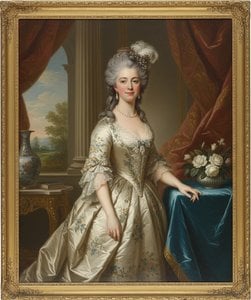
Francis Hayman drámai víziója
Az oszto század brit művészetének vibráló és változó tájat alig néhány alak olyan sokoldalú brillanciával rendelkezett, mint Francis Hayman. 1708-ban, Exeterben született művész nem csupán figyelte koravait kulturális fejlődését; ő aktívan formálta annak vizuális nyelvét is. Utazása messze a londoni kifinomult galériáktól kezdődött, a színházi díszlet ephemerikus és nagy tétű világában gyökerezve. A drámai művészetek ebbe korai elmerülése egyedülálló előnyt biztosított számára, mély megértésre teraszzt a kompozíció, a fény és a narratív feszültség tekintetében, ami később rókoko stílusának mesteri szintű gyakorlását határozta meg. Ahogy a St Martin's Lane egyik független művészeként átalakult a díszfestőről, Hayman magával hozta a történetmesélők lelkét, képesen egy statikus vásznat egy színházi pillanat ablakává alakítani.
Hayman művészetének esztétikai esszenciája szorosan összefonódott a rókoko mozgalommal, egy olyan korszakkal, amelyet az irány, az ornamentika és egyfajta könnyed elegancia jellemzett. François Boucher-höz hasonló pompás francia mesterek inspirációját merítve Hayman finom pasztellpalettát és folyékony, ritmikus ecsetvonásokat alkalmazott. Művészete azonban soha nem volt tiszta dekoráció; strukturális integritással rendelkezett, amelyet klasszikus ideálok informáltak. London fejlődő intellektuális köreiben kialakult kapcsolatai révén olyan arányérzéket és formát integrált műveibe, amely lehetővé tette portréi számára, hogy túlmutassanak a puszta hasonlóságon, és megörökítsék a karakter és a társadalmi státusz legmélyebb lényegét is.
A Royal Academy öröksége és a narratív mesterség
Hayman történelmi jelentősége az Royal Academy (Királyi Akadémia) megalakulásában betöltött alapozó szerepében gyökerezik. Alapító tagként és az intézmény első könyvtárosa sifatida segített laid az alapokat a brit professzionális művészeti standardok számára. Ez a befolyásos pozíció lehetővé tette számára, hogy áthidalja a szakadékot a tömegek népszerű, gyakran zajos szórakozása és az akadémikus elit magasrendű törekvései között. Képesége navigálni ezek között a különböző világok között talán leginkább változatos munkásságában nyilvánul meg, amely a monumentális alkotásoktól az intim ábrázolásokig terjed.
Művészeti repertoárja niezwyül kiterjedt volt, bemutatva olyan tehetséget, amely zökkenőmentesen váltott különböző műfajok között:
- Színházi és irodalmi jelenetek: Hayman ritka képességgel ruházta életre az irodalmat, megidéző ábrázolásokat alkotva Shakespeare-i drámákról és Don Quijote élénk pillanatairól, például amikor a kocsmáros lovaggá teszi a lovagot.
- Portréfestészet: Korának keresett krónikása lett, megörökítve olyan legendás színészek karizmáját, mint David Garrick, vagy az arisztokrata eleganciát, például Dr. Charles Chauncey alakján keresztül.
- Dekoratív megrendelések: A Vauxhall Pleasure Gardens számára készített munkái demonstrálták képességét a nagy skatulált történetmesélésben, ahol a művészetet a pihenés és az öröm érzékszervi élményének fokozására használta.
- Bibliai és mitológiai témák: Az olyan alkotásokon keresztül, mint a Jó Samárius, Hayman rókoko érzékiséget alkalmazott a megvetés, a jótét és a isteni közvetülés mély témáinak felfedezésére.
Végezetül, Francis Hayman élete a vizuális történetmesélés erejének bizonyítéka volt. A színpad színházias jellegének ötvözésével a rókoko kifinomult eleganciájával, olyan művek sorozatát hozta létre, amely ma is létfontosságú ablakot nyit a felvilágosodás korába. Öröksége nemcsak az ő nevét viselő vásznakon él tovább, hanem a brit művészettörténet struktúrájában is, mint egy valódi úttörő, aki segített emelni a festő státuszát kézművesről akadémikus mesterré.
Gyakran Ismételt Kérdések
Hol és melyik országban született Francis Hayman?
Francis Hayman Exeter városban, Egyesült Királyság országban született.
Milyen más neveken ismert Francis Hayman?
Francis Hayman a következő más néven is ismert: Hayman, Francis.
Szűrhetem Francis Hayman műveit szín alapján?
Francis Hayman Színspektrum index oldala olyan felület, amely a művész alkotásait színek szerint csoportosítja.