Orientalist festőalkotók, ranked

The 39 Most Famous Orientalist Festőalkotók

The most famous Orientalist festő is Jean-Léon Gérôme (1824–1904), known for Pollice Verso (vagy: Rövidítés) és Phyrne az Areopagus előtt. Next come Osman Hamdi Bey, Jean-Joseph Benjamin-Constant, David Roberts és Eugène Fromentin. This ranking of the 39 most famous Orientalist festőalkotók runs from Thomas Daniell (born 1749) to Léon Cauvy (born 1874), across 15 countries.

How this list is ranked. Artists whose works our catalogue files under Orientalist, in the order of our fame ranking of artists. Artists without a Wikidata identifier born after 1955 are left out until verified. The Wikipedia figure next to each name is the number of our 32 languages in which Wikipedia has an article on the artist.

  1. Pollice Verso (vagy: Rövidítés), Jean-Léon Gérôme alkotása1Jean-Léon Gérôme
  2. Portrait of Naile Hanım, Osman Hamdi Bey alkotása2Osman Hamdi Bey
  3. Scene in a Harem (Un Envoi de Serbie), Jean-Joseph Benjamin-Constant alkotása3Jean-Joseph Benjamin-Constant

The essentials

Orientalist at a glance

  • 39Művészek
  • 1749–1874Születési év
  • 15Születési országok
  • 0Nők
  • 3 180Művek a katalógusunkban
A legtöbb születéssel rendelkező városok
Párizs (4), Versailles (2), Bécs (2), Vesoul (1)
A legfontosabb művekkel rendelkező múzeumok
Metropolitan Művészeti Múzeum (3), New York Historical Society (3), Art Institute of Chicago (3), Musée Condé (2)

Ranked, with their masterpieces

The ranking: 39 Orientalist Festőalkotók and their key works

1of 39

Jean-Léon Gérôme

Francia Born in Vesoul Akadémiaizmus, Orientalizmus, Neo-grec Wikipedia in 29/32 languages

Jean-Léon Gérôme

By 1843, Gérôme accompanied his mentor on a voyage to Italy, a trip that would fundamentally alter his perception of form and history. As they traveled through Florence and Rome, he walked the halls of the Vatican and wandered through the ancient ruins of Pompeii. Among those who passed through his doors were Thomas Eakins, John Singer Sargent, and Mary Cassatt.

Where to see In Paris, the Musée d'Orsay preserves his paintings, offering a direct connection to the academic rigor he once championed.

Key works · The 100 most famous works · Jean-Léon Gérôme reproductions

2of 39

Osman Hamdi Bey

Turkish Born in Isztambul Orientalist Painting Wikipedia in 21/32 languages

Osman Hamdi Bey

Osman Hamdi Bey, a török művészet kiemelkedő alakja, 1842-ben született Istanbulban, Törökországban. A nagybajnok Ibrahim Edhem Paşa legfiaként 1860-ban Párizsba küldték jogtanulmányokra, azonban a francia főváros művészeti légköre mély nyomot hagyott benne, és festészet iránti szenvedélyt ébresztett fel tüzes szívében.

Pupil of Jean-Léon Gérôme #1

Key works · The 100 most famous works · Osman Hamdi Bey reproductions

3of 39

Jean-Joseph Benjamin-Constant

Francia Born in Batignolles-Monceau ['Orientalizmus', 'Akadémiai művészet'] Wikipedia in 15/32 languages

Jean-Joseph Benjamin-Constant

Benjamin-Constant’s artistic style was a fascinating blend of influences. He also drew upon the rich traditions of Renaissance art, particularly the use of color and perspective. National Gallery of Art in Washington D.C., ensuring that his artistic vision continues to inspire and captivate audiences for generations to come.

Key works · The 100 most famous works · Jean-Joseph Benjamin-Constant reproductions

4of 39

David Roberts

Scottish Born in Stockbridge Orientalism Wikipedia in 17/32 languages

David Roberts

Roberts' artistic trajectory was propelled by an expanding curiosity about diverse cultures and landscapes. Notably, Roberts wasn’t significantly influenced by any singular artist; rather, his style emerged from careful observation and unwavering technical mastery—a testament to his dedication to capturing the essence of his subjects with unparalleled accuracy. However, it was his extensive expeditions into Egypt and the Near East (1838-1840) that truly cemented his artistic legacy.

Key works · The 100 most famous works · David Roberts reproductions

5of 39

Eugène Fromentin

Francia Born in La Rochelle Orientalizmus Wikipedia in 17/32 languages

Eugène Fromentin

Eugène Fromentin a francia orientalizmus meghatározó alakja, azonban hagyatékát messze túlmutatja a puszta vizuális ábrázoláson. 1820-ben született Franciaország, La Rochelle városában, és művészeti pályája már korán a tájművészet felé terelte, Louis Cabat mentorálása alatt. Művészeti áttörése 1847-ben következett be a „Les gorges de la Chiffa” című monumentális vászonnal, amely azonnal elnyerte a párizsi Salón elismerését, és egyértelművé tette, hogy ő az Algéria drámai topográfiájának egyik legkiválózóbb tolmácsai közé tartozik.

Key works · The 100 most famous works · Eugène Fromentin reproductions

6of 39

Francis Frith

English Orientalism

Francis Frith

After establishing himself in the photographic studio scene in Liverpool during the early 1850s, Frith felt the pull of the distant unknown. His journeys between 1856 and 1860 were Herculean feats of both physical endurance and technical mastery. Though his early life was rooted in the practicalities of the Quaker tradition and even involved apprenticeships in the cutlery trade and success as a wholesale grocer, Frith possessed an innate curiosity that would eventually lead him to the sun-drenched landscapes of Egypt, Palestine, and Syria.

Key works · The 100 most famous works · Francis Frith reproductions

7of 39

Alexandre Gabriel Decamps

Francia Born in Párizs Orientalizmus Wikipedia in 14/32 languages

Alexandre Gabriel Decamps

CHIENS BRIFAUTS: Egy bájos orientalisztikus jelenet, amely kutyákat ábrázol vibráló környezetben. L’ÉCOLE TURQUE: Egy élénk ábrázolása egy török iskolának, megörökítve a mindennapi élet energiáját és hangulatát.

Key works · The 100 most famous works · Alexandre Gabriel Decamps reproductions

8of 39

Rochegrosse

Francia Born in Versailles Orientalizmus

Rochegrosse

Rochegrosse formális oktatása Alfred Dehodencsel kezdődött, amelyet a neves Académie Julian és az École des Beaux-Arts tanulmányai követtek Jules Joseph Lefebvre és Gustave Clarence Rodolphe Boulanger mesterek alatt. Korai Salon-alkotásai ambiciózus történelmi jelenetek voltak, gyakran ábrázolva intenzív erőszakot és érzelmi vihart – olyan művekkel, mint a Vitellius Dragged Through the Streets of Rome by the Populace (1882) és a A Caesar halála.

Key works · The 100 most famous works · Rochegrosse reproductions

9of 39

Frederick Arthur Bridgman

Amerikai Born in Tuskegee Orientalizmus, Akadémikus művészet Wikipedia in 15/32 languages

Frederick Arthur Bridgman

The influence of Jean-Léon Gérôme remains visible in the foundation of Bridgman's method. These academic rigors provided the structural discipline required to render the complex architecture and social rituals of the Near East.

Where to see His canvases reside in several major institutions across the United States.

Pupil of Jean-Léon Gérôme #1

Key works · The 100 most famous works · Frederick Arthur Bridgman reproductions

10of 39

Nasreddine Dinet

Francia Born in Párizs Orientalizmus Wikipedia in 13/32 languages

Nasreddine Dinet

1861. március 28-án, Párizs szívében született Alphonse-Étienne Dinet, akinek életútja a rangos Lycée Henry IV falai között kezdődött. Egy neves francia bíró fijaként korai éveket tudományos szigor és a Belle Époque kifinomult atmoszférája ölt meg.

Key works · The 100 most famous works · Nasreddine Dinet reproductions

11of 39

Edwin Lord Weeks

American Born in Boston Orientalist Wikipedia in 12/32 languages

Edwin Lord Weeks

Edwin Lord Weeks egy amerikai festő volt, aki megjegyzett jellegzetes művészi alkotásokat. 1849-ben született Bostonnban, Massachusettsban és családja gazdag kereskedelmi tevékenységének köszönhetően képes volt támogatni művészi szenvedélyét és utazását.

Pupil of Jean-Léon Gérôme #1

Key works · The 100 most famous works · Edwin Lord Weeks reproductions

12of 39

Georges Clairin

Francia Born in Párizs Orientalizmus Wikipedia in 9/32 languages

Georges Clairin

Georges Jules Victor Clairin születése 1843-ban esedélyeskedett a fényes Párizsban, ahol a művészet világában ragadó sors elindult. Művészeti alapozása a korszak legnagyobb mesterei, Isidore Pils és François-Édouard Picot műhelyei között alakult ki, ahol a technika és az alkotói lélek finomítása zajlott. 1861-ben lépett be a rangos École des beaux-arts de Paris falai közé, majd 1866-ra érkezett el az első kiállítása, amikor a művészeti világ প্রথমবারেরre figyelmeztette alkotásaiyla.

Key works · The 100 most famous works · Georges Clairin reproductions

13of 39

Charles-Théodore Frère

Francia Born in Párizs Orientalizmus Wikipedia in 10/32 languages

Charles-Théodore Frère

Formális művészeti képzését a neves École des Beaux-Arts intézményben végezte, ahol Jules Coignet és Camille Roqueplan irányítása alatt sajátította el a festészet legfontosabb tudását. Kulcsfontosságú hatások: Jules Coignet és Camille Roqueplan nyújtottak neki korai művészeti vezetését, de az algériai és a túlmutató utazásai talán a legnagyobb inspirációforrást jelentették számára.

Key works · The 100 most famous works · Charles-Théodore Frère reproductions

14of 39

Jean François Portaels

Belgian Born in Vilvoorde ['Orientalism', 'Academic Art'] Wikipedia in 12/32 languages

Jean François Portaels

Students such as Théo van Rysselberghe, Jan Toorop, and Émile Wauters find their footing under his guidance.

Key works · The 100 most famous works · Jean François Portaels reproductions

15of 39

Otto Pilny

Czech/Swiss Born in Zurich Orientalism

Otto Pilny

Born in 1866 in České Budějovice, Bohemia, his early years were shaped by the cultural currents of the Austro-Hungarian Empire after his family relocated to Prague. Between 1889 and 1892, Pilny returned to Egypt, finding himself deeply embedded in the vibrant, bustling atmospheres of Alexandria and Cairo. He possessed a remarkable ability to navigate the complexities of Middle Eastern social structures, from the bustling energy of the Orientalischer Basar to the more harrowing and complex realities depicted in works like Slave Market.

Key works · The 100 most famous works · Otto Pilny reproductions

16of 39

Émile Prisse D'Avennes

French Born in Avesnes-sur-Helpe Romanticism

Émile Prisse D'Avennes

Born into the quiet nobility of Avesnes-sur-Helpe, Achille Constant Théodore Émile Prisse d’Avennes was destined for a life defined by intellectual rigor and a profound curiosity about the world beyond Europe. This intimate connection to the Nile allowed him to perceive the nuances of Egyptian society with a clarity that remained invisible to many of his Western contemporaries. His scholarly publications, such as L'art arabe d'après les monuments du Kaire, provided much-needed documentation of Islamic architecture from the 7th to the 18th century, bridging the gap between archaeological discovery and public appreciation.

Key works · The 100 most famous works · Émile Prisse D'Avennes reproductions

17of 39

Léon Cauvy

Art Nouveau, Orientalism

Léon Cauvy

Léon Cauvy began his formal training at the École Nationale des Beaux-Arts de Montpellier, but the pull of the larger art world led him to Paris in 1895. Between 1896 and 1906, his work for furniture and interiors earned him twelve prizes featured in Paul Arnavielhe's Art et Décoration magazine.

Key works · The 100 most famous works · Léon Cauvy reproductions

18of 39

Adrien Henri Tanoux

French Orientalist, Nude Painting

Adrien Henri Tanoux

Tanoux’s technique was characterized by a masterful command of light and shadow, often employing impasto—thickly applied paint—to create a tactile surface that seemed to shimmer with life. He was particularly adept at capturing the subtle nuances of skin tone and fabric texture, imbuing his figures with a remarkable sense of realism. His works are now held in prestigious collections across France, including the Musée des Beaux-Arts de Nice, Musée de Grenoble, and Musée Cantini, testament to the enduring appeal of this often-overlooked master of French painting.

Key works · The 100 most famous works · Adrien Henri Tanoux reproductions

19of 39

Giulio Rosati

Olasz Born in Róma Orientalista művészet Wikipedia in 10/32 languages

Giulio Rosati

Giulio Rosati az olasz orientalista festészet panteonjának ragyogó alakjaként áll fent, egy olyan mesterként, aki ritka képességgel rendelkezett: képes volt egész világokat leleményezni egy római stúdió falai között. 1861-ben született Rómában, egy családban, amelyet a banki és katonai hagyományok merev struktúrái határoztak meg, Rosati pályája azonban tudatos szakítást jelentett.

Key works · The 100 most famous works · Giulio Rosati reproductions

20of 39

Alberto Pasini

Olasz Born in Busseto Orientalista festészet Wikipedia in 8/32 languages

Alberto Pasini

Korai Kiállítások és Litográfiák: 1852-ben Pasini bemutatott egy sorozatot harminc tervből álló litográfiákat, melyek Piacenza, Lunigiana és Parma környéki várakat ábrázoltak. Párizsi Tanulmányok: Toschi ösztönzésére Pasini Párizsba utazott, ahol Charles és Eugène Ciceri tanítványa lett, akik a Barbizon Iskolával álltak kapcsolatban. Utazás Perzsiába: A krími háború Pasininek lehetőséget teremtett arra, hogy Nicolas Prosper Bourée francia nagykövet mellé utazzon Perzsiába 1855-ben.

Key works · The 100 most famous works · Alberto Pasini reproductions

21of 39

Prosper Marilhat

French Born in Vertaizon Orientalist Painter Wikipedia in 8/32 languages

Prosper Marilhat

However, the Baron de Barante, a prominent figure who recognized Marilhat's innate talent and passion, intervened, advocating for his artistic pursuits. This pivotal moment propelled young Prosper to Paris in 1829, where he enrolled under the tutelage of Camille Roqueplan, a respected academic painter. Ruines de la mosquée El-Hakem au Caire (1840), for example, became renowned for its ability to capture both the monumental scale of the ruined structure and the evocative atmosphere of decay—a testament to the passage of time and the grandeur of a lost civilization.

Key works · The 100 most famous works · Prosper Marilhat reproductions

22of 39

Deutsch Ludwig

Austrian/French Born in Bécs Orientalism Wikipedia in 9/32 languages

Deutsch Ludwig

In 1919, he became a French citizen, eventually writing his name as Louis Deutsch. This transition mirrored the evolution of his art, which had moved from the classical traditions of Vienna to a specialized mastery of the Orientalist style. The historical significance of Ludwig Deutsch lies in his role as a bridge between the European academic tradition and the romanticized fascination with the East.

Key works · The 100 most famous works · Deutsch Ludwig reproductions

23of 39

William Daniell

Brit Born in Kingston-upon-Thames Tájkép- és tengeri festészet Wikipedia in 5/32 languages

William Daniell

Thomas (1749–1840) és William Daniell (1769–1837) egy lenyűgöző nagybule és плеmenj duó volt, akik mély nyomot érintettek a brit tájfestészetben, a grafikában és az orientalizmus fejlődő művészeti ágában. William Daniell korai életét nehézségek kísértették apja 1779-es korai halála után. Ebben az időszakban legjelentősebb eredményük az Oriental ScancellationToken (1795–1808) megalkotása volt, amely egy monumentális alkotás 144 színes aquatintból és hat színtelen címoldalból állt.

Key works · The 100 most famous works · William Daniell reproductions

24of 39

Carl Werner

German Born in Weimar Orientalism Wikipedia in 8/32 languages

Carl Werner

His early years were shaped by the rigorous artistic traditions of Germany, where he studied under the esteemed Julius Schnorr von Carolsfeld in Leipzig. As he moved through Europe, exhibiting in prestigious venues like the New Watercolour Society in England, his reputation as a master of the medium began to solidify, setting the stage for his most ambitious expeditions. While the Romantic movement often leaned toward the dramatic and the exaggerated, Werner maintained a commitment to a certain truthfulness, even when depicting the exotic.

Key works · The 100 most famous works · Carl Werner reproductions

25of 39

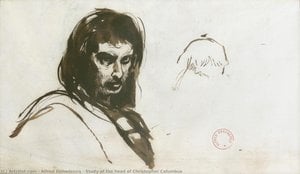
Alfred Dehodencq

Francia Born in Párizs egykori 2. kerülete Orientalizmus, Romantika Wikipedia in 9/32 languages

Alfred Dehodencq

Alfred Dehodencq (1822–1882) a 19. századi művészet egyedülálló alakjaként áll mūsų előtt; egy olyan mesterfestő, akinek vászonai a nézőket Andalúsia és Marokkó napsütötte tájaira, vibráló kultúrái közé repítették. A forradalom turbulens éveiben született Párizsban, Dehodencq élete szoros összefonódott az utazással, a megfigyeléssel és az „Ötlem” iránti rendíthetetlen vonzalommal. Útvesztője azonban drasztikusan megváltozott az 1848-as forradalom után, amikor megsérülve Spanyolországba küldték fel gyógyulni.

Key works · The 100 most famous works · Alfred Dehodencq reproductions

26of 39

John Frederick Lewis

Angol Born in London Orientalista Wikipedia in 9/32 languages

John Frederick Lewis

This familial connection to art undoubtedly shaped young John's early development, nurturing within him a keen eye for observation and composition. Lewis’s formal training began under the tutelage of Sir Thomas Lawrence, a celebrated portraitist known for his ability to capture both likeness and character. The stark beauty of the Moorish architecture in Spain and the vibrant culture of Morocco ignited a passion within Lewis.

Key works · The 100 most famous works · John Frederick Lewis reproductions

27of 39

Pierre-Victor Trémaux

Francia Born in Charrecey Orientalizmus, Építészet

Pierre-Victor Trémaux

Pierre-Victor Trémaux, aki 1818. július 20-án született Charrecey-ben, Franciaországban, élete a látszólag egymástól távol álló szenvedélyek – az építészet, a fotográfia, a tudományos megfigyelés és a Keleti kultúrák iránti mély vonzalom – lenyűgöző találkozása volt. Karrierje elején jelentős elismerést nyert, amely 1845-ben a rangos második római díjjal (Prix de Rome) ért csúcsot az építészet terهén – ez feltörekvő tehetségének bizonyítékaként szolgált.

Key works · The 100 most famous works · Pierre-Victor Trémaux reproductions

28of 39

Thomas Daniell

British Born in Kingston upon Thames Orientalist landscape Wikipedia in 6/32 languages

Thomas Daniell

While initially influenced by British landscape traditions—artists like Richard Wilson and Paul Sandby —he gradually developed a unique aesthetic that blended European techniques with Indian sensibilities. He became a Royal Academician in 1804, solidifying his position as a leading artist of his time.

Key works · The 100 most famous works · Thomas Daniell reproductions

29of 39

Hermann David Salomon Corrodi

Italian Born in Frascati Orientalism Wikipedia in 6/32 languages

Hermann David Salomon Corrodi

He possessed a gift for rendering textures—the rough stone of ancient ruins, the shimmering silk of fabrics in a bazaar, the delicate play of sunlight on water. Similarly, Bethlehem transcends simple religious iconography to become a poignant meditation on faith and devotion. In 1893, he was honored as an Academic of Merit by the Academy of St Luke—a testament to his standing within the Italian art world—and subsequently served as a professor at the institution.

Key works · The 100 most famous works · Hermann David Salomon Corrodi reproductions

30of 39

Rudolf Ernst

osztrák-francia Born in Bécs Orientalista festészet Wikipedia in 9/32 languages

Rudolf Ernst

1854-ben, Bécs szívében született Rudolf Ernst a kilencedzázadik század végi európai művészet fényes alakjaként emelkedett ki, hírmondóként szolgálva a Nyugat strukturált hagyományai és a Kelet vibráló, napsütötte hangulatának között. Utazása a bécsi Akademie der Bildenden Künstén kezdődött, ahol olyan mesterek alatt csiszolhatta tudását, mint Anton Hansekampf és Wilhelm Leibl. Stílusának valódi metamorfózisa akkor következett be, amikor Ernst 1880-ban átköltözött Párizsba.

Key works · The 100 most famous works · Rudolf Ernst reproductions

31of 39

Carl Haag

Germano-Británico Born in Erlangen Orientalismo, Aquarela Wikipedia in 7/32 languages

Carl Haag

Haag's initial training instilled in him a meticulous attention to detail—a characteristic that would become synonymous with his oeuvre. His early portraits captured the dignity and nuance of his subjects, demonstrating an understanding of human anatomy and expression that would serve as inspiration for his later works. Haag’s paintings reside in prestigious collections worldwide, including the Israel Museum and the Royal Collection, ensuring that his artistic vision continues to resonate with audiences across generations.

Key works · The 100 most famous works · Carl Haag reproductions

32of 39

Miner Kilbourne Kellogg

amerikai Born in Manlius Square Orientalista Wikipedia in 3/32 languages

Miner Kilbourne Kellogg

Miner Kilbourne Kellogg egy olyan művész volt, akinek élete egy hatalmas, áramló tapestry-ként bontakozott ki, hasonlóan a változatos tájakhoz, amelyeket oly precízen örökített meg vászonára. 1814-ben született New York Manlius Square nevű csendes enkláviumában, korai éveket a mozgás és a felfedezés határozottak. Ahogy családja Ohió felé indult, Kellogg művészlelke Cincinnati vibráló kulturális tájában kezdett gyökeret verni.

Key works · The 100 most famous works · Miner Kilbourne Kellogg reproductions

33of 39

Victor Huguet

French Born in Le Lude Orientalist Painting Wikipedia in 4/32 languages

Victor Huguet

Huguet's first significant journey abroad occurred in 1852, when he traveled to Egypt. Crucially, Huguet’s artistic development was profoundly influenced by his extensive travels throughout North Africa – Libya, Algeria, Tunisia, and Egypt. Victor Huguet continued to exhibit his works at the Salon de Marseille and the Paris Salon until 1893, after which he became a regular exhibitor at the Société des Peintres Orientalistes Français.

Pupil of Eugène Fromentin #5

Key works · The 100 most famous works · Victor Huguet reproductions

34of 39

Adrien Dauzats

Francia Born in Bordeaux Orientalizmus Wikipedia in 5/32 languages

Adrien Dauzats

Adrien Dauzats, aki 1804-ben született Bordeaux, Franciaország városában, egy olyan festő volt, akinek élete a művészeti felfedezés és a rendíthetetlen megfigyelés lenyűgöző narratívjaként bontakozott ki. Fordulat jelentős pillanata érkezett, amikor Dauzats, körülbelül 1829 körül, megkezdte expedícióit a Közel-Kelet felé a félelemmentes utazási író, Baron Taylor társaságában.

Key works · The 100 most famous works · Adrien Dauzats reproductions

35of 39

Tornai Gyula

Born in Görgö Wikipedia in 3/32 languages

Tornai Gyula

Később Budapesten, Benczúr stúdiójában finomította képességeit Hans Makart és Gyula Benczúr irányítása alatt. Tornai Gyula életének alapjai 1861-ben fejeződtek ki Görgőn, Magyarországon (amely ma Spišský Hrhov, Szlovákiában található). Képződarabjai további fejlődését és stílusának kialakulását Budapesten, Benczúr műhelyében folytatta, ahol Hans Makart és Gyula Benczúr irányítása alatt finomította képességeit.

Key works · The 100 most famous works · Tornai Gyula reproductions

36of 39

Maurice Bompard

French Born in Rodez Orientalism, Impressionism Wikipedia in 4/32 languages

Maurice Bompard

One may find his work within the walls of the Musée d'Orsay, while other pieces are held by the Musée des Beaux-Arts de Marseille.

Where to see The influence of Maurice Bompard extended far beyond the canvas, reaching into the very organization of his peers.

Key works · The 100 most famous works · Maurice Bompard reproductions

37of 39

Frederick R. Spencer

Amerikai Born in Lenox Wikipedia in 3/32 languages

Frederick R. Spencer

Spencer 1806. június 7-én született Lenox, New York államban. Időt töltött a gyipszfigurák felismertetésével az American Academy of the Fine Arts intézményében, ahol a gondos megfigyelés révén tanulta meg a formák fizikai árnyalatait. 1825-re Frederick R. Felvették a felvételt az American Academy of the Fine Arts-en, ahol John Trumbull alatt tanult.

Key works · The 100 most famous works · Frederick R. Spencer reproductions

38of 39

André Sureda

French Born in Versailles Orientalist Painter Wikipedia in 2/32 languages

André Sureda

André Suréda (1872–1930) remains a captivating figure in the annals of French art, a painter whose brush captured the shifting light and profound cultural textures of the Maghreb. His early life was steeped in an atmosphere of classical excellence; he studied at the prestigious Lycée Henri-IV before entering the École Nationale Supérieure des Beaux-Arts. His work serves as a vital visual record of the Belle Époque and the early Surrealist period, capturing a specific era of fascination with the "Orient" through a lens that was both technically precise and emotionally resonant.

Key works · The 100 most famous works · André Sureda reproductions

39of 39

Amedeo Simonetti

Italian Born in Genoa Academic Realism Wikipedia in 2/32 languages

Amedeo Simonetti

His early career saw him capturing the vanishing natural beauty of the Roman countryside, specifically the area around Prati, which was then undergoing rapid urbanization. Whether painting the dusty streets of Marrakech or the opulent halls of a bygone European era, his work remained anchored by an unwavering commitment to idealized beauty and psychological depth. Though his life was tragically short, ending in Rome in 1922, Amedeo Momo Simonetti left behind a body of work that remains a vital bridge between the disciplined traditions of Italian Academicism and the romantic, imaginative allure of the Orientalist movement.

Key works · The 100 most famous works · Amedeo Simonetti reproductions

The paintings behind the names

Famous Orientalist works and the artists who made them

  1. Pollice Verso (vagy: Rövidítés), Jean-Léon Gérôme alkotása

    Pollice Verso (vagy: Rövidítés)

    Jean-Léon Gérôme

    Phoenix Art Museum

  2. Portrait of Naile Hanım, Osman Hamdi Bey alkotása

    Portrait of Naile Hanım

    Osman Hamdi Bey

    Sakıp Sabancı Múzeum, Istanbul

  3. Scene in a Harem (Un Envoi de Serbie), Jean-Joseph Benjamin-Constant alkotása

    Scene in a Harem (Un Envoi de Serbie)

    Jean-Joseph Benjamin-Constant

    1876 · Metropolitan Művészeti Múzeum, New York

  4. The Holy Land, Syria, Idumea, Arabia, Egypt, And Nubia, David Roberts alkotása

    The Holy Land, Syria, Idumea, Arabia, Egypt, And Nubia

    David Roberts

  5. The Land of Thirst, Eugène Fromentin alkotása

    The Land of Thirst

    Eugène Fromentin

  6. The Valley of Jehoshaphat, Jerusalem (Plate 14), Francis Frith alkotása

    The Valley of Jehoshaphat, Jerusalem (Plate 14)

    Francis Frith

    1858

  7. CHIENS BRIFAUTS, Alexandre Gabriel Decamps alkotása

    CHIENS BRIFAUTS

    Alexandre Gabriel Decamps

    Louvre Múzeum, Párizs

  8. The Battle Of The Macar, Rochegrosse alkotása

    The Battle Of The Macar

    Rochegrosse

Through time

A Orientalist timeline in masterpieces

  1. 1828
  2. 1830
  3. 1853
  4. 1854
  5. 1855
  6. 1855
  7. 1858
  8. 1876
  9. 1876
  10. 1878
  11. 1880
  12. 1885
  13. 1892
  14. 1929

In figures

By the numbers

All of them, in order

List of the 39 famous Orientalist festőalkotók

  1. 1Jean-Léon GérômeJean-Léon GérômeFrancia · 1824–1904
  2. 2Osman Hamdi BeyOsman Hamdi BeyTurkish · 1842–1910
  3. 3Jean-Joseph Benjamin-ConstantJean-Joseph Benjamin-ConstantFrancia · 1845–1902
  4. 4David RobertsDavid RobertsScottish · 1796–1864
  5. 5Eugène FromentinEugène FromentinFrancia · 1820–1876
  6. 6Francis FrithFrancis FrithEnglish · 1822–1898
  7. 7Alexandre Gabriel DecampsAlexandre Gabriel DecampsFrancia · 1803–1860
  8. 8RochegrosseRochegrosseFrancia · 1859–1938
  9. 9Frederick Arthur BridgmanFrederick Arthur BridgmanAmerikai · 1847–1928
  10. 10Nasreddine DinetNasreddine DinetFrancia · 1861–1929
  11. 11Edwin Lord WeeksEdwin Lord WeeksAmerican · 1849–1903
  12. 12Georges ClairinGeorges ClairinFrancia · 1843–1919
  13. 13Charles-Théodore FrèreCharles-Théodore FrèreFrancia · 1814–1888
  14. 14Jean François PortaelsJean François PortaelsBelgian · 1818–1895
  15. 15Otto PilnyOtto PilnyCzech/Swiss · 1866–1936
  16. 16Émile Prisse D'AvennesÉmile Prisse D'AvennesFrench · 1807–1879
  17. 17Léon CauvyLéon Cauvy1874–1933
  18. 18Adrien Henri TanouxAdrien Henri TanouxFrench · 1865–1923
  19. 19Giulio RosatiGiulio RosatiOlasz · 1858–1917
  20. 20Alberto PasiniAlberto PasiniOlasz · 1826–1899
  21. 21Prosper MarilhatProsper MarilhatFrench · 1811–1847
  22. 22Deutsch LudwigDeutsch LudwigAustrian/French · 1855–1935
  23. 23William DaniellWilliam DaniellBrit · 1769–1837
  24. 24Carl WernerCarl WernerGerman · 1808–1894
  25. 25Alfred DehodencqAlfred DehodencqFrancia · 1822–1882
  26. 26John Frederick LewisJohn Frederick LewisAngol · 1805–1876
  27. 27Pierre-Victor TrémauxPierre-Victor TrémauxFrancia · 1818–1895
  28. 28Thomas DaniellThomas DaniellBritish · 1749–1840
  29. 29Hermann David Salomon CorrodiHermann David Salomon CorrodiItalian · 1844–1905
  30. 30Rudolf ErnstRudolf Ernstosztrák-francia · 1854–1932
  31. 31Carl HaagCarl HaagGermano-Británico · 1820–1915
  32. 32Miner Kilbourne KelloggMiner Kilbourne Kelloggamerikai · 1814–1889
  33. 33Victor HuguetVictor HuguetFrench · 1835–1902
  34. 34Adrien DauzatsAdrien DauzatsFrancia · 1804–1868
  35. 35Tornai GyulaTornai Gyula1861–1928
  36. 36Maurice BompardMaurice BompardFrench · 1857–1935
  37. 37Frederick R. SpencerFrederick R. SpencerAmerikai · 1806–1875
  38. 38André SuredaAndré SuredaFrench · 1872–1930
  39. 39Amedeo SimonettiAmedeo SimonettiItalian · 1874–1922

Your questions, answered

Frequently asked questions

Keep reading

Further reading on WahooArt.com

Other movements

Famous artists of other movements

Other periods

Famous artists of other periods

More rankings

Explore more