
Neo-expressionist masters, in order

13 Famous Neo-expressionist Művészek: The Definitive Ranking

The most famous Neo-expressionist művész is Jean Michel Basquiat (1960–1988), known for Cím Nélküli - Koponya (Broad Gyűjtemény, LA) és Fishing Fish. Next come Kiefer Anselm, Cy Twombly, Julian Schnabel és Georg Baselitz. This ranking of the 13 most famous Neo-expressionist művészek runs from Philip Guston (born 1913) to Chris Ofili (born 1968), across 5 countries.

How this list is ranked. Artists whose works our catalogue files under Neo-expressionist, in the order of our fame ranking of artists. Artists without a Wikidata identifier born after 1955 are left out until verified. The Wikipedia figure next to each name is the number of our 32 languages in which Wikipedia has an article on the artist.

  1. Cím Nélküli - Koponya (Broad Gyűjtemény, LA), Jean Michel Basquiat alkotása1Jean Michel Basquiat
  2. Böhmen liegt am Meer (Bohemia Lies by the Sea), Kiefer Anselm alkotása2Kiefer Anselm
  3. Proteus, Cy Twombly alkotása3Cy Twombly

The essentials

Neo-expressionist at a glance

  • 13Művészek
  • 1913–1968Születési év
  • 5Születési országok
  • 1Nők
  • 5Élő művészek
  • 545Művek a katalógusunkban
A legtöbb születéssel rendelkező városok
Brooklyn (2), Donaueschingen (1), Lexington (1), Deutschbaselitz (1)
Ezen a listán szereplő nők
Jennifer Bartlett

Ranked, with their masterpieces

The ranking: 13 Neo-expressionist Művészek and their key works

1of 13

Jean Michel Basquiat

Amerikai Born in Brooklyn Neo-Expressionizmus Wikipedia in 29/32 languages

Jean Michel Basquiat

By the early 1980s, Basquiat transitioned from graffiti to canvas, rapidly gaining recognition within the New York art world. His paintings weren’t easily categorized; they were a unique synthesis of influences ranging from Abstract Expressionism to tribal art, comic books, and historical painting. In the years since his death, Basquiat’s reputation has only grown.

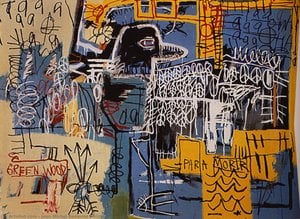
Key works · The 100 most famous works

2of 13

Kiefer Anselm

Német Born in Donaueschingen Neo-expresszionizmus Wikipedia in 23/32 languages

Kiefer Anselm

Anselm Kiefer a neoekspresszionizmus egyik legmélyebb és legegyedültebb hangjaként áll fent, amely művészeti áramlat a 1970-es évek végén és az 1980-as évek elején robbant ki, erőteljes reakcióként a minimalizmus és a konceptuális művészet aszétikus jellegére. A művész 1945-ben született Németország Donaueschingenében, létezése szoros, elválaszthatatlan kapcsolatban áll a második világháború utáni következményekkel.

Key works · The 100 most famous works

3of 13

Cy Twombly

Amerikai Born in Lexington Ábrázattal kapcsolatos Wikipedia in 21/32 languages

Cy Twombly

Edwin Parker Twombly Jr., a névvel, amelyet a nagybátyja, Cy Young, baseball legendája után kapott, egyedülálló erő volt a 20. és 21. századi művészetben – amerikai festő, szobrász és fotós, akinek munkássága nehezen kategorizálható. 1928. április 25-én született Lexingtonban, Virginiában, és művészi útja klasszikus oktatással kezdődött, egy fátyolöszláv szellemmel, amely több kontinensre is elvezette.

Key works · The 100 most famous works

4of 13

Julian Schnabel

Amerikai Egyesült Államok Born in Brooklyn Neo-expressionizmus

Julian Schnabel

Julian Schnabel született 1951-ben Brooklynban, és ő volt az Egyesült Államok egyik legnagyobb névvel rendelkező művésze és filmdíjas direktorja. Szülei Jack Schnabel és Esther Schnabel voltak, aki egy magyar származású családba költözött 1965-ben – ez pedig alakító élmény volt számára, ami egy különös státusz érzését és az őszinte, vad környezet iránti szenvedélyét tanította meg.

Key works · The 100 most famous works

5of 13

Georg Baselitz

Német Born in Deutschbaselitz Neo-expresszionizmus Wikipedia in 26/32 languages

Georg Baselitz

Throughout his prolific career, Baselitz’s artistic language has been a complex tapestry woven from myriad influences, ranging from the starkness of Socialist Realism and the dramatic tension of Mannerism to the primal rhythms of African sculpture.

Key works · The 100 most famous works

6of 13

Philip Guston

Kanada-Amerikai Born in Montréal ['Absztrakt expresszionizmus', 'Neo-expresszionizmus'] Wikipedia in 15/32 languages

Philip Guston

Philip Guston, született Phillip Goldsteinként 1913. június 27-én Montrealban, egy kanadai-amerikai festőművész és grafikus volt, akinek pályája több mint négy évtizedet ölelt fel. Már gyermekként rajzolgatni kezdte, és 1927-ben a Los Angelesi Manuális Művészeti Főiskolán festeni tanult. Később az absztrakció felé fordult, és a New York School egyik kiemelkedő alakja lett, olyan művészek között, mint Jackson Pollock és Willem de Kooning.

Key works · The 100 most famous works

7of 13

Chris Ofili

British Born in Manchester Punk art Wikipedia in 10/32 languages

Chris Ofili

Ofili’s ascent within the international art community was marked by significant milestones that cemented his place in history. A defining moment in his career arrived in 1998 when he was awarded the prestigious Turner Prize, an achievement that highlighted his ability to spark intense public debate through works such as The Holy Virgin Mary. His recognition as a member of the Young British Artists group brought him to the forefront of a generation that redefined contemporary painting.

Key works · The 100 most famous works

8of 13

Richard John Spare

Born in London

Richard John Spare

While highly respected for his printmaking skills, Spare began focusing on his own artistic endeavors in the late 1980s. Spare’s works frequently depict wildlife, landscapes, and scenes encountered during his travels, rendered with expressive lines and subtle color palettes. As an artist, he offers a unique vision of the natural world, inviting viewers to appreciate its beauty and fragility through his evocative imagery.

Key works · The 100 most famous works

9of 13

Rainer Fetting

Német Born in Wilhelmshaven Neo-expresszionizmus Wikipedia in 6/32 languages

Rainer Fetting

Az 1970-es évek elején Berlinbe költözve Fetting felvett a Hochschule der Künste-re (Képzőművészeti Akadémácie), Hans Jaenisch professzor tanítványaként. Azonban nem az akadémia falai között, hanem Nyugat-Berlin fejlődő kontrenkultúrájában kezdett valódi művészi identitását kialakítani. 1977-ben Fetting współalapította a Galerie am Moritzplatzot Helmut Middendorffal, Bernd Zimmerrel, Saloméval, Anne Juddal és Berthold Scheperssel együtt.

Key works · The 100 most famous works

10of 13

Richard Spare

British Printmaking, Oil painting

Richard Spare

His formative years at Maidstone College of Art from 1971 to 1974 laid the groundwork for a career deeply rooted in traditional techniques yet remarkably attuned to contemporary artistic currents. Following college, Spare's apprenticeship with Thomas Ross & Son proved invaluable. Throughout this period, Spare remained a frequent exhibitor at prestigious venues like the Royal Academy Summer Exhibition—a testament to his consistent artistic quality and enduring appeal.

Key works · The 100 most famous works

12of 13

Thiago Boecan

Brazilian ['Neo-Figurative Art', 'Abstract Art']

Thiago Boecan

Boecan's early exposure to the vibrant artistic community of São Paulo undoubtedly played a crucial role in his development. However, Boecan distinguishes himself through his minimalist approach and focus on geometric compositions. The influence of Brazilian Neo- Figurative Art is palpable – a movement known for its psychological intensity and exploration of the human condition.

Key works · The 100 most famous works

The paintings behind the names

Famous Neo-expressionist works and the artists who made them

  1. Cím Nélküli - Koponya (Broad Gyűjtemény, LA), Jean Michel Basquiat alkotása

    Cím Nélküli - Koponya (Broad Gyűjtemény, LA)

    Jean Michel Basquiat

    1981

  2. Böhmen liegt am Meer (Bohemia Lies by the Sea), Kiefer Anselm alkotása

    Böhmen liegt am Meer (Bohemia Lies by the Sea)

    Kiefer Anselm

    1996

  3. Proteus, Cy Twombly alkotása

    Proteus

    Cy Twombly

    1984

  4. Ornamental Despair, Julian Schnabel alkotása

    Ornamental Despair

    Julian Schnabel

  5. Der hirte, Georg Baselitz alkotása

    Der hirte

    Georg Baselitz

  6. To Fellini, Philip Guston alkotása

    To Fellini

    Philip Guston

    1958

  7. The Holy Virgin Mary, Chris Ofili alkotása

    The Holy Virgin Mary

    Chris Ofili

    1996 · MoMA - Museum of Modern Art, New York

  8. Puffin Pair, Richard John Spare alkotása

    Puffin Pair

    Richard John Spare

    2010

Through time

A Neo-expressionist timeline in masterpieces

  1. 1958
  2. 1981
  3. 1983
  4. 1984
  5. 1991
  6. 1996
  7. 1996
  8. 2010

In figures

By the numbers

All of them, in order

List of the 13 famous Neo-expressionist művészek

  1. 1Jean Michel BasquiatJean Michel BasquiatAmerikai · 1960–1988
  2. 2Kiefer AnselmKiefer AnselmNémet · született: 1945
  3. 3Cy TwomblyCy TwomblyAmerikai · 1928–2011
  4. 4Julian SchnabelJulian SchnabelAmerikai Egyesült Államok · született: 1951
  5. 5Georg BaselitzGeorg BaselitzNémet · 1938–2026
  6. 6Philip GustonPhilip GustonKanada-Amerikai · 1913–1980
  7. 7Chris OfiliChris OfiliBritish · született: 1968
  8. 8Richard John SpareRichard John Spareszületett: 1951
  9. 9Rainer FettingRainer FettingNémet · született: 1949
  10. 10Richard SpareRichard SpareBritish ·
  11. 11Anthony SimsAnthony SimsAmerican ·
  12. 12Thiago BoecanThiago BoecanBrazilian ·
  13. 13Jennifer BartlettJennifer Bartlettamerikai · 1941–2022

Your questions, answered

Frequently asked questions

  • Which Neo-expressionist művész is the most famous?

    First place goes to Jean Michel Basquiat (#1); Kiefer Anselm (#2) and Cy Twombly (#3) complete the podium.

  • Which five Neo-expressionist művészek should everyone know?

  • In which city were most Neo-expressionist művészek born?

    Brooklyn: 2 of the művészek in this list were born there.

  • Who are the great women of Neo-expressionist art?

    The women of this list (1): Jennifer Bartlett (#13).

  • Who was the earliest Neo-expressionist művész?

    The earliest-born művész in this list is Philip Guston (#6), born in 1913.

  • Which museums hold the most Neo-expressionist art?

    The museums holding the most key works of this list are Solomon R. Guggenheim Múzeum (2), Art Gallery of New South Wales (1) és Metropolitan Művészeti Múzeum (1).

  • Who are the most famous living Neo-expressionist művészek?

    The highest-ranked living művészek in this list are Kiefer Anselm (#2), Julian Schnabel (#4), Chris Ofili (#7), Richard John Spare (#8) és Rainer Fetting (#9).

  • What techniques did Neo-expressionist művészek use?

    “Kiefer technikáját jellemzi az intenzív, sűrű impasto rétegezés.” — from our biography of Kiefer Anselm (#2).

  • Where were most Neo-expressionist művészek born?

    Amerikai Egyesült Államok: 3 of the 13 művészek in this list were born there, then Németország (3) és United Kingdom (2).

  • When did the famous Neo-expressionist művészek live?

    Most művészek in this list were born in the 1940s (3 of 13), between 1913 and 1968 overall.

  • Where can I buy Neo-expressionist art?

    Our catalogue holds 545 works by these művészek.

Keep reading

Further reading on WahooArt.com

Other movements

Famous artists of other movements

Other periods

Famous artists of other periods

More rankings

Explore more