
Gothic művészek, ranked

The 34 Most Famous Gothic Művészek

The most famous Gothic művész is Duccio Di Buoninsegna (1255–1319), known for Rucellai Madonna és Maestà (Madonna és Angolok Szentével). Next come Simone Martini, Gentile Da Fabriano, Pisanello és Stephan Lochner. This ranking of the 34 most famous Gothic művészek runs from Master Mateo (born 1161) to Jan Baegert (born 1465), across 10 countries.

How this list is ranked. Artists whose works our catalogue files under Gothic, in the order of our fame ranking of artists. Artists without a Wikidata identifier born after 1955 are left out until verified. The Wikipedia figure next to each name is the number of our 32 languages in which Wikipedia has an article on the artist.

  1. Rucellai Madonna, Duccio Di Buoninsegna alkotása1Duccio Di Buoninsegna
  2. Maestà (Madonna with Angels and Saints), Simone Martini alkotása2Simone Martini
  3. Adoration of the Magi Altarpiece, left hand predella panel depicting the Nativity, Gentile Da Fabriano alkotása3Gentile Da Fabriano

The essentials

Gothic at a glance

  • 34Művészek
  • 1161–1465Születési év
  • 10Születési országok
  • 0Nők
  • 1 535Művek a katalógusunkban
A legtöbb születéssel rendelkező városok
Firenze (5), Siena (3), Nijmegen (2), Fabriano (1)
A legfontosabb művekkel rendelkező múzeumok
Metropolitan Művészeti Múzeum (7), Galleria degli Uffizi (4), National Gallery (3), Museo dell'Opera del Duomo (2)

Ranked, with their masterpieces

The ranking: 34 Gothic Művészek and their key works

1of 34

Duccio Di Buoninsegna

Olasz Born in Siena Sienai iskola, Trecento gótikus Wikipedia in 31/32 languages
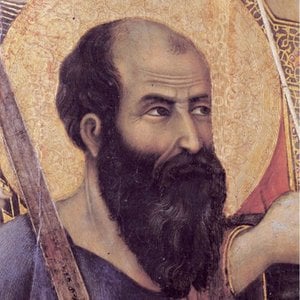
Duccio Di Buoninsegna

Duccio’s hand worked primarily in egg tempera on wood panels, a medium that required both patience and precision. His work reflects a delicate balance between the celestial splendor of the East and a growing interest in the tangible, human presence. The stylistic footprint left by Duccio di Buoninsegna helped define the visual language of the Trecento Gothic style and established the foundations of the Sienese school.

Where to see The physical remnants of Duccio's career are scattered across several major institutions, offering a way to encounter his specific approach to light and form.

Key works · The 100 most famous works · Duccio Di Buoninsegna reproductions

2of 34

Simone Martini

olasz Born in Siena Nemzetközi gótika Wikipedia in 28/32 languages

Simone Martini

Saint Louis of Toulouse Crowning His Brother Robert of Anjou, 1317. Saint Louis of Toulouse Crowning His Brother Robert of Anjou, 1317. Simone Martini keze folyamatosan alkotott utazásai során, olyan műveket hagyva hátra, amelyek a megbízói változó igényeit tükrözik. 1317-ben az Szent Lujos király és testvére, Anjou Rólbert koronázása című alkotáson dolgozott, amely a szent és testvére közötti családi és spirituális kapcsolat pillanatát örökíti meg.

Teacher of Lippo Memmi #9

Key works · The 100 most famous works · Simone Martini reproductions

3of 34

Gentile Da Fabriano

Italian Born in Fabriano International Gothic Wikipedia in 23/32 languages

Gentile Da Fabriano

Az erdőgazdaságok és szépségek földjén, a Marche régióban fekvő festői Fabriano településen született körülbelül 1370-ben, de korai évei még magában hordoznak valamennyi titkot. Tudjuk, hogy édesanyja 1380 előtt elhunyt, apja pedig, Niccolén di Giovanni Massi, 1385-re egy kolostorba vonult, ahol lelahatott – ezek az események valószínűleg mély nyomot hagytak a fiatal Gentile alakformáló éveiben.

Key works · The 100 most famous works · Gentile Da Fabriano reproductions

4of 34

Pisanello

Olasz Born in Pisa Gót Art és Érzi Régi Sztétika Wikipedia in 28/32 languages

Pisanello

However, Pisanello's contribution extends far beyond monumental frescoes; his drawings stand as independent works of art—studies of fauna, flora, and human figures imbued with an unparalleled sensitivity to form and texture.

Key works · The 100 most famous works · Pisanello reproductions

5of 34

Stephan Lochner

Német Born in Meersburg Késgótikus, Nemzetközi gótika Wikipedia in 19/32 languages

Stephan Lochner

Stephan Lochner élete körülbelül 1410-ben, Németország festői Meersburgs városában indult, egy olyan helyen, amely tele van legendákkal és a csodálatos Bodensee öljét körül fűződött. Művész életútja azonban tragédiában, Kölnben szakadt meg 1451 körül. Lochner öröksége nemcsak egyedi műveinek szépségében rejlik, hanem abban a mély hatásában is, amelyet a következő művészgenerációk körében gyakorolt, különösen Rogier van der Szarden és Hans Memling esetében – festők, akik stílusának meghatározó elemeit vitték tovább.

Key works · The 100 most famous works · Stephan Lochner reproductions

6of 34

Agnolo Gaddi

Italiano Born in Firenze Gótico, Renacimiento Temprano Wikipedia in 20/32 languages

Agnolo Gaddi

The expressive pathos, the deliberate simplification of forms, and the masterful use of light – hallmarks of Giotto’s style – permeated Gaddi’s earliest canvases. Where Giotto favored robust solidity, Gaddi infused his paintings with intricate detail and a heightened sense of decorative flourish.

Key works · The 100 most famous works · Agnolo Gaddi reproductions

7of 34

Limbourg fivérek

Holland Born in Nijmegen Nemzetközi gótika Wikipedia in 21/32 languages

Limbourg fivérek

A közepkori világ alkonyán egy háromtestű testvér-egység lépett fel a színvonal, a holland Nijmegen városából, hogy újradefiniálja a vizuális történetmesélés határait. Herman, Paul és Jean de Limbourg, akik kollektív néven a Limburg testvérként lettek ismerték, nem csupán festők voltak, hanem miniatűr világok építészei is. Készítesekből származó családi örökséggel születtek, korai életüket pedig a Holland, Franciaország és Burgundia között áramló vibráló művészeti áramlatok formálták.

Key works · The 100 most famous works · Limbourg fivérek reproductions

8of 34

Paolo Veneziano

olasz Born in Venezia Bizánci hatás és gótikus művészet Wikipedia in 15/32 languages

Paolo Veneziano

Paolo Veneziano (kb. 1333–1358) monumentális alakként áll a velencei művészet történetében, egyetemes elismeréssel bélemelve, mint a fourteenth század legfontosabb velencei festője. Öröksége messze túlmutat saját élettartamán, alapítójaként jegyeznek be a velencei iskola történetében, amely évszázadokon át dominálta a művészeti termelést, és mélyreható hatást gyakorolt a későbbi generációk asszonyain is, például Lorenzo Veneziano munkásságán.

Key works · The 100 most famous works · Paolo Veneziano reproductions

9of 34

Lippo Memmi

Olasz Born in Siena Nemzetközi gótika Wikipedia in 17/32 languages

Lippo Memmi

Lippo Memmi, aki körülbelül 1291-ben született Siena szívében, kulcsfontosságú alakja volt a középkori festészet bizánci gyökereitől az újjászülető nemzetközi gótikus stílus felé történő átmenetnek. Bár gyakran Simone Martini testvéreként és mentoraként emlegetik, a legújabb kutatások egyre inkább felismerik Memmi sajátos művészi hangját és jelentős hozzájárulását a 14. századi sienai művészethez. Talán a legismertebb ezek közül az 1333-ban Martini Simone-val közösen készített Annunciation with St.

Pupil of Simone Martini #2

Key works · The 100 most famous works · Lippo Memmi reproductions

10of 34

Spinello Aretino

Olasz Born in Arezzo Kapcsolat Giotto és a sienai iskola között Wikipedia in 16/32 languages

Spinello Aretino

Florentini aranygoldszomszékből származó családban született, valódi neve Spinello Di Luca Spinelli volt, de a történelem az „Aretino” néven ismerte meg, ami Arezzóval való kapcsolódódásra utalt. Fiatal korában a florentini zaklatott műhelyekben dolgozott, hozzájárulva olyan monumentális alkotásokhoz, mint a Carmine templom és a Santa Maria Novella freskói.

Key works · The 100 most famous works · Spinello Aretino reproductions

11of 34

Bernardo Daddi

Olasz Born in Firenze Korai reneszánsz Wikipedia in 17/32 languages

Bernardo Daddi

Bernardo Daddi, aki körülbelül 1290-ben született Firenzében, és 1348-ban bekövetkezett halála után is mély nyomot hagyott a művészettörténetben, alapvető alakként áll a késő gótika és a fejlődő olasz reneszánsz közötti átmenetben. Éretlenül hasonlóan ragadtató a Vatikáni Művészeti Gyűjteményben (Pinacoteca Vaticana) található „Szent István şehalt”, amely egy nyolc panelből álló predella, melyet körülbelül 1enc 1345 körül festettek.

Key works · The 100 most famous works · Bernardo Daddi reproductions

12of 34

Andrea Pisano

Olasz Born in Pontecorvo Gótikus

Andrea Pisano

Andrea Pisano (kb. 1290 – 1348, Orvieto) az olasz reneszánsz szobrászat monumentális alakjaként áll előttünk, ám művészeti öröksége elválaszthatatlanul kapcsolódik az előzakró gótikus korszakhoz, és mélyen meghatározta Giotto di Bondone forradalmi hatása. A lazioi Pontecorvóban született művész korai élete még sötét vonásokba burkolózik, azonban kezdetben aranyászként finomította messegét, mielőtt 1300 körül, Mino di Giovanni tanítását elsajátítva, teljes szívvel a szobrászművészetnek szentelődött.

Key works · The 100 most famous works · Andrea Pisano reproductions

13of 34

Master Mateo

Spanish Romanesque Sculpture

Master Mateo

His mastery of limestone carving was unparalleled, particularly through his use of a technique known as trabajo vivo. This method involved layering stone slabs to create textured surfaces that mimicked the appearance of flesh and fabric, lending a sense of movement and vitality to the static medium.

Key works · The 100 most famous works · Master Mateo reproductions

14of 34

Jean Malouel

Niderland (holland) Born in Nijmegen Nemzetközi gótika Wikipedia in 16/32 languages

Jean Malouel

Jean Malouel, vagy Jan Maelwael, ahogy honville Hollandia területén ismerték, lenyűgöző és kulcsfontosságú szerepet játszott a gótikus és a reneszánsz művészet átmenetében. Malouel pályafutása első jelentős fordulását 1396-97 között vette fel, amikor Parisban dolgozott, és feladatul kapta Franciaország királynője, Bavária nevű Izabelle számára armsa díszítésének festését.

Key works · The 100 most famous works · Jean Malouel reproductions

15of 34

Riemenschneider

Németország Born in Heiligenstadt Késő gotikusz és reneszánsz

Riemenschneider

However, this period of prosperity was tragically disrupted by the Peasants’ War of 1524-1525. He passed away on July 7, 1531, in Würzburg, leaving behind a legacy that would slowly be rediscovered and celebrated in the centuries to come. Riemenschneider’s artistic style represents a fascinating synthesis of Late Gothic traditions with emerging Renaissance influences—a testament to his keen observation and innovative spirit.

Key works · The 100 most famous works · Riemenschneider reproductions

16of 34

Master Francke (Frater Francke)

Holland Born in Zutphen Gótikus Reneszánsz Wikipedia in 14/32 languages

Master Francke (Frater Francke)

Johannes Francke, melyet a művészettörténet Frater Franckeként ismer, egy kulcsfontosságú alak volt az 15. századi Németország fejlődő művészeti tájában, különösen Hamburg vibráló gótikus hagyományában.

Key works · The 100 most famous works · Master Francke (Frater Francke) reproductions

17of 34

Claus Sluter

holland Born in Haarlem Észak-európai realizmus

Claus Sluter

Claus Sluter (kb. 1350–1406) korának egyik legmeghatározóbb szobrásza volt, művészete pedig a fodszaki és a reneszánsz művészeti hagyományok közötti kritikus fordulópontot jelzi Észak-Európában. Nevének körülbelül 1379/1380 körül megjelenése a brüsseli kőműves céh nyilvántartásában megerősíti szakmai tevékenységét, és hangsúlyozza a középkori művészeti kultúra keretében a kézműves tudás fontosságát.

Key works · The 100 most famous works · Claus Sluter reproductions

18of 34

Jacopo di Cione

Italian Born in Florence Gothic Wikipedia in 7/32 languages

Jacopo di Cione

His commitment to procuring marble for the cathedral underscored his understanding of artistic grandeur and civic responsibility. Furthermore, he continued to secure patronage from influential families like the Albizzi, ensuring that Florentine art would endure as a symbol of prestige and cultural achievement. The dispersed predella depicting scenes from Saint Peter’s life – a collaborative effort with Niccolò di Pietro Gerini – remains a poignant reminder of Jacopo's artistic legacy and the enduring power of Florentine Gothic art.

Key works · The 100 most famous works · Jacopo di Cione reproductions

19of 34

Jaume Huguet

Catalan Born in Valls Late Gothic, Flemish influence Wikipedia in 10/32 languages

Jaume Huguet

His workshop became a cornerstone of Catalan production, with works like the Saint Augustine Altarpiece involving collaborations with skilled artists such as Pau Vergós to meet the immense demands of religious guilds and monasteries.

Key works · The 100 most famous works · Jaume Huguet reproductions

20of 34

Lucas Moser

German Born in Weil der Stadt Late Gothic Art Wikipedia in 10/32 languages

Lucas Moser

Commissioned for the parish church in Tiefenbronn, the altarpiece depicts scenes from the life of Mary Magdalene with a striking departure from the prevailing aesthetic norms. The altarpiece isn't just a religious narrative; it is a testament to Moser’s keen observation of human anatomy, light, and shadow. However, scholars generally agree that he was exposed to both the late Gothic traditions prevalent in Southern Germany and the emerging artistic trends emanating from Flanders.

Key works · The 100 most famous works · Lucas Moser reproductions

21of 34

Master Bertram

German Born in Minden International Gothic Wikipedia in 13/32 languages

Master Bertram

It is believed that Bertram was influenced by both French and Netherlandish artistic trends prevalent during his time. Despite these influences, Bertram maintained a uniquely Northern German sensibility, imbuing his work with a sense of regional identity. While sharing similarities with other artists of the period, such as Master Francke (another prominent Hamburg painter), Bertram's work possesses a distinct character—a subtle restraint in emotional expression compared to Francke’s more overtly dramatic approach.

Key works · The 100 most famous works · Master Bertram reproductions

22of 34

Pere Serra

Spanish Gothic-Italian

Pere Serra

Born around 1357 and passing away in 1406, his life coincided with a period of significant artistic and cultural change across Europe, yet he maintained a distinctly Catalan sensibility throughout his career. The city was a vibrant hub for trade and artistic exchange, exposed to influences from Italy, France, and Flanders.

Key works · The 100 most famous works · Pere Serra reproductions

23of 34

Paolo Di Giovanni Fei

Olasz Born in San Quirico d’Orcia Naturalizmus, Proto-reneszánsz Wikipedia in 10/32 languages

Paolo Di Giovanni Fei

Pietro Lorenzetti, kinek születése körülbelül 1280 volt, és aki tragikus módon, 1348-ban, a pusztító Fekete Halál járvány idején hunyt el, az olasz festészet fejlődésének kulcsfontosságú alakja maradt. Élete, bár tragikusan rövid volt, siennai művészeti érzékzet drámai átalakulását tanúskodta, amelyet nagyrészt fiatalabb testvére, Ambrogio Lorenzetti munkássága és Giotto, valamint Giovanni Pisano innovatív technikáival való foglalkozása vezetett.

Key works · The 100 most famous works · Paolo Di Giovanni Fei reproductions

25of 34

Lluís Borrassà

Catalan Born in Girona International Gothic Wikipedia in 8/32 languages

Lluís Borrassà

By successfully introducing and refining the International Gothic style in the Principality, he provided a bridge between the medieval past and the approaching Renaissance.

Key works · The 100 most famous works · Lluís Borrassà reproductions

26of 34

Michele Giambono

Italian Born in Venice International Gothic Wikipedia in 10/32 languages

Michele Giambono

While the broader Renaissance would eventually move toward the anatomical realism and linear perspective of masters like Bellini, Giambono’s dedication to the International Gothic aesthetic provided the essential foundation of splendor upon which later Venetian art was built.

Key works · The 100 most famous works · Michele Giambono reproductions

27of 34

Giovanni dal Ponte

Olasz Born in Firenze Késő gótikus/korai reneszánszi Wikipedia in 7/32 languages

Giovanni dal Ponte

He undertook significant fresco cycles, notably at Sant'Andrea delle Fratte, where he depicted scenes from the life of Saint Paul alongside the martyrdoms of Saints Bartholomew and Peter. The influence of Lorenzo Monaco is palpable in his refined draftsmanship and elegant compositions – a clear indication that dal Ponte was absorbing the innovations of the burgeoning Renaissance style. His foundations lay firmly within the decorative traditions of the International Gothic style, evident in his use of rich colors, elaborate ornamentation, and elongated figures.

Key works · The 100 most famous works · Giovanni dal Ponte reproductions

28of 34

Prágai Theodoricus

Cseh Born in Dánia Gótikus Wikipedia in 16/32 languages

Prágai Theodoricus

Művészete körülmerszorülten 1360 és 1380 között volt aktív, egy olyan időszakben, amikor jelenléte a boémiai udvarban már alaposan dokumentáltátt. Károly, a Szents Holy Roman Emperor kedvenc udvari festőjeként szolgált. Károly, a Szentség Nagy Imperátora udvarával. 1359 és 1367 között Prágában és Karlštejn kastélyban szolgált a vezető udvari festőként.

Key works · The 100 most famous works

29of 34

Niccolò Di Pietro Gerini

Olasz Born in Firenze Késgótikus Wikipedia in 6/32 languages

Niccolò Di Pietro Gerini

Ezt a vibráló környezetet áradta Niccolò di Pietro Gerini munkássága is, egy olyan festőé, akinek alkotásai testbedősítik az átmenetet a gótikus korszak elegáns stilizációiból a fejlődő naturalizmus felé, amely meghatározotta az új kor Lapját. Kollaborációk és megrendelések: A partnerségtől meghatározott karrier Gerini pályafutásának jelentős része a Jacopo di Cione-nal folytatott gyakori együttműködésből állt, aki önmagában is kiemelkedő firenzei művész volt.

Key works · The 100 most famous works · Niccolò Di Pietro Gerini reproductions

30of 34

Pacino Di Bonaguida

Olasz Born in Firenze Gótikus művészet Wikipedia in 4/32 languages

Pacino Di Bonaguida

Elsősorban Firenzében tevékenykedett körülbelül 1303 és 1347 között, élete azonban a rejtélyek sötétjébe burkolózik – ami korabeli sok művész sorsa volt. Későbbi, 1330 körül a Medici és Spezialisták Céhbe (Arte dei Medici e Speziali) való csatlakozása tovább megszilárdította pozícióját mint tiszteletelt szakember, aki mélyen integrálódott a város gazdasági és társadalmi szerzési struktúrájába.

Key works · The 100 most famous works · Pacino Di Bonaguida reproductions

31of 34

Master Of The Life Of The Virgin

German Late Gothic Wikipedia in 11/32 languages

Master Of The Life Of The Virgin

The Master’s style is a compelling synthesis of Northern European Gothic and Early Renaissance influences. However, the Master’s work transcends mere imitation; he infused these borrowed elements with his own unique sensibility, creating paintings that are both technically proficient and emotionally resonant. The influence of Netherlandish masters is readily apparent in his draftsmanship and compositional structure.

Key works · The 100 most famous works

32of 34

Jan Baegert

Born in Wesel Late Gothic Wikipedia in 3/32 languages

Jan Baegert

Jan Baegert emerged from the established artistic traditions of Wesel, Germany, where he was born in 1465. He received his formal training under his father, Derick Baegert, a painter who provided the essential technical groundwork for Jan's later career.

Where to see Tracing the physical remains of Jan Baegert’s output requires looking toward the Westphalian and Lower Rhine regions.

Key works · The 100 most famous works · Jan Baegert reproductions

33of 34

Master Of The Osservanza

Italian Late Gothic Wikipedia in 8/32 languages

Master Of The Osservanza

The Osservanza cycle emerged around 1430-1450, a period marked by significant stylistic shifts in Siena. Influenced by the vibrant Sienese school —particularly the work of Duccio di Buoninsegna and Simone Martini —the Master nevertheless developed a distinct visual language characterized by a heightened sense of drama, emotional intensity, and an innovative use of color. His innovative use of color, dramatic composition, and psychological realism paved the way for the development of Renaissance art in Siena.

Key works · The 100 most famous works

34of 34

Master of Heiligenkreuz Abbey

Austrian International Gothic Wikipedia in 5/32 languages

Master of Heiligenkreuz Abbey

The Master’s style is a complex synthesis of influences. He drew heavily from the Gothic tradition, evident in his meticulous attention to detail, particularly in the rendering of drapery and architectural elements.

Key works · The 100 most famous works

The paintings behind the names

Famous Gothic works and the artists who made them

  1. Rucellai Madonna, Duccio Di Buoninsegna alkotása

    Rucellai Madonna

    Duccio Di Buoninsegna

    1285 · Galleria degli Uffizi, Taruna

  2. Maestà (Madonna with Angels and Saints), Simone Martini alkotása

    Maestà (Madonna with Angels and Saints)

    Simone Martini

    1315 · Palazzo Pubblico, Siena

  3. Adoration of the Magi Altarpiece, left hand predella panel depicting the Nativity, Gentile Da Fabriano alkotása

    Adoration of the Magi Altarpiece, left hand predella panel depicting the Nativity

    Gentile Da Fabriano

    1423 · Galleria degli Uffizi, Taruna

  4. Sigismondo Pandolfo Malatesta, Lord of Rimini, Pisanello alkotása

    Sigismondo Pandolfo Malatesta, Lord of Rimini

    Pisanello

    1445 · Calouste Gulbenkian Foundation, Lisabon

  5. Madonna of the Rose Bush, Stephan Lochner alkotása

    Madonna of the Rose Bush

    Stephan Lochner

    1440 · Wallraf-Richartz Múzeum, Köln

  6. The Last Supper, Agnolo Gaddi alkotása

    The Last Supper

    Agnolo Gaddi

    1395 · Lindenau-Museum, Altengau

  7. Les très riches heures du Duc de Berry: Avril (April), Limbourg fivérek alkotása

    Les très riches heures du Duc de Berry: Avril (April)

    Limbourg fivérek

    1412 · Musée Condé, Chantilly

  8. Rediscovery of the Relics of St Mark, Paolo Veneziano alkotása

    Rediscovery of the Relics of St Mark

    Paolo Veneziano

    1345 · San Marco Bazilika, Velence

Through time

A Gothic timeline in masterpieces

  1. 1285
  2. 1315
  3. 1320
  4. 1333
  5. 1334
  6. 1334
  7. 1383
  8. 1384
  9. 1394
  10. 1395
  11. 1395
  12. 1395
  13. 1410
  14. 1412

In figures

By the numbers

All of them, in order

List of the 34 famous Gothic művészek

  1. 1Duccio Di BuoninsegnaDuccio Di BuoninsegnaOlasz · 1255–1319
  2. 2Simone MartiniSimone Martiniolasz · 1284–1344
  3. 3Gentile Da FabrianoGentile Da FabrianoItalian · 1370–1427
  4. 4PisanelloPisanelloOlasz · 1395–1455
  5. 5Stephan LochnerStephan LochnerNémet · 1410–1451
  6. 6Agnolo GaddiAgnolo GaddiItaliano · 1350–1396
  7. 7Limbourg fivérekLimbourg fivérekHolland · 1385–1416
  8. 8Paolo VenezianoPaolo Venezianoolasz · 1333–1358
  9. 9Lippo MemmiLippo MemmiOlasz · 1291–1356
  10. 10Spinello AretinoSpinello AretinoOlasz · 1350–1410
  11. 11Bernardo DaddiBernardo DaddiOlasz · 1290–1348
  12. 12Andrea PisanoAndrea PisanoOlasz · 1290–1348
  13. 13Master MateoMaster MateoSpanish · 1161–1217
  14. 14Jean MalouelJean MalouelNiderland (holland) · 1370–1415
  15. 15RiemenschneiderRiemenschneiderNémetország · 1460–1531
  16. 16Master Francke (Frater Francke)Master Francke (Frater Francke)Holland · 1380–1435
  17. 17Claus SluterClaus Sluterholland · 1355–1406
  18. 18Jacopo di CioneJacopo di CioneItalian · 1325–1399
  19. 19Jaume HuguetJaume HuguetCatalan · 1445–1492
  20. 20Lucas MoserLucas MoserGerman · 1390–1443
  21. 21Master BertramMaster BertramGerman · 1345–1415
  22. 22Pere SerraPere SerraSpanish · 1357–1406
  23. 23Paolo Di Giovanni FeiPaolo Di Giovanni FeiOlasz · 1345–1411
  24. 24Giovannino De' GrassiGiovannino De' GrassiItalian · 1350–1398
  25. 25Lluís BorrassàLluís BorrassàCatalan · 1360–1425
  26. 26Michele GiambonoMichele GiambonoItalian · 1400–1462
  27. 27Giovanni dal PonteGiovanni dal PonteOlasz · 1385–1438
  28. 28Prágai TheodoricusPrágai TheodoricusCseh ·
  29. 29Niccolò Di Pietro GeriniNiccolò Di Pietro GeriniOlasz · 1368–1415
  30. 30Pacino Di BonaguidaPacino Di BonaguidaOlasz · 1280–1340
  31. 31Master Of The Life Of The VirginMaster Of The Life Of The VirginGerman ·
  32. 32Jan BaegertJan Baegert1465–1535
  33. 33Master Of The OsservanzaMaster Of The OsservanzaItalian ·
  34. 34Master of Heiligenkreuz AbbeyMaster of Heiligenkreuz AbbeyAustrian ·

Your questions, answered

Frequently asked questions

  • Which Gothic művész is the most famous?

    First place goes to Duccio Di Buoninsegna (#1); Simone Martini (#2) and Gentile Da Fabriano (#3) complete the podium.

  • Which five Gothic művészek should everyone know?

  • In which city were most Gothic művészek born?

    Firenze: 5 of the művészek in this list were born there.

  • What techniques did Gothic művészek use?

    “Duccio’s hand worked primarily in egg tempera on wood panels, a medium that required both patience and precision.” — from our biography of Duccio Di Buoninsegna (#1).

  • Which museums hold the most Gothic art?

    The museums holding the most key works of this list are Metropolitan Művészeti Múzeum (7), Galleria degli Uffizi (4) és National Gallery (3).

  • Who was the earliest Gothic művész?

    The earliest-born művész in this list is Master Mateo (#13), born in 1161.

  • Which Gothic művészek were masters and pupils?

    Simone Martini (#2) taught Lippo Memmi (#9).

  • Where were most Gothic művészek born?

    Olaszország: 14 of the 34 művészek in this list were born there, then Germany (4) és Németország (3).

  • When did the famous Gothic művészek live?

    Most művészek in this list were born in the 14th. század (18 of 34), between 1161 and 1465 overall.

  • Who are the most famous Gothic művészek from Olaszország?

    The highest-ranked művészek born in Olaszország are Duccio Di Buoninsegna (#1), Simone Martini (#2), Gentile Da Fabriano (#3), Pisanello (#4) és Agnolo Gaddi (#6).

  • Where can I buy Gothic art?

    Our catalogue holds 1,535 works by these művészek. Each one can be ordered as a hand-painted oil reproduction or a print.

Keep reading

Further reading on WahooArt.com

Other movements

Famous artists of other movements

Other periods

Famous artists of other periods

More rankings

Explore more