


Az ezen az oldalon megjelenített műalkotások szerzői jogi védelem alatt állnak, ami azt jelenti, hogy törvényileg nem készíthetünk és nem adhatunk el belőlük pontos másolatokat. Ez a védelem olyan nemzetközi megállapodások alapján érvényesül, mint például a Berni Egyezmény és a nemzeti jogszabályok által, beleértve azokat is, amelyeket meghatározott Az USA szerzői jogi törvénye – 17. cím.
Ez a módszer teljes mértékben megfelel a szerzői jogi szabályozásnak, mivel nem tartalmazza a védett műalkotás másolását vagy duplikálását. Ehelyett ez egy kreatív újinterpretáció – egy új festmény, amely az eredetivel való összefüggései miatt hatással van rá, de nem az az.
Múzeumi minőségű giclée vagy vászonnyomat, gyors gyártással és rugalmas finomítási lehetőségekkel. ( Kézzel festett másolat rendelése Áttérés digitális képre)
Válasszon előre meghatározott méreteink közül, amelyek megfelelnek a műalkotás eredeti arányainak.

Írja be a keretének vagy a falának megfelelő szélességet és magasságot. A nyomatot csak le lehet vágni, soha nem tehető nagyobbá, mint az eredeti kép, így egy eltérő alakú méretnél a kép egy része elveszik. Mielőtt bármit kinyatintanánk, küldünk egy digitális próbamodellt jóváhagyásra. Az oldalon látható kép nem tartalmazza a valós levágást — ezt csak a próbamodell mutatja meg.
Világszerte történő kiszállítás területére mindössze 2 hét alatt, a szokásos 4-5 hét helyett. (17 november)
Work
Reprodukció mérete
In the realm of mid-century abstraction, few voices resonate with as much structural purity and rhythmic vitality as that of Yoo Youngkuk. His 1968 masterpiece, Work, serves as a profound testament to his lifelong pursuit of distilling the natural world into its most fundamental geometric essences. At first glance, the viewer is met with a striking, crimson-hued triangle, a central void that commands the eye and anchors the composition. Yet, upon closer inspection, this is not merely a static shape; it is an intricate mosaic of smaller, interlocking triangles that create a mesmerizing sense of texture and movement. The painting breathes with a life of its own, as if the very fabric of the canvas is composed of light and energy captured in a moment of perfect equilibrium.
The technique employed in this piece reflects Yoo’s mastery over color and form, utilizing a layered approach that builds an incredible sense of depth. The vibrant red background does not simply sit behind the central figure; it interacts with the surrounding smaller triangles to create a pulsating, multidimensional space. This layering suggests a portal—a gateway into another dimension where geometry replaces gravity. For the discerning collector or interior designer, this work offers more than just visual interest; it provides a focal point of intense intellectual and emotional depth. The way the light seems to dance across the fractured surfaces of the red planes invites the viewer to linger, lost in the rhythmic repetition of shape that mimics the organic complexity found in mountain ranges and geological formations.
Historically, this work emerges from a period when Yoo Youngkuk was refining his unique visual language, bridging the gap between the rugged landscapes of his South Korean heritage and the rigorous demands of international abstraction. While his motifs often drew inspiration from the majestic mountains of Uljin, Work transcends mere representation. It is an exploration of the sublime—the feeling of standing before something vast, structured, yet infinitely mysterious. The central hole in the triangle acts as a symbolic eye, a vacuum that pulls the observer into the heart of the painting, evoking feelings of both introspection and wonder.
Integrating such a powerful piece into a contemporary space requires an appreciation for its bold, architectural presence. Whether placed in a minimalist gallery setting or used to add a sophisticated burst of color to a modern living space, this reproduction captures the soul of Korean abstractionism. It is a piece designed for those who seek art that challenges the intellect while soothing the spirit through its perfect, mathematical harmony. To own a piece of Yoo Youngkuk’s legacy is to invite a sense of structured peace and avant-garde elegance into one's environment, turning any room into a sanctuary of modern thought.
A „Work”, Yoo Youngkuk alkotása kézzel festett másolataival a ez a weboldal oldalon találkozhat, kézzel festett olajfesték reprodukció lino vászonon formában, melyet a(z) Kézzel festett másolat oldalon lehet megrendelni.
Összességében a "Work" alkotás balanced fényerőséget mutat. A tapasztalt fényerő azt írja le, hogy a mű mennyire tűnik világosnak vagy sötétnek.
Yoo Youngkuk a következő más néven is ismert: Liu Yongguo, YYK.


1916 - 2002 , Dél-Korea

Step into the haunting dreamscapes of Giorgio de Chirico. Explore 25 iconic Metaphysical paintings, from eerie shadows to surrealist enigmas. Find museum-quality art reproductions and timeless decor inspiration. Discover all masterpieces on WahooArt.com.
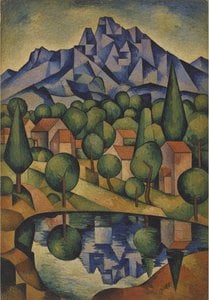
Explore the profound legacy of Paul Cézanne. Discover how his mastery of geometric forms and vibrant color bridged Impressionism and Cubism, offering timeless inspiration for fine art collectors and enthusiasts seeking to understand the foundations of modern art.

Explore the profound influence of geometry and line in fine art. Discover how structural composition creates visual impact, from Cubist mastery to Op Art precision, and learn to curate sophisticated, mathematically balanced collections for discerning art connoisseurs.
 Megtekintés
 Küldés
 Megosztás
 Részletek
 Útmutató

 Letöltés
 Hasonló darabok
 X-ray felvétel
 Diavetítés
 Kérdések és válaszok
 Statisztika

 Összes részlet megjelenítése






































 Az üvegkeretes opció csak 110 cm alatti méretben érhető el


