


 EngravingWallArtMoralistic Engraving
 1750Early Modern
 359.0 x 341.0 cm
Vásároljon nagy felbontású, javított digitális képet, amely minőségében messze felülmúlja az online előnézetet.
Minden fájlt szakembereink a legmodernebb eszközök és precíz, kézi retusálás segítségével készítenek el aprólékosan. Gondoskodunk arról, hogy minden kép kivételes tisztasággal, pontos színhelyességgel és részletgazdag finomsággal rendelkezzen.
A végleges fájl 72 órán belül e-mailben megérkezik, professzionális, szerkesztői és nyomtatási környezetbe optimalizálva az azonnali használathoz. Ez ugyanaz a minőség, amelyben a legmeghatározóbb tervezőstúdiók, kiadók és galériák is megbízhatnak.
Töltsön le nagy felbontású fájlt személyes kiállításokhoz, nyomtatáshoz és kreatív projektekhez. ( Nyomat rendelése Kézzel festett másolat rendelése)
Amikor a WahooArt.com szolgáltatást választja, nem csupán egy képet kap – professzionálisan felmagasított digitális műalkotást kap, amely precizitással készült, és amelyet megelégsedési gwarancia tesz biztoslássá. Az alábbiakban automatikusan minden benne 】

A nagy felbontású digitális képmásolatát a megrendelést követő 72 órán belül e-mailben elküldjük Önnek – azonnal használható formátumban.

Műve professzionális módon kerül optimalizálásra fejlett mesterséges intelligencia eszközök és manuális szerkesztés segítségével, biztosítva a maximális részletességet, tisztaságot és színpontosságot.

Véletlenül törölted vagy elvesztetted a fájlodat? Ne aggódj – bármikor ingyen újra megküldjük neked.

Élvezze műalkotásait azonnal, vám, illeték vagy szállítási költség nélkül – a digitális letöltések mindig adamentesek.

Professzionális eszközök és színkezelés segítségével garantáljuk, hogy digitális képe a lehető legpontosabban tükrözze az eredeti színeket.

Ha nemມີ elégedett a digitális képpel, 100 napon belül átmunkáljuk azt, vagy 100% visszatérítjük az amountot – kérdés nélkül.

Nem érheted el a teljes elégedettséget? 100 napon belül teljes visszatérítést kapsz a digitális fájlod megérkezése után – kérdés nélkül.

Vásároljon 3 képet, spóroljon 10%-et - Vásároljon 5-öt, spóroljon 15%-et - Vásároljon 10+ képet, spóroljon 20%-at. Kiváló kreatív projektekhez, galériákhoz és ügynökségekhez.
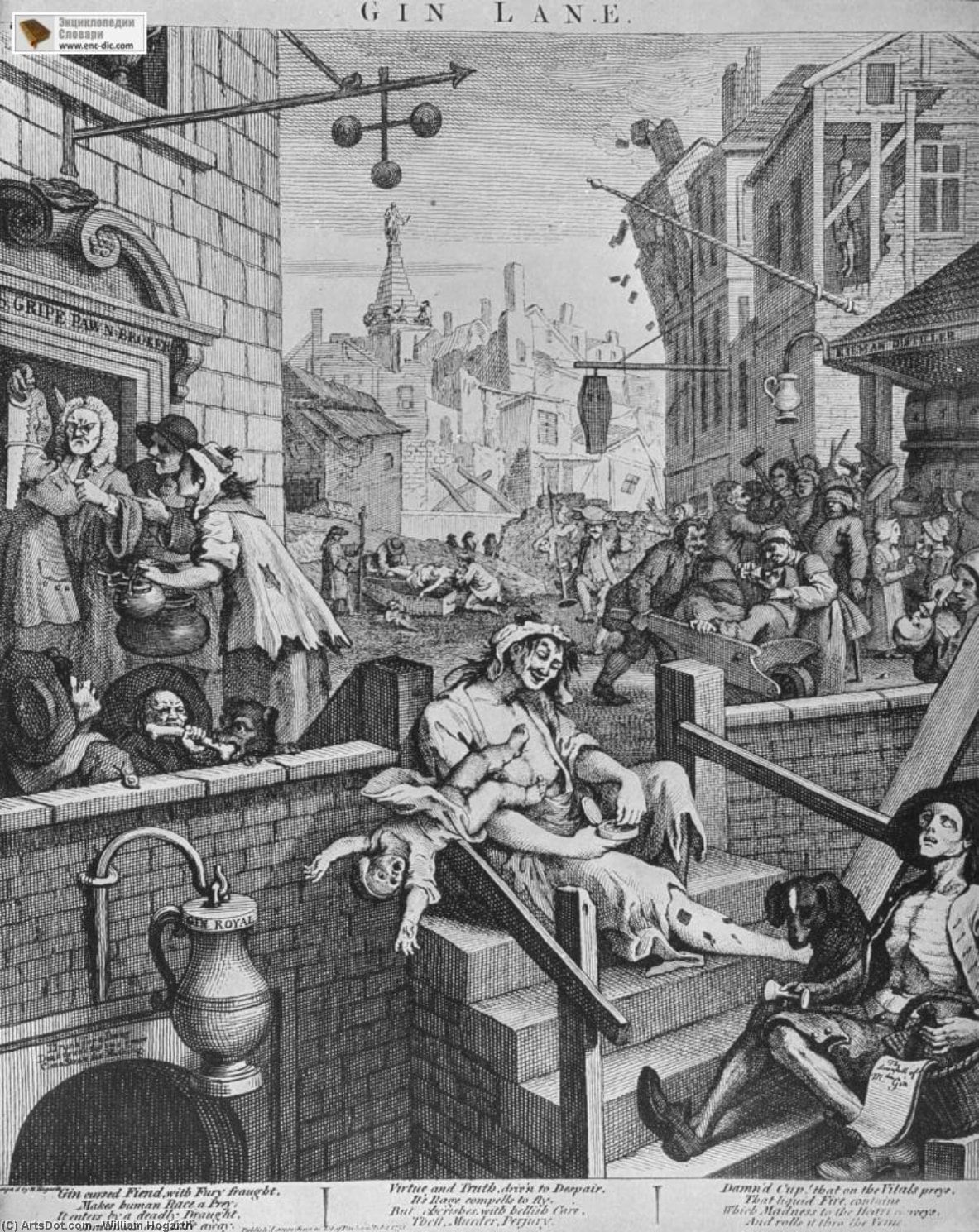
In the heart of 18th-century London, amidst the swirling fog and the growing shadows of social upheaval, William Hogarth captured a moment of profound human tragedy that continues to haunt the viewer centuries later. His masterpiece, Gin Lane, is far more than a mere engraving; it is a visceral, breathing chronicle of a city in the throes of moral and physical decay. Completed in 1751, this work serves as a searing indictment of the "Gin Craze," a period when the cheap, accessible spirit flooded the streets of London, leaving a trail of broken families and shattered lives in its wake. As one gazes upon this intricate tableau, the sense of claustrophobia is immediate. The composition is a deliberate chaos, a densely populated lane where figures overlap and collide, creating an overwhelming atmosphere of misery that pulls the observer into the very center of the struggle.
Hogarth, a master of social satire and a keen observer of the human condition, employs a technique that breathes life into the grim reality of his subject. Through the meticulous use of hatching and cross-hatching, he achieves a remarkable tonal variation that defines the textures of a crumbling urban landscape. The starkness of the black and white medium enhances the dramatic lighting, casting deep, heavy shadows that seem to swallow the figures whole. Every line is purposeful, serving to delineate the skeletal forms of the suffering and the jagged, angular architecture of the decaying buildings. This precision allows the viewer to witness the fine details of despair—the slumped posture of a man lost to intoxication, the frantic movements of those caught in the grip of poverty, and the chilling stillness of death that permeates the scene.
Beyond its surface-level depiction of poverty, Gin Lane is rich with symbolic language designed to provoke deep contemplation and social reform. Hogarth meticulously placed emblems of excess throughout the lane; overflowing gin barrels stand as silent sentinels of corruption, while the very architecture seems to be collapsing under the weight of vice. The presence of decaying bodies and the neglect of the innocent—such as the heartbreaking depiction of a mother unable to care for her child—act as powerful metaphors for the erosion of the social contract. This was not art created for mere decoration, but art intended to galvanette public opinion. It was part of a larger reformist movement, designed to be viewed alongside its counterpart, Beer Street, to contrast the perceived stability of traditional brewing with the destructive anarchy of the gin epidemic.
For the modern collector or interior designer, bringing a high-quality reproduction of this work into a space offers more than just a historical artifact; it introduces a profound narrative depth. The piece possesses an undeniable emotional gravity that commands attention, making it a striking focal point for those who appreciate art that challenges the status quo and explores the complexities of the human spirit. Whether placed in a study filled with historical texts or as a bold, monochromatic statement in a contemporary gallery-style room, Gin Lane serves as a timeless reminder of the power of art to act as a mirror to society, capturing the eternal struggle between chaos and order, and vice and virtue.


1697 - 1764 , Egyesült Királyság

 Megtekintés
 Küldés
 Megosztás
 Részletek

 Letöltés
 Hasonló darabok
 X-ray felvétel
 Diavetítés
 Összes részlet megjelenítése


