Megtekintés AR előnézet Váltás nyomtatványra Áttérés digitális képre Küldés
Részletek Útmutató Kedvencekhez ad Letöltés Hasonló darabok X-ray felvétel Diavetítés Q&A Statisztika

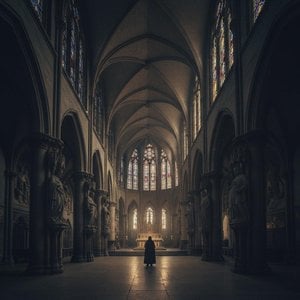
Crucifixion Hand-painted oil painting reproduction

Experience Victor Vasnetsov’s ‘Crucifixion,’ a dramatic 1904 masterpiece. Realistic detail & Gothic architecture capture this poignant biblical scene. Explore art history!

Fedezd fel Viktor Vasnetsov ikonikus művészt! Nézd meg szülőföldének népzenéjét és mitóságát, valamint nagyhatású örökségét! 🎨

Kézzel készített olajfestmény reprodukció

Kézzel festett olajvastú vászon, az Ön által választott méretben és keretben, művészeink készítik meglévőre. ( Váltás nyomtatványra Áttérés digitális képre)

Corner sample of the P118B picture frame: formázott polisztirol, 5 cm wide and 3 cm thick
P118B Ft10
Corner sample of the P118H picture frame: formázott polisztirol, 5 cm wide and 3 cm thick
P118H Ft10
Corner sample of the P118W picture frame: formázott polisztirol, 5 cm wide and 3 cm thick
P118W Ft10
Corner sample of the P438Z picture frame: formázott polisztirol, 5.5 cm wide and 3.5 cm thick
P438Z Ft10
Corner sample of the P508JH picture frame: formázott polisztirol, 7 cm wide and 3.5 cm thick
P508JH Ft12
Corner sample of the P508YH picture frame: formázott polisztirol, 7 cm wide and 3.5 cm thick
P508YH Ft12
Corner sample of the P805H picture frame: formázott polisztirol, 5 cm wide and 3.5 cm thick
P805H Ft10
Corner sample of the P805Z picture frame: formázott polisztirol, 5 cm wide and 3.5 cm thick
P805Z Ft10
Corner sample of the P919BZ picture frame: formázott polisztirol, 7 cm wide and 3.5 cm thick
P919BZ Ft10
Corner sample of the P919G picture frame: formázott polisztirol, 7 cm wide and 3.5 cm thick
P919G Ft10
Corner sample of the P919XJ picture frame: formázott polisztirol, 7 cm wide and 3.5 cm thick
P919XJ Ft10
Corner sample of the P959ZH picture frame: formázott polisztirol, 5 cm wide and 3 cm thick
P959ZH Ft10
Corner sample of the P968JZ picture frame: formázott polisztirol, 6 cm wide and 4 cm thick
P968JZ Ft12
Corner sample of the W106C picture frame: tömörfa, 5 cm wide and 3 cm thick
W106C Ft8
Corner sample of the W218G picture frame: tömörfa, 5 cm wide and 3 cm thick
W218G Ft10
Corner sample of the W218JH picture frame: tömörfa, 5 cm wide and 3 cm thick
W218JH Ft8
Corner sample of the W218Y picture frame: tömörfa, 5 cm wide and 3 cm thick
W218Y Ft10
Corner sample of the W307PJ picture frame: tömörfa, 6 cm wide and 3 cm thick
W307PJ Ft10
Corner sample of the W316G picture frame: tömörfa, 6 cm wide and 3 cm thick
W316G Ft10
Corner sample of the W316PJ picture frame: tömörfa, 6 cm wide and 3 cm thick
W316PJ Ft8
Corner sample of the W316Y picture frame: tömörfa, 6 cm wide and 3 cm thick
W316Y Ft10
Corner sample of the W398PJ picture frame: tömörfa, 5 cm wide and 3 cm thick
W398PJ Ft8
Corner sample of the W4111J picture frame: tömörfa, 6.5 cm wide and 3.5 cm thick
W4111J Ft10
Corner sample of the W500HY picture frame: tömörfa, 7 cm wide and 5 cm thick
W500HY Ft15
Corner sample of the W500JH picture frame: tömörfa, 7 cm wide and 5 cm thick
W500JH Ft15
Corner sample of the W692G picture frame: tömörfa, 8 cm wide and 4 cm thick
W692G Ft12
Corner sample of the W849H picture frame: tömörfa, 5 cm wide and 3 cm thick
W849H Ft8
Corner sample of the W940BG picture frame: tömörfa, 7.5 cm wide and 4.5 cm thick
W940BG Ft15
Corner sample of the W953PJ picture frame: tömörfa, 6 cm wide and 3.5 cm thick
W953PJ Ft8

Standard méret
egyedi méretű
CM
INCH

Válasszon előre meghatározott méreteink közül, amelyek megfelelnek a műalkotás eredeti arányainak.

szélesség
magasság

Írja be a kívánt szélességet és magasságot, hogy illeszkedjen a keretéhez vagy a falához. Mivel ez kézzel festett alkotás, egy eltérő formájú méret esetén a művész akár festhet is valamivel többet a kép körül, vagy korolathat is belőle — az Ön döntésének megfelelően. A festés megkezdése előtt küldünk egy digitális tervezetet jóváhagyásra. Az oldalon látható kép nem tartalmazza a végeredményt — csak a tervezet mutatja meg a valódi eredményt.

Példák arra, mit lehet módosítani: az arc kicserélése az ügyfél fotójára; háziállat hozzáadása (pl. macska helyett kutya); rejtett üzenet elhelyezése a háttérben; a háttér tájának vagy elemeinek megváltoztatása.
A rendelést követően a WahooArt.com csapata e-mailt küld az ügyfélnek az instrukciókért, és biztosít egy előnézeti képet (mockup).

Világszerte elérhető szállítás () 3-4 hét alatt a szokásos 5 hét helyett. (29 október). A minőség nem kérdőjelezhető.

Ingyenes globális expressz szállítás
Prémium minőségű len vászon
Teljes körű szállítási biztosítás
Vámvisszatérítési Garancia
Hiteles színarányosság garancia
100 napos visszaküldési lehetőség (csak hibás termékek esetén)
100% pénzvisszatérítési garancia
Több darab vásárlásakor kedvezmény

Összesített ár

Ft 87880

Crucifixion

Reprodukciós technika

Reprodukció mérete

-

Összesített ár

Ft 87880

Gyors információk

  • subject: Religious (Crucifixion of Jesus Christ)
  • year: 1904
  • artist: Victor Vasnetsov
  • title: Crucifixion

Művészeti kvíz

Minden kérdésre csak egy helyes válasz létezik.

Kérdés 1:
In Victor Vasnetsov's 'Crucifixion,' what architectural style is prominently featured in the background?
Kérdés 2:
What year was Victor Vasnetsov’s ‘Crucifixion’ created?
Kérdés 3:
Which figures are depicted mourning at the foot of the cross in Vasnetsov's 'Crucifixion'?
Kérdés 4:
Vasnetsov’s artistic style is characterized by influences from which of the following?

A Dramatic Vision of Faith: Victor Vasnetsov’s *Crucifixion* (1904)

  • Subject and Narrative: This powerful painting by Victor Vasnetsov depicts the pivotal moment of Christ's crucifixion. The scene is rendered with a stark realism that emphasizes both the physical suffering and spiritual weight of the event. We witness not only Jesus on the cross, bearing visible wounds, but also the profound grief of those closest to him – Mary Magdalene kneeling in lamentation at the foot of the cross, and John the Apostle standing beside it, overcome with sorrow.
  • Artistic Style & Technique: Vasnetsov’s style is uniquely positioned between realism and Symbolism. While meticulously detailed in its portrayal of anatomy, fabric textures, and architectural elements, *Crucifixion* transcends mere representation. The artist employs a dramatic use of chiaroscuro – the interplay of light and shadow – to heighten the emotional intensity and focus attention on Christ’s figure. His technique reflects influences from Byzantine art, particularly in the solemnity and spiritual depth conveyed.
  • Historical Context & Influences: Created in 1904, this work emerged during a period of renewed religious interest within Russia, coupled with a burgeoning national artistic identity. Vasnetsov was a key figure in the *Russian Revival* movement, drawing inspiration from medieval Russian art and folklore alongside Byzantine traditions. The Gothic architectural backdrop – resembling a cathedral – is not necessarily historically accurate to Palestine but serves to elevate the scene’s symbolic weight and connect it to European Christian heritage.
  • Symbolism & Iconography: Beyond its literal depiction, *Crucifixion* is rich in symbolism. The cross itself represents sacrifice and redemption. Mary Magdalene's posture of grief embodies repentance and devotion. John the Apostle’s presence signifies unwavering faith amidst suffering. The somber color palette – dominated by dark tones – reinforces the gravity of the event and evokes a sense of mourning. The architectural setting can be interpreted as representing the Church itself, witnessing this foundational moment in Christian history.
  • Emotional Impact & Interpretation: Vasnetsov’s *Crucifixion* is not merely a historical or religious painting; it's an emotionally resonant work that invites contemplation. Despite the tragic subject matter, there’s a sense of dignity and solemnity in the depiction of Christ and his followers. The artist avoids sensationalism, instead focusing on conveying the profound sorrow and spiritual significance of the event. The painting evokes feelings of empathy, reverence, and reflection on themes of faith, sacrifice, and redemption.
  • For Collectors & Designers: This artwork’s dramatic composition and rich detail make it a compelling focal point for any space. A high-quality reproduction would lend an air of gravitas and spiritual depth to a living room, study, or chapel. Its classic subject matter and masterful execution ensure its enduring appeal.

Kérdések és válaszok

Milyen színpaletta jellemzi a(z) „Crucifixion”, Victor Vasnetsov alkotása alkotást?

A „Crucifixion”, Victor Vasnetsov alkotása színek palettáját úgy jellemzik, mint Earthy. Ez a mű színeinek tömör leírása.

Milyen szín vezeti a „Crucifixion”, Victor Vasnetsov alkotása kompozícióját?

A(z) Espresso (#4e4342) a(z) „Crucifixion”, Victor Vasnetsov alkotása domináns színe.

Hol találhatók statisztikák a(z) „Crucifixion”, Victor Vasnetsov alkotása kapcsán?

A „Crucifixion”, Victor Vasnetsov alkotása Statisztikák oldala a nyilvános látogatási statisztikákat mutatja be: az alkotás havi látogatottságát, összehasonlításban a művész legnézettebb alkotásaival, valamint a látogatók származási helyét.


A művész életrajza

Viktor Vasnetsov: A Master of Russian Myth and Spirit

Viktor Mikhaylovich Vasnetsov, a name synonymous with the heart of Russia itself, was more than just an artist; he was a conduit to the nation’s soul. Born in 1848 in the remote village of Lopyal, nestled within the Vyatka Governorate – now Kirov – his early life was steeped in both religious tradition and a nascent artistic sensibility nurtured by his father, a priest and amateur painter. This unique upbringing laid the foundation for Vasnetsov’s extraordinary journey, one that would ultimately transform him into Russia's foremost interpreter of its rich folklore, epic legends, and profound spiritual heritage.

Initially drawn to theological studies at the Vyatka Seminary, Vasnetsov soon realized his true calling lay not in the scriptures but in capturing the vibrant world around him. He abandoned his academic pursuits to pursue painting with unwavering dedication, enrolling at the Imperial Academy of Arts in St. Petersburg in 1867. It was within these hallowed halls that he encountered and forged lasting friendships with some of Russia’s most influential artists – a circle deeply influenced by the Peredvizhniki movement, known for their commitment to realism and social commentary. However, Vasnetsov's artistic trajectory took an unexpected turn when he became utterly captivated by the ancient *byliny*—the epic tales of heroes, gods, and fantastical creatures that formed the bedrock of Russian folklore.

The Birth of a National Style

This fascination with the *byliny* marked a pivotal shift in Vasnetsov’s artistic development. He began to move away from the prevailing realist tendencies of his time, embracing instead a style that blended meticulous detail with elements of fantasy and symbolism—a style that would soon become uniquely Russian. Influenced by artists like Isaak Levitan, whose landscapes evoked a sense of melancholy beauty, and Ivan Aivazovsky, renowned for his dramatic seascapes, Vasnetsov nonetheless carved out his own distinct voice. His travels to Western Europe exposed him to the burgeoning Symbolist movement, further enriching his artistic vocabulary with evocative imagery and layered meanings.

Early works like After the Rain and The Boy with a Bottle of Vodka showcased his remarkable ability to capture the essence of peasant life, reflecting the social realities of his time. However, it was his embrace of Russian folklore that truly set him apart. Paintings such as Alyonushka, Ivan Tsarevich Riding the Grey Wolf, and – perhaps most famously – A Knight at the Crossroads transported viewers to a world of ancient heroes, magical creatures, and timeless legends. These works weren’t merely illustrations; they were vibrant embodiments of Russian identity, imbued with a profound sense of national pride and spiritual depth.

Iconic Visions: Major Works and Themes

Vasnetsov's artistic output spanned a remarkable range of subjects, but he is most celebrated for his depictions of *bogatyrs* – the heroic warriors who feature prominently in Russian folklore. These figures, rendered with immense power and dignity, became symbols of Russian strength, resilience, and unwavering spirit. His designs for St. Vladimir’s Cathedral in Kyiv are equally iconic, showcasing his mastery of Byzantine architectural principles while imbuing the structure with a distinctly Russian aesthetic.

Recurring themes throughout Vasnetsov's oeuvre include heroism, spirituality, national identity, and the mystical power of nature. He didn’t simply depict these elements; he imbued them with profound emotional resonance, inviting viewers to contemplate the very essence of what it meant to be Russian. His ability to seamlessly blend historical accuracy with fantastical imagination cemented his place as a true visionary artist.

A Legacy Forged in Myth and Memory

Viktor Vasnetsov’s contribution to Russian art extends far beyond individual masterpieces. He played a crucial role in the Russian Revivalist movement, which sought to reclaim and celebrate Russia's rich cultural heritage—a movement that profoundly shaped the nation’s artistic identity. His work helped to revive interest in Russian folklore, mythology, and history, ensuring that these traditions would continue to inspire generations of artists and intellectuals.

Vasnetsov died on July 23, 1926, leaving behind a legacy that continues to resonate today. His paintings are treasured national treasures, admired for their beauty, power, and profound connection to the Russian soul. He remains not just an artist but a cultural icon—a testament to the enduring power of myth, memory, and artistic vision.

Victor Vasnetsov

Victor Vasnetsov

1848 - 1926 , Oroszország

Rövid információk

  • Artistic Movement Or Style: Národní romantika
  • Artists Or Movements Influenced By This Artist: ['Szimbolizmus']
  • Artists Who Influenced This Artist:
    • Isaak Levitan
    • Ivan Aivazovsky
  • Date Of Birth: 1848. május 15.
  • Date Of Death: 1926. július 23.
  • Full Name: Viktor Mikhaylovich Vasnetsov
  • Nationality: Orosz
  • Notable Artworks:
    • A Szívszomorú Szegény Fiú
    • Bogatyrs
    • Ivan Tsarevich és a Szürke Sólyom
    • Alyonushka
  • Place Of Birth: Vyatka megye, Oroszország