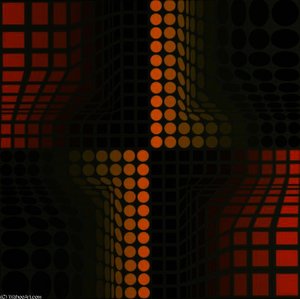
Kézzel festett olajvastú vászon, az Ön által választott méretben és keretben, művészeink készítik meglévőre. ( Nyomat rendelése Kép letöltése)





























Válasszon előre meghatározott méreteink közül, amelyek megfelelnek a műalkotás eredeti arányainak.

Ön megadhat saját méreteket egy adott kerethez vagy térhez igazításhoz. Ha a kiválasztott méret nem egyezik az eredeti kép arányával, akkor a műalkotást levágjuk, vagy további kézzel festett elemekkel meghosszabbítjuk a festményt. A gyártás megkezdése előtt küldünk Önnek egy digitális előnézetet jóváhagyásra.
Kérjük, vegye figyelembe, hogy a képernyőn megjelenő előnézet nem tükrözi a tényleges vágást vagy kiterjesztést. Csak az előnézet fog pontosan mutatni a végső kompozíciót.
Bár egyedi méretek állnak rendelkezésre, javasoljuk, hogy válasszon egy méretet az előre meghatározott listából az eredeti arányok megőrzése érdekében.
Világszerte elérhető szállítás () 3-4 hét alatt a szokásos 5 hét helyett. (7 szeptember). A minőség nem kérdőjelezhető.


Oervegn
Reprodukció mérete
Victor Vasarely's "Oervegn," painted in 1968, is more than just a visually striking image of a blue circle punctuated by a vibrant yellow spiral; it’s a profound meditation on perception and the very nature of reality. Created during his pivotal period as a leading figure in Op Art – Optical Art – this work embodies Vasarely's lifelong fascination with geometry, movement, and the illusionary effects created through precise visual arrangements. The painting’s genesis lies within the Bauhaus-influenced workshop of Sándor Bortnyik, where Vasarely honed his skills in functional design and geometric abstraction, principles that would become the bedrock of his artistic vocabulary.
Vasarely's technique was meticulously crafted to manipulate the viewer’s perception. “Oervegn” exemplifies this approach through a deliberate use of contrasting colors – the cool, calming blue against the energetic yellow – and a precisely rendered spiral. This isn’t simply a decorative element; it’s a carefully constructed illusion designed to create a sense of movement and depth within a static image. The circular form itself is a fundamental geometric shape, often associated with wholeness, unity, and the cosmos. Vasarely's mastery lay in exploiting the way our eyes and brain process visual information, creating an optical experience that transcends traditional representational art.
Painted in 1968, “Oervegn” reflects a broader artistic movement – Op Art – which emerged in the mid-20th century as a reaction against the dominance of representational painting. Artists like Vasarely sought to engage with the viewer directly through optical effects, challenging conventional notions of space and form. This period was also marked by advancements in science, particularly psychology and optics, which informed artists’ explorations into visual perception. The work speaks to a time of rapid technological change and increasing awareness of the constructed nature of reality – themes that continue to resonate today.
While seemingly abstract, “Oervegn” invites contemplation about fundamental questions: What is real? How do we perceive the world around us? The spiral, a symbol of eternity and continuous movement, suggests an endless cycle or process. The blue hue evokes feelings of serenity and introspection, while the yellow injects energy and optimism. Ultimately, Vasarely’s work isn't about depicting a specific scene; it’s about evoking an emotional response through carefully orchestrated visual elements. It is a piece that invites the viewer to become actively involved in the creation of meaning.

1906 - 1997 , Kroatia
Explore the mesmerizing world of Victor Vasarely. Discover how his Bauhaus-inspired Op Art masters the science of perception through geometric abstraction and vibrant color. A sophisticated guide for discerning art collectors seeking to understand the legacy of optical illusion.

Embark on a visual journey through the mesmerizing world of Op Art. Discover the masters of optical illusion, explore geometric abstraction, and learn how to curate high-impact kinetic works for your private collection with expert guidance from art professionals.

 Megtekintés
 Küldés
 Megosztás
 Részletek

 Letöltés
 Hasonló darabok
 X-ray felvétel
 Diavetítés

 Összes részlet megjelenítése







 Az üvegkeretes opció csak 110 cm alatti méretben érhető el