


Kézzel festett olajvastú vászon, az Ön által választott méretben és keretben, művészeink készítik meglévőre. ( Nyomat rendelése Kép letöltése)





























Válasszon előre meghatározott méreteink közül, amelyek megfelelnek a műalkotás eredeti arányainak.

Ön megadhat saját méreteket egy adott kerethez vagy térhez igazításhoz. Ha a kiválasztott méret nem egyezik az eredeti kép arányával, akkor a műalkotást levágjuk, vagy további kézzel festett elemekkel meghosszabbítjuk a festményt. A gyártás megkezdése előtt küldünk Önnek egy digitális előnézetet jóváhagyásra.
Kérjük, vegye figyelembe, hogy a képernyőn megjelenő előnézet nem tükrözi a tényleges vágást vagy kiterjesztést. Csak az előnézet fog pontosan mutatni a végső kompozíciót.
Bár egyedi méretek állnak rendelkezésre, javasoljuk, hogy válasszon egy méretet az előre meghatározott listából az eredeti arányok megőrzése érdekében.
Világszerte elérhető szállítás () 3-4 hét alatt a szokásos 5 hét helyett. (7 szeptember). A minőség nem kérdőjelezhető.


Comic Picture
Reprodukció mérete
Tsukioka Yoshitoshi's "Comic Picture" is not simply a collection of images; it’s a poignant and unsettling window into the final decades of Edo-period Japan, a nation grappling with profound change. This remarkable collage, assembled from multiple scenes attributed to the artist, offers a raw and unflinching portrayal of everyday life – often tinged with melancholy and a sense of impending doom. Yoshitoshi, born Owariya Yonejiro in 1839, was a pivotal figure in *ukiyo-e* art, pushing beyond the traditional depictions of beautiful women and heroic warriors to explore themes of mortality, social unrest, and the anxieties of a society on the brink.
Yoshitoshi’s artistic genius lay in his ability to infuse *ukiyo-e* with a deeply psychological and emotional depth rarely seen before or after him. Trained under the esteemed Kuniyoshi, he inherited a mastery of woodblock printing techniques but quickly developed a unique style characterized by dramatic lighting, expressive faces, and a profound sense of atmosphere. His work reflects the turbulent era in which he lived – the decline of the shogunate, the rise of Western influence, and the growing social tensions that ultimately led to the Meiji Restoration. He frequently depicted scenes of samurai facing their demise, reflecting his own anxieties about the changing world.
Each image within “Comic Picture” is laden with symbolic meaning, reflecting the anxieties and uncertainties of late Edo Japan. The depictions of violence, for example, are not merely scenes of conflict but metaphors for the broader social unrest that was sweeping across the nation. The presence of Western elements – clothing, objects, or even architectural details – subtly underscores the growing influence of foreign powers and the perceived threat to traditional Japanese culture. Yoshitoshi’s work can be seen as a visual lament for a vanishing world, a poignant reminder of the impermanence of life and the inevitability of change.
"Comic Picture" by Tsukioka Yoshitoshi is more than just a beautiful artwork; it’s a powerful historical document and a testament to the enduring power of artistic expression. A hand-painted reproduction offers an unparalleled opportunity to bring this iconic piece into your home or office, adding a touch of sophistication and intrigue to any space. Its evocative imagery and profound emotional depth will undoubtedly spark conversation and inspire contemplation for years to come.

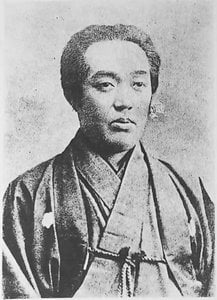
1839 - 1892 , Japán

Explore the ephemeral beauty of Japanese Ukiyo-e art. From the dynamic warriors of Kuniyoshi to serene landscapes, discover the profound history, masterful techniques, and global influence of these iconic woodblock prints in our deep cultural retrospective.

Embark on a visual journey through the ephemeral beauty of Ukiyo-e. Discover the masters of the floating world, from dynamic warriors to Kabuki legends, and explore the profound cultural legacy of Japanese woodblock printing in this expert guide for art enthusiasts.

Embark on a journey through the 'Floating World' with our expert guide to Ukiyo-e. Discover the profound history, legendary masters like Hokusai and Harunobu, and the enduring influence of Japanese woodblock prints on global art history.

Explore the profound beauty of Japanese Ukiyo-e art. Discover the legacy of Hokusai and the Utagawa school through an expert exploration of Edo-period aesthetics, seasonal motifs, and the enduring global influence of Japan's 'Floating World' on fine art history.

 Megtekintés
 Küldés
 Megosztás
 Részletek

 Letöltés
 Hasonló darabok
 X-ray felvétel
 Diavetítés

 Összes részlet megjelenítése







 Az üvegkeretes opció csak 110 cm alatti méretben érhető el


