Szerezzen be nyomtatásra kész fájlt, amely messze túlmutat a webes előnézeten. Minden általunk értékesített digitális kép az adatbázisunkban található nagy felbontású mesterfájlból származik – általában 5 000 és 15 000 pixel szélességű –, így magabiztosan nyomtathat nagy méretben, sokat vághat a képen, vagy reprodukálhatja a legfinomabb részleteket is.
Stúdiómból egyetlen fájl sem távozik feltartózkodás nélkül. Egy digitális szakértő az eredeti festménnyel összehasonlítja a színeket, és szükség esetén korrigálja azokat, majd professzionális retusználó eszközökkel javítja a tisztaságot és a részletgazdagságot — miközben mindig hű marad a művész vonalvezetéséhez és stílusához. Az eredmény egy olyan kép, amely úgy néz ki, mint egy festmény, és nem úgy, mint egy szűrőzött szkenn.
A végső munka befejezése előtt jóvá kell hagynia a képet: szakértőnk 72 órán belül elküldi azt e-mailben ellenőrzésre. Nem tetszett? Kérhet javításokat vagy korrekciókat, illetve visszatérítést kérhet, amennyiben a minőség nem felel meg az elvárásoknak.
Ez az a minőség, amelyre a kiadók, a design stúdiók, a galériák és a nyomdaték megbízhatnak.
Töltsön le nagy felbontású fájlt személyes kiállításokhoz, nyomtatáshoz és kreatív projektekhez. ( Váltás nyomtatványra Kézzel festett másolat rendelése)
Amikor a WahooArt.com szolgáltatást választja, nem csupán egy képet kap – professzionálisan felmagasított digitális műalkotást kap, amely precizitással készült, és amelyet megelégsedési gwarancia tesz biztoslássá. Az alábbiakban automatikusan minden benne 】
A nagy felbontású digitális képmásolatát a megrendelést követő 72 órán belül e-mailben elküldjük Önnek – azonnal használható formátumban.
Műve professzionális módon kerül optimalizálásra fejlett mesterséges intelligencia eszközök és manuális szerkesztés segítségével, biztosítva a maximális részletességet, tisztaságot és színpontosságot.
Véletlenül törölted vagy elvesztetted a fájlodat? Ne aggódj – bármikor ingyen újra megküldjük neked.
Élvezze műalkotásait azonnal, vám, illeték vagy szállítási költség nélkül – a digitális letöltések mindig adamentesek.
Professzionális eszközök és színkezelés segítségével garantáljuk, hogy digitális képe a lehető legpontosabban tükrözze az eredeti színeket.
Ha nemມີ elégedett a digitális képével, 100 napon belül felülvizsgáljuk vagy 100% visszatérítjük az amountot – kérdés बिना.
Nem tetszett a vásárlás? 100 napon belül teljes visszatérítést garantálunk a digitális fájl megvételétől számítva – kérdés nélkül.
Vásároljon 3 képet, spóroljon 10%-et - Vásároljon 5-öt, spóroljon 15%-et - Vásároljon 10+ képet, spóroljon 20%-at. Kiváló kreatív projektekhez, galériákhoz és ügynökségekhez.
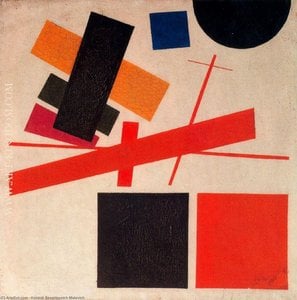
Stuart Davis's “Interior” is a captivating example of American Modernism, pulsating with energy and reflecting the artist’s unique response to the burgeoning urban landscape and the rhythms of jazz. Created sometime during his prolific career (1892-1964), this work embodies Davis’s commitment to developing a distinctly American visual language, moving beyond European influences towards a bold, independent style.
Davis was deeply influenced by jazz music, which he saw as embodying the spirit of modern America – improvisational, energetic, and uniquely its own. While “Interior” isn’t a direct representation of musical notes, the dynamic interplay of shapes and colors evokes the same sense of rhythm and syncopation found in jazz compositions.
“Interior” is not a tranquil scene; it’s charged with energy and tension. The fragmented forms and bold colors create a sense of dynamism, while the lack of traditional perspective can be slightly unsettling. This emotional complexity reflects the anxieties and excitements of a rapidly changing world.
A „Interior”, Stuart Davis alkotása egy Metallics színpalettát használ, amely összefoglalja a mű egészében megnyilvánuló színes karakterét.
A „Interior” műtémét Stuart Davis alkotójának tulajdonítják.
A "Interior" Stuart Davis alkotói pályájának Mature Period szakaszát képviseli.

Stuart Davis, aki 1892. december 7-én született Philadelphiában, már gyermecsapáiban is a művészet lenyűgöző környezetébe áltkozott. Apja, Edward Wyatt Davis a Philadelphia Press művészeti szerkesztőjeként dolgozott, édesanyja, Helen Stuart Davis pedig szobrászművész volt. Ez a családi háttér kétségtelenül alapot teremtett korai vizuális érdeklődésének, amely később egész életművévé vált.
Davis 1909 és 1912 között a New York-i Robert Henri School of Art keretein belül szerezte meg formális képzését, Robert Henri közvetlen vezetésével. Ezen időszak alatt tartós barátságokat kötött kortárs festővé, John Sloannal, Glenn Colemannal és Henry Glintenkampmal, akikkel közös művészeti utat járt.
Davis hamar kitűnt, hiszen 1913-ban, a fordulópont jellegű Armory Show kiállításon az egyik legfiatalabb résztvevőként kapott elismerést. Öt akvarellfestményét mutatta be, amelyek az Ashcan School stílusát tükrözték, ezzel is megindítva saját egyedi művészeti kalandját.
A 1920-as évek során Davis kidolgozta sajátos, érett stílusát. Elkezdett absztrakt ártányfestményeket és tájképeket alkotni, melyeket egyfajta proto-pop art elem határoz meg; kompozícióiba olyan kortárs tárgyakat beépítve, mint a cigarettacsomagok vagy a gyertyatüzer reklamok. Művészete ismert bátor, merész és színes természetéről.
Davis művészi kifejezését mélyen befolyásolta a jazz zene iránti szeretet, ami egyre nyilvánvalóbbá vált az 1940-es és 1950-es évek festményeiben. Az Ashcan School mozgalom szintén döntő szerepet játszott korai esztétikai érzékének kialakításában.
Az 1928-ban befejezett Odol (Modernizmus) Davis egyed Mul stílusának remek példája. Ez a festmény megtestesíti képességét, amellyel az absztrakt formákat a popkultúra felismerhető képi elemeivel képes összefonni.
Egyéb jelentős alkotásai közé tartozik a Rocks, Gloucester (1915), a The Mellow Pad, valamint a Tropes de Teens (1956).
Stuart Davis hozzájárulása az amerikai modernizmushoz vitathatatlan. Megkísértette a hagyományos művészeti konvenciókat, és felvállalta a kortárs témák befogadását, ezzel utat nyitva a jövő generációi számára is.
Mint az absztrakt művészet úttörője, segített létrehozni egy egyértelműen amerikai hangot a modern művészettörténet szélesebb kontextusában. Művészete ma is inspirálja és befolyásolja a művészeket, megerősítve helyét a 20. századi művészet meghatározó alakjaként.

1892 - 1964 , Amerikai Egyesült Államok
 Megtekintés
 Küldés
 Megosztás
 Részletek
 Útmutató

 Letöltés
 Hasonló darabok
 X-ray felvétel
 Diavetítés
 Kérdések és válaszok
 Statisztika
 Összes részlet megjelenítése