Kézzel festett olajvastú vászon, az Ön által választott méretben és keretben, művészeink készítik meglévőre. ( Nyomat rendelése Kép letöltése)





























Válasszon előre meghatározott méreteink közül, amelyek megfelelnek a műalkotás eredeti arányainak.

Ön megadhat saját méreteket egy adott kerethez vagy térhez igazításhoz. Ha a kiválasztott méret nem egyezik az eredeti kép arányával, akkor a műalkotást levágjuk, vagy további kézzel festett elemekkel meghosszabbítjuk a festményt. A gyártás megkezdése előtt küldünk Önnek egy digitális előnézetet jóváhagyásra.
Kérjük, vegye figyelembe, hogy a képernyőn megjelenő előnézet nem tükrözi a tényleges vágást vagy kiterjesztést. Csak az előnézet fog pontosan mutatni a végső kompozíciót.
Bár egyedi méretek állnak rendelkezésre, javasoljuk, hogy válasszon egy méretet az előre meghatározott listából az eredeti arányok megőrzése érdekében.
Világszerte elérhető szállítás () 3-4 hét alatt a szokásos 5 hét helyett. (7 szeptember). A minőség nem kérdőjelezhető.


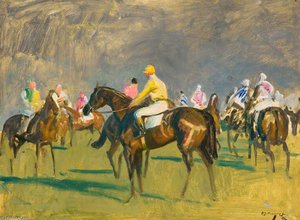
Study For 'the Start' -
Reprodukció mérete
In the evocative realm of British equestrian art, few names resonate with as much vitality and rhythmic grace as Sir Alfred James Munnings. His work, Study For 'the Start', serves as a breathtaking window into the high-stakes adrenaline of the racetrack. This particular piece captures that fleeting, breathless moment just before the chaos of the race erupts—a study in anticipation. The canvas is alive with the presence of five horses and their jockeys, positioned along the track in a way that suggests both the stillness of preparation and the impending explosion of speed. Through his masterful eye, we are not merely observers of a sporting event; we are participants in the tension that hangs in the air as the riders focus intensely on their mounts, poised for the signal that will launch them toward the finish line.
The composition is a masterclass in capturing energy through placement. By arranging the horses at varying depths within the frame, Munnings creates a sense of three-dimensional space that draws the viewer into the very heart of the scene. The presence of a solitary figure standing near the edge of the track adds a touch of human narrative, grounding the grand spectacle of the race in a moment of quiet observation. This interplay between the focused intensity of the jockeys and the peripheral stillness of the onlookers creates a dynamic equilibrium, making the painting feel less like a static image and more like a captured heartbeat.
Technically, this study showcases the brilliant Impressionistic influence that defines Munnings’s celebrated style. Rather than relying on rigid, clinical lines, the artist employs fluid brushwork to suggest the muscular power of the horses and the fluttering silks of the jockeys. There is a palpable sense of light and atmosphere; one can almost feel the dampness of the turf and the dust kicked up by hooves. The technique allows for a certain abstraction where form meets feeling, prioritizing the sensation of movement over mere anatomical precision. This approach is particularly effective for collectors and interior designers looking to introduce a sense of motion and life into a space.
For those seeking to adorn a home or gallery with a high-quality reproduction, this piece offers an unparalleled opportunity to bring the romanticism of rural England indoors. The painting does more than decorate; it narrates a vanishing way of life—a world of tradition, hunting, and the rhythmic cycles of the countryside that Munnings so passionately defended. To hang such a work is to invite a sense of heritage and spirited elegance into an environment. It serves as a sophisticated focal point that speaks to a love for classical subjects while maintaining a modern, energetic edge that complements both traditional and contemporary interior aesthetics.


1878 - 1959 , Egyesült Királyföld

Discover the breathtaking equestrian mastery of Sir Alfred James Munnings. Explore an art-history journey through his impressionistic captures of motion, light, and rural elegance, perfect for the discerning classic art enthusiast and collector.
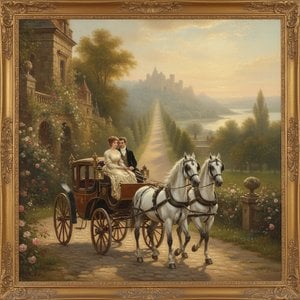
Embark on a visual journey through the romantic world of horse carriage art. Discover the mastery of equestrian oil paintings, from Impressionist textures to classical realism, and learn how to bring timeless elegance into your home with museum-quality reproductions.

Immerse yourself in the majesty of equestrian art. Discover museum-quality, hand-painted horse reproductions and bespoke commissions that capture the power and grace of the equine form. Perfect for discerning collectors seeking timeless elegance and unparalleled craftsmanship.

Elevate your collection with the tactile elegance of hand-painted oil masterpieces. From bespoke reproductions to custom portraits from photography, discover museum-quality artistry crafted by academy-trained experts for discerning collectors and designers worldwide.

Immerse yourself in the timeless elegance of horse-drawn carriage masterpieces. Discover premium, hand-painted oil reproductions and expert art curation designed for the sophisticated collector. Elevate your space with the grandeur of equestrian history and fine craftsmanship.

 Megtekintés
 Küldés
 Megosztás
 Részletek

 Letöltés
 Hasonló darabok
 X-ray felvétel
 Diavetítés

 Összes részlet megjelenítése







 Az üvegkeretes opció csak 110 cm alatti méretben érhető el