Oil On Canvas
WallArt
Baroque Painting
1638
57.0 x 42.0 cm
Fitzwilliam MúzeumVásároljon nagy felbontású, javított digitális képet, amely minőségében messze felülmúlja az online előnézetet.
Minden fájlt szakembereink a legmodernebb eszközök és precíz, kézi retusálás segítségével készítenek el aprólékosan. Gondoskodunk arról, hogy minden kép kivételes tisztasággal, pontos színhelyességgel és részletgazdag finomsággal rendelkezzen.
A végleges fájl 72 órán belül e-mailben megérkezik, professzionális, szerkesztői és nyomtatási környezetbe optimalizálva az azonnali használathoz. Ez ugyanaz a minőség, amelyben a legmeghatározóbb tervezőstúdiók, kiadók és galériák is megbízhatnak.
Töltsön le nagy felbontású fájlt személyes kiállításokhoz, nyomtatáshoz és kreatív projektekhez. ( Áttérés Nyomtatványra
Kézzel festett másolat rendelése)
Amikor a WahooArt.com szolgáltatást választja, nem csupán egy képet kap – professzionálisan felmagasított digitális műalkotást kap, amely precizitással készült, és amelyet megelégsedési gwarancia tesz biztoslássá. Az alábbiakban automatikusan minden benne 】
A nagy felbontású digitális képmásolatát a megrendelést követő 72 órán belül e-mailben elküldjük Önnek – azonnal használható formátumban.
Műve professzionális módon kerül optimalizálásra fejlett mesterséges intelligencia eszközök és manuális szerkesztés segítségével, biztosítva a maximális részletességet, tisztaságot és színpontosságot.
Véletlenül törölted vagy elvesztetted a fájlodat? Ne aggódj – bármikor ingyen újra megküldjük neked.
Élvezze műalkotásait azonnal, vám, illeték vagy szállítási költség nélkül – a digitális letöltések mindig adamentesek.
Professzionális eszközök és színkezelés segítségével garantáljuk, hogy digitális képe a lehető legpontosabban tükrözze az eredeti színeket.
Ha nemມີ elégedett a digitális képével, 100 napon belül felülvizsgáljuk vagy 100% visszatérítjük az amountot – kérdés बिना.
Nem tetszett a vásárlás? 100 napon belül teljes visszatérítést garantálunk a digitális fájl megvételétől számítva – kérdés बिना.
Vásároljon 3 képet, spóroljon 10%-et - Vásároljon 5-öt, spóroljon 15%-et - Vásároljon 10+ képet, spóroljon 20%-at. Kiváló kreatív projektekhez, galériákhoz és ügynökségekhez.
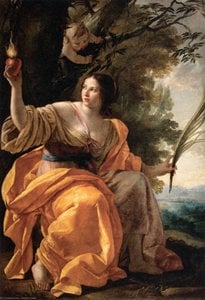
Simon Vouet's "The Entombment," painted in 1635–1638, is not merely a depiction of a biblical scene; it’s an exquisitely rendered meditation on grief, faith, and the profound dignity of sacrifice. This monumental work, currently residing within the collection of the Fitzwilliam Museum in Cambridge, transcends its subject matter to become a powerful testament to the Baroque era's ability to evoke intense emotion through masterful technique and carefully considered symbolism. Vouet, a pivotal figure in bridging the gap between Mannerism and the burgeoning Baroque style in France, imbued this piece with the dramatic lighting and emotional depth that would define his career.
The painting immediately draws the viewer into a scene of palpable sorrow. Jesus Christ, recently taken from the cross, lies supine within a richly appointed tomb – a bed draped in luxurious fabrics, its details suggesting both earthly comfort and impending finality. The figures surrounding him are rendered with an almost sculptural quality, their bodies conveying a range of emotions: Mary Magdalene, her face etched with anguish, gently lays her head upon Christ’s chest; John the Evangelist kneels in prayer, his posture reflecting deep contemplation; while other mourners – including soldiers and attendants – stand as witnesses to this solemn event. Vouet's skill lies not just in capturing individual likenesses but in conveying the collective weight of grief that permeates the scene.
Vouet’s mastery of technique is evident in every brushstroke. He employed a layered approach, building up the image through numerous glazes – a hallmark of his style and one that contributes to the painting's luminous quality. The use of *chiaroscuro*, or dramatic contrasts between light and shadow, is particularly striking. The soft, diffused light emanating from an unseen source illuminates Christ’s body and the faces of the mourners, while plunging the tomb into a deeper darkness, symbolizing death and the unknown. This interplay of light and shadow not only creates a sense of drama but also directs the viewer's eye to the most important elements of the composition.
Furthermore, Vouet’s attention to detail is remarkable. The textures of the fabrics – the velvet, linen, and wool – are rendered with astonishing realism, as are the folds of Christ’s garments and the expressions on the faces of the figures. The artist's meticulous observation of anatomy and drapery reflects his extensive training in Italy, where he had spent much of his early career studying the works of masters like Titian and Veronese. The composition itself is carefully balanced, with a clear sense of depth and perspective that draws the viewer into the scene.
Beyond its technical brilliance, “The Entombment” is rich in symbolic meaning. The tomb itself represents not just death but also resurrection – the promise of eternal life offered through Christ’s sacrifice. The presence of Mary Magdalene, traditionally depicted as a repentant sinner, underscores the theme of redemption and forgiveness. The soldiers guarding the tomb symbolize earthly authority and the limitations of human power to prevent divine destiny. The bird perched atop the tomb, often interpreted as an angel or dove, represents hope and the arrival of the Holy Spirit.
Moreover, the painting’s emotional intensity speaks to a broader spiritual concern – the universality of suffering and the importance of compassion. Vouet's depiction of grief is not merely sentimental; it is profoundly moving, inviting viewers to contemplate their own experiences of loss and mortality. The scene resonates with the viewer on a deeply human level, reminding us of the enduring power of faith and the significance of acts of kindness and empathy.
“The Entombment” stands as a quintessential example of Baroque art – a fusion of technical virtuosity, dramatic emotion, and profound symbolism. Simon Vouet’s ability to capture both the physical beauty of his subjects and the depth of their emotional experience is truly remarkable. Reproductions of this masterpiece offer an opportunity to bring its elegance and spiritual resonance into any setting, serving as a poignant reminder of humanity's shared journey through life and death.

Simon Vouet neve szorosan összefonódik a francia festészet átalakulásával, a manierizmustól a barokk felé vezető úton. 1590-ben Párizsban született, egy művészcsaládban – apja, Laurent Vouet is festő volt, és testvére, Aubin szintén a művészetet választotta –, ami kedvező alapot teremtett számára a későbbi sikerekhez. Unokája, Ludovico Dorigny továbbviszi a család művészi hagyományát. A 17. századi francia udvar és arisztokrácia ízlését tükröző Vouet munkássága ma is lenyűgöző erejével hat ránk.
Vouet festői karrierje a portréfestéssel kezdődött, hamarosan megmutatva tehetségét. Már 14 évesen Angliába utazott egy megbízásnak köszönhetően, ahol portrét kellett festenie, ami bebizonyította a növekvő hírnevét. 1611-ben csatlakozott Baron de Sancy francia követ küldöttségéhez az Oszmán Birodalomba, ismét portréfestési megbízásokra. Ez a kalandos utazás Konstantinápolyon át vezetette őt Velencébe, 1612-ben. A római időszak (1614-1627) azonban igazi fordulatot hozott életében. Tizenhány évet töltött Rómában, a virágzó barokk művészeti szcéna közepén.
Olaszországban Vouet számos hatás forrása közül merített. Caravaggio drámai megvilágításának technikáját tanulmányozta, magára ötvözve az olasz manierizmus elemeit, és alaposan vizsgálta Paolo Veronese által alkalmazott színpalettákat és a di sotto in su (felülnéző perspektíva) eljárást. Carracci, Guercino, Lanfranco és Guido Reni művészete is inspirálta, amelyeket egyedi művészi látásmódjába integrált.
Római sikerei csúcspontja a híres Accademia di San Luca elnöki tisztségének megszerzése volt (1624), ami bizonyította a római művészeti világban szerzett elismerését. Vouet stílusa azon képességéről tanúskodott, hogy képes befogadni és átalakítani a különböző művészi befolyásokat. Nem csupán másolt, hanem ezek az elemek egy koherens, distinctly olasz barokk esztétikába olvadtak. Franciaországba való visszatérése (1627) után kulcsszerepet játszott az olasz barokk stílus bevezetésében a francia festészetbe, jelentősen befolyásolva az ország művészeti táját.
Vouet Premier peintre du Roi (a király első festője) cím elnyerése hatalmas presztízst és befolyást biztosított számára. Nagy, aktív műhelyt tartott fenn, számos művészt képezve ki, akik a következő generáció francia festőit formálták. Legkiemelkedőbb tanítványai közé tartozott Charles Le Brun (aki később a versailles-i dekoratív festészetet szervezte), Valentin de Boulogne, Charles Alphonse du Fresnoy, Pierre Mignard, Eustache Le Sueur és Claude Mellan. Vouet hatása nem csupán saját műveire korlátozódott; tanítványai stílusát és technikáit Franciaországban terjesztették, létrehozva egy distinct barokk festészeti iskola.
Simon Vouet öröksége abban rejlik, hogy sikeresen hidat épített az olasz és a francia művészet között. A dinamizmus és pompa olasz barokkját Franciaország ízléséhez igazította, ami a királyi udvar és az arisztokrácia kedveltségét nyerte el. Hatása vitathatatlan a 17. századi francia festészet fejlődésében, és hozzájárulásai ma is elismerik a művészettörténészek.
1590 - 1649 , Franciaország