Megtekintés AR előnézet Kézzel festett másolat rendelése Áttérés digitális képre Küldés
Részletek Útmutató Kedvencekhez ad Letöltés Hasonló darabok X-ray felvétel Diavetítés Statisztika

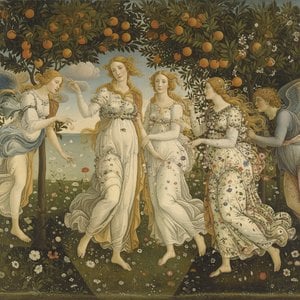
Mystic Nativity

Botticelli’s Mystic Nativity captures the serene beauty of the nativity scene with intricate detail and graceful figures, showcasing the artist's signature style from the Early Renaissance period – a timeless masterpiece to cherish and own.

Fedezd fel Sandro Botticelli (1445-1510) reneszánsz mesterét! Kiemelő stílusa, mitológiai témái és örökös hatása a művészet történelemre. 'Születés Nővényéből' és 'Tavasz' ikonikus alkotásai!

Giclée / Műnyomat

Múzeumi minőségű giclée vagy vászonnyomat, gyors gyártással és rugalmas finomítási lehetőségekkel. ( Kézzel festett másolat rendelése Áttérés digitális képre)

Corner sample of the P118B picture frame: formázott polisztirol, 5 cm wide and 3 cm thick
P118B Ft10
Corner sample of the P118H picture frame: formázott polisztirol, 5 cm wide and 3 cm thick
P118H Ft10
Corner sample of the P118W picture frame: formázott polisztirol, 5 cm wide and 3 cm thick
P118W Ft10
Corner sample of the P438Z picture frame: formázott polisztirol, 5.5 cm wide and 3.5 cm thick
P438Z Ft10
Corner sample of the P508JH picture frame: formázott polisztirol, 7 cm wide and 3.5 cm thick
P508JH Ft12
Corner sample of the P508YH picture frame: formázott polisztirol, 7 cm wide and 3.5 cm thick
P508YH Ft12
Corner sample of the P805H picture frame: formázott polisztirol, 5 cm wide and 3.5 cm thick
P805H Ft10
Corner sample of the P805Z picture frame: formázott polisztirol, 5 cm wide and 3.5 cm thick
P805Z Ft10
Corner sample of the P919BZ picture frame: formázott polisztirol, 7 cm wide and 3.5 cm thick
P919BZ Ft10
Corner sample of the P919G picture frame: formázott polisztirol, 7 cm wide and 3.5 cm thick
P919G Ft10
Corner sample of the P919XJ picture frame: formázott polisztirol, 7 cm wide and 3.5 cm thick
P919XJ Ft10
Corner sample of the P959ZH picture frame: formázott polisztirol, 5 cm wide and 3 cm thick
P959ZH Ft10
Corner sample of the P968JZ picture frame: formázott polisztirol, 6 cm wide and 4 cm thick
P968JZ Ft12
Corner sample of the W106C picture frame: tömörfa, 5 cm wide and 3 cm thick
W106C Ft8
Corner sample of the W218G picture frame: tömörfa, 5 cm wide and 3 cm thick
W218G Ft10
Corner sample of the W218JH picture frame: tömörfa, 5 cm wide and 3 cm thick
W218JH Ft8
Corner sample of the W218Y picture frame: tömörfa, 5 cm wide and 3 cm thick
W218Y Ft10
Corner sample of the W307PJ picture frame: tömörfa, 6 cm wide and 3 cm thick
W307PJ Ft10
Corner sample of the W316G picture frame: tömörfa, 6 cm wide and 3 cm thick
W316G Ft10
Corner sample of the W316PJ picture frame: tömörfa, 6 cm wide and 3 cm thick
W316PJ Ft8
Corner sample of the W316Y picture frame: tömörfa, 6 cm wide and 3 cm thick
W316Y Ft10
Corner sample of the W398PJ picture frame: tömörfa, 5 cm wide and 3 cm thick
W398PJ Ft8
Corner sample of the W4111J picture frame: tömörfa, 6.5 cm wide and 3.5 cm thick
W4111J Ft10
Corner sample of the W500HY picture frame: tömörfa, 7 cm wide and 5 cm thick
W500HY Ft15
Corner sample of the W500JH picture frame: tömörfa, 7 cm wide and 5 cm thick
W500JH Ft15
Corner sample of the W692G picture frame: tömörfa, 8 cm wide and 4 cm thick
W692G Ft12
Corner sample of the W849H picture frame: tömörfa, 5 cm wide and 3 cm thick
W849H Ft8
Corner sample of the W940BG picture frame: tömörfa, 7.5 cm wide and 4.5 cm thick
W940BG Ft15
Corner sample of the W953PJ picture frame: tömörfa, 6 cm wide and 3.5 cm thick
W953PJ Ft8

Standard méret
egyedi méretű
CM
INCH

Válasszon előre meghatározott méreteink közül, amelyek megfelelnek a műalkotás eredeti arányainak.

szélesség
magasság

Írja be a keretének vagy a falának megfelelő szélességet és magasságot. A nyomatot csak le lehet vágni, soha nem tehető nagyobbá, mint az eredeti kép, így egy eltérő alakú méretnél a kép egy része elveszik. Mielőtt bármit kinyatintanánk, küldünk egy digitális próbamodellt jóváhagyásra. Az oldalon látható kép nem tartalmazza a valós levágást — ezt csak a próbamodell mutatja meg.

Világszerte történő kiszállítás területére mindössze 2 hét alatt, a szokásos 4-5 hét helyett. (28 október)

Ingyenes globális expressz szállítás
Prémium minőségű len vászon
Teljes körű szállítási biztosítás
Vámvisszatérítési Garancia
Hiteles színarányosság garancia
100 napos visszaküldési lehetőség (csak hibás termékek esetén)
100% pénzvisszatérítési garancia
Több darab vásárlásakor kedvezmény

Összesített ár

Ft 21953

Mystic Nativity

Giclée / Műnyomat

Reprodukció mérete

-

Összesített ár

Ft 21953

Gyors információk

  • Artistic style: Renaissance
  • Movement: Early Renaissance
  • Artist: Sandro Botticelli

Művészeti kvíz

Minden kérdésre csak egy helyes válasz létezik.

Kérdés 1:
What is the central theme depicted in the artwork 'Mystic Nativity'?
Kérdés 2:
Which famous Renaissance artist is associated with the style and period suggested by this artwork's context?
Kérdés 3:
Besides Mary, Joseph, and the baby Jesus, what animals are specifically mentioned as being present in the scene?
Kérdés 4:
The setting of the painting includes what natural element, adding depth to the composition?
Kérdés 5:
Botticelli's early life and artistic development were deeply rooted in which Italian city?

A Celestial Vision Amidst Earthly Turmoil

In the twilight of the Quattrocento, as the political landscape of Italy fractured under the weight of papal ambitions and dynastic strife, Sandro Botticelli captured something far more profound than a mere religious milestone. His Mystic Nativity serves as an eloquent distillation of Renaissance ideals interwoven with the palpable anxieties of a world in flux. At first glance, the painting presents the serene, familiar scene of the Nativity—Mary cradling the infant Jesus amidst a pastoral landscape—yet the work breathes with a much deeper, more unsettling spiritual energy. It is not merely a depiction of a birth, but a complex theological vision that bridges the gap between the historical event of Christ's arrival and the apocalyptic prophecies of the Book of Revelation.

The composition guides the viewer’s eye upward through multiple narrative layers, emphasizing the sacredness of the moment while inviting contemplation of divine intervention and human humility. The central figures of Mary, Joseph, and the infant Jesus radiate divine grace, surrounded by celestial angels and humble earthly witnesses. There is a shimmering brilliance to the hues that seems to emanate from within the panel itself, creating a sense of divine light that transcends the physical medium. This luminosity serves to elevate the scene from a rustic outdoor setting into a celestial realm, where the boundaries between the earthly and the divine become beautifully blurred.

Symbolism, Technique, and the Divine Order

To gaze upon the Mystic Nativity is to engage in a silent dialogue with a dense web of symbolism. Botticelli meticulously constructed the composition to reflect a cosmic order. At the top of the work, a celestial dome of twelve angels encircles the heavens, representing both the twelve hours of the day and the twelve months of the year, acting as divine guardians over the unfolding drama. These angelic figures, draped in robes of white, red, and green, embody the virtues of faith, hope, and charity. Below this heavenly host, the landscape is punctuated by olive branches entwined with scrolls—symbols of peace and wisdom that stand in poignant contrast to the darker elements lurking in the shadows.

The emotional depth of the piece lies in its tension between salvation and peril. Beneath the rocky outcrops, demons emerge, embodying the evil forces that threaten the world. The painting employs a fascinating blend of styles; while it utilizes the emerging Renaissance naturalism, it also retains the earlier medieval convention of showing the Virgin Mary and infant Jesus on a larger scale than other figures. This deliberate distortion creates a powerful effect, emphasizing their importance above all else. Botticelli’s technical mastery is evident in his ability to manipulate oil on canvas to achieve an ethereal, luminous quality, capturing intricate textures—from flowing fabrics to natural foliage—that bring this biblical story to life.

For the discerning collector or interior designer, this masterpiece offers a profound sense of spiritual reverence and historical weight. Whether placed in a sacred space or an elegant, contemplative interior, the Mystic Nativity acts as a captivating focal point, inviting viewers to contemplate the sacred mystery of Christ’s birth and the enduring promise of peace amidst the darkness of the world.

Kérdések és válaszok

Melyik tér harmonizál a „Mystic Nativity”, Botticelli alkotása színeivel?

A „Mystic Nativity”, Botticelli alkotása Earthy színei tökéletesen illeszkednek a javasolt helyiséghez: egy Living Room.

Mi a(z) domináns színtónus „Mystic Nativity”, Botticelli alkotása-nél?

A „Mystic Nativity” egy Ochre to Sepia tónus felé hajlik.

Ismer-e más neveket a "Mystic Nativity" alkotója, Botticelli?

A „Mystic Nativity” alkotójáról, Botticelli nevű művészről ismert egyéb nevek között szerepel Sandro Botticelli, Alessandro Filipepi.


A művész életrajza

Early Life and Florentine Beginnings

Sandro Botticelli, born Alessandro di Mariano di Vanni Filipepi around 1445 in Florence, Italy, emerged during a period of extraordinary cultural ferment—the Early Renaissance. His life was deeply rooted in the city’s artistic and social fabric; he never strayed far from his neighborhood of Ognissanti, a testament to both familial ties and the vibrant creative ecosystem that nurtured him. His father, Mariano Filipepi, initially a goldsmith and later a tanner, provided an early exposure to craftsmanship and meticulous detail—qualities that would profoundly influence Botticelli’s artistic approach. Though initial reports suggested training as a goldsmith, he soon found his calling under the tutelage of Fra Filippo Lippi, a leading painter of the time. This apprenticeship proved pivotal, immersing him in the techniques and aesthetics of the Florentine school while also connecting him to influential patrons like the Medici family. Botticelli’s nickname, ‘Botticelló,’ is believed to have originated from his small stature – a fitting description for the artist who would later create works of such monumental beauty.

A Style Defined by Grace and Myth

Botticelli’s artistic style is instantly recognizable for its lyrical beauty, characterized by elegant linearity, flowing contours, and a delicate use of color. He masterfully bridged the gap between the late Gothic traditions and the burgeoning Renaissance aesthetic, absorbing influences from masters like Fra Angelico and Paolo Uccello yet forging a uniquely personal vision. His figures possess an ethereal quality, often depicted with elongated proportions and graceful poses that convey both serenity and a subtle melancholy. A defining feature of his work is the frequent incorporation of classical mythology—a reflection of the humanist interests sweeping through Renaissance Florence. He didn’t merely illustrate these ancient tales; he imbued them with new layers of meaning, exploring themes of love, beauty, and spiritual longing. Botticelli's technique was innovative for its time. He often employed a silverpoint drawing method underpainting his canvases, contributing to the luminosity and delicate detail seen in his finished works. His use of tempera paint allowed for precise rendering and vibrant colors, while his later experiments with oil paints broadened his expressive possibilities.

Iconic Masterpieces and Artistic Development

Botticelli’s legacy rests upon a handful of iconic paintings that continue to captivate audiences centuries later. The Birth of Venus, completed around 1486, stands as perhaps his most celebrated work—an allegorical depiction of the goddess emerging from a seashell, embodying Renaissance ideals of beauty and harmony. The painting’s graceful composition, delicate color palette, and evocative symbolism have made it an enduring symbol of the era. Equally renowned is Primavera, created around 1482, a complex and enigmatic painting celebrating spring and love, populated with symbolic figures drawn from classical mythology. These works showcase Botticelli’s mastery of composition, his ability to create atmospheric depth, and his profound understanding of human emotion. His early work often focused on religious subjects, honing his technical skills and establishing a reputation for skillful execution. The 1480s marked the peak of his creative powers, with the creation of these mythological masterpieces. However, the late 1490s witnessed a shift in his style, influenced by the fervent preaching of Girolamo Savonarola—a Dominican friar who condemned what he saw as the decadence and moral corruption of Florence. This period resulted in more austere and emotionally charged works, reflecting a growing spiritual intensity.

Historical Significance and Rediscovery

Following his death in 1510, Botticelli’s reputation gradually faded into obscurity. For nearly three centuries, his work was largely forgotten, overshadowed by the achievements of High Renaissance masters like Leonardo da Vinci and Michelangelo. However, a remarkable rediscovery occurred in the late 19th century with the rise of the Pre-Raphaelite Brotherhood—a group of English artists who rejected academic conventions and sought inspiration in the art of the early Italian Renaissance. They were captivated by Botticelli’s linear grace, vibrant colors, and poetic sensibility, recognizing him as a kindred spirit. This renewed appreciation sparked a widespread reassessment of his work, establishing him as one of the most important artists of the Early Renaissance. Today, Botticelli is celebrated for his unique artistic vision, his masterful technique, and his enduring ability to evoke beauty, emotion, and spiritual contemplation. His influence can be seen in subsequent generations of artists who have sought to capture the same sense of grace and elegance in their own work. He remains a symbol of Florentine artistic achievement and a testament to the power of Renaissance humanism.

Major Works

  • The Birth of Venus (c. 1486): An iconic depiction embodying Renaissance ideals of beauty.
  • Primavera (c. 1482): A complex allegorical painting celebrating spring and love.
  • Adoration of the Magi (1475-1476): Demonstrates early mastery of composition and perspective.
  • Mystic Nativity (1501): Reflects a shift towards spiritual themes in his later career.

Botticelli

Botticelli

1445 - 1510 , Olaszország

Rövid információk

  • Artistic Movement Or Style: Korai reneszánsza
  • Artists Or Movements Influenced By This Artist: ['Pre-Raffaellit']
  • Artists Who Influenced This Artist:
    • Fra Filippo Lippi
    • Paolo Uccello
  • Date Of Birth: 1445 körül
  • Date Of Death: 1510
  • Full Name: Alessandro di Mariano Filipepi
  • Nationality: Olasz
  • Notable Artworks:
    • Születés Zeppirinnél
    • Tavasz
    • Szentek imádása
  • Place Of Birth: Firenze, Olaszország
Fedezze fel a műalkotásokat témák, stílusok és jellemzők szerint csoportosítva.