MegtekintésMegtekintés Műalkotás AR előnézeteMűalkotás AR előnézete Switch to Print Switch to PrintSwitch to Digital Image Switch to Digital Image KüldésKüldés
RészletekRészletek Kedvencekhez ad Kedvencekhez ad LetöltésLetöltés Hasonló darabokHasonló darabok X-ray felvételX-ray felvétel DiavetítésDiavetítés StatsStats

Madonna with Saints

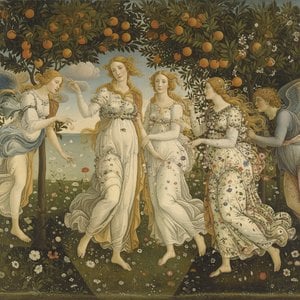
Explore Sandro Botticelli's 'Madonna with Saints,' a masterpiece of Renaissance art featuring Mary and saints adorned with opulent foliage—a symbol of divine grace and spiritual contemplation housed at the Galleria Saba.

Fedezd fel Sandro Botticelli (1445-1510) reneszánsz mesterét! Kiemelő stílusa, mitológiai témái és örökös hatása a művészet történelemre. 'Születés Nővényéből' és 'Tavasz' ikonikus alkotásai!

Kézzel készített olajfestmény reprodukció

Kézzel festett olajvastú vászon, az Ön által választott méretben és keretben, művészeink készítik meglévőre. (Switch to Print Switch to PrintSwitch to Digital Image Switch to Digital Image)

P118B $10
P118H $10
P118W $10
P438Z $10
P508JH $12
P508YH $12
P805H $10
P805Z $10
P919BZ $10
P919G $10
P919XJ $10
P959ZH $10
P968JZ $12
W106C $8
W218G $10
W218JH $8
W218Y $10
W307PJ $10
W316G $10
W316PJ $8
W316Y $10
W398PJ $8
W4111J $10
W500HY $15
W500JH $15
W692G $12
W849H $8
W940BG $15
W953PJ $8

Standard méret
egyedi méretű
CM
INCH

Válasszon előre meghatározott méreteink közül, amelyek megfelelnek a műalkotás eredeti arányainak.

szélesség
magasság

Ön megadhat saját méreteket egy adott kerethez vagy térhez igazításhoz. Ha a kiválasztott méret nem egyezik az eredeti kép arányával, akkor a műalkotást levágjuk, vagy további kézzel festett elemekkel meghosszabbítjuk a festményt. A gyártás megkezdése előtt küldünk Önnek egy digitális előnézetet jóváhagyásra.
Kérjük, vegye figyelembe, hogy a képernyőn megjelenő előnézet nem tükrözi a tényleges vágást vagy kiterjesztést. Csak az előnézet fog pontosan mutatni a végső kompozíciót.
Bár egyedi méretek állnak rendelkezésre, javasoljuk, hogy válasszon egy méretet az előre meghatározott listából az eredeti arányok megőrzése érdekében.

Példák arra, mit lehet módosítani: az arc kicserélése az ügyfél fotójára; háziállat hozzáadása (pl. macska helyett kutya); rejtett üzenet elhelyezése a háttérben; a háttér tájának vagy elemeinek megváltoztatása.
A rendelést követően a WahooArt.com csapata e-mailt küld az ügyfélnek az instrukciókért, és biztosít egy előnézeti képet (mockup).

Világszerte elérhető szállítás () 3-4 hét alatt a szokásos 5 hét helyett. (8 szeptember). A minőség nem kérdőjelezhető.

why_choose_icon
Ingyenes globális expressz szállítás
why_choose_icon
Prémium minőségű len vászon
why_choose_icon
Teljes körű szállítási biztosítás
why_choose_icon
Vámvisszatérítési Garancia
why_choose_icon
Hiteles színpontosság garancia
why_choose_icon
100 napos visszaküldési lehetőség (csak hibás termékek esetén)
why_choose_icon
100% pénzvisszatérítési garancia
why_choose_icon
Több darab vásárlása esetén kedvezmény

Összesített ár

$ 272

reproduction

Madonna with Saints

Reprodukciós technika

Reprodukció mérete

-

Összesített ár

$ 272

Gyors információk

  • Medium: Oil on poplar
  • Year: 1485
  • Title: Madonna with Saints
  • Movement: Early Renaissance
  • Influences: Fra Angelico
  • Artist: Sandro Botticelli
  • Location: Galleria Saba

Művészeti kvíz

Minden kérdésre csak egy helyes válasz létezik.

Kérdés 1:
What is Sandro Botticelli known for?
Kérdés 2:
In what year was 'Madonna with Saints' created?
Kérdés 3:
Who commissioned Botticelli to paint 'Madonna with Saints'?
Kérdés 4:
What prominent artistic influence is evident in Botticelli's use of foliage and architectural elements?
Kérdés 5:
The painting’s frame was replaced in 1978. What type of frame was originally used?

A Divine Encounter in Florentine Gold

In the heart of the Italian Renaissance, where the boundaries between the earthly and the divine often blurred through the tip of a master's brush, Sandro Botticelli created a masterpiece of profound spiritual intimacy. Madonna with Saints, also known as the Bardi Madonna, is not merely a religious icon but a window into a world of celestial grace. Completed around 1485, this breathtaking altar panel was originally destined for the funerary chapel of Giovanni d'Agnolo de’Bardi in the church of S. Spirito, Florence. As you gaze upon it, you are not just observing a painting; you are invited into a sacred conversation held within a lush, symbolic garden that feels both timeless and deeply personal.

The composition is a masterclass in Renaissance balance and organic beauty. At the center of this spiritual drama sits the Virgin Mary, her presence radiating a serene, maternal warmth. She cradles the infant Jesus with a tenderness that grounds the divine subject in human emotion. Surrounding her, the figures of Saint John the Baptist and Saint John the Evangelist stand as silent, watchful guardians. Botticelli achieves a remarkable feat here: instead of relying on heavy, imposing architecture to create depth, he utilizes an elaborate arrangement of palm fronds and foliage. This choice creates a naturalistic baldacchino—a canopy of life—that breathes movement into the scene, making the sacred figures feel as though they are emerging from the very fabric of nature itself.

The Language of Symbolism and Light

Every element within this work serves a higher iconographic purpose, designed to guide the viewer toward contemplation. The soft, diffused light that bathes Mary’s face evokes the ethereal influence of Fra Angelico, yet Botticelli infuses it with a uniquely Florentine lyricism. Notice the subtle interplay of colors—the rich, earthy tones and the vibrant reds of the saints' robes that command attention without disrupting the painting's overall harmony. The inclusion of a small crucifix beneath the Virgin serves as a poignant foreshadowing of Christ's sacrifice, adding a layer of theological depth to the otherwise peaceful scene.

For the discerning collector or interior designer, this piece offers more than just aesthetic splendor; it provides an emotional anchor for any space. The painting’s ability to evoke pietas—a sense of pious devotion and quiet reverence—makes it a profound addition to a curated collection. Whether placed in a sunlit gallery or a sophisticated study, the Madonna with Saints brings with it the weight of history and the lightness of divine grace. It is a work that demands slow looking, rewarding the observer with new details of texture, light, and symbolic meaning with every encounter.

Owning a high-quality reproduction of this Botticelli treasure allows one to preserve this moment of Renaissance perfection. The meticulous attention to the flowing lines of the drapery and the delicate botanical details ensures that the spiritual essence of the original remains palpable, offering an enduring source of inspiration and a timeless connection to the golden age of Florence.


A művész életrajza

Early Life and Florentine Beginnings

Sandro Botticelli, born Alessandro di Mariano di Vanni Filipepi around 1445 in Florence, Italy, emerged during a period of extraordinary cultural ferment—the Early Renaissance. His life was deeply rooted in the city’s artistic and social fabric; he never strayed far from his neighborhood of Ognissanti, a testament to both familial ties and the vibrant creative ecosystem that nurtured him. His father, Mariano Filipepi, initially a goldsmith and later a tanner, provided an early exposure to craftsmanship and meticulous detail—qualities that would profoundly influence Botticelli’s artistic approach. Though initial reports suggested training as a goldsmith, he soon found his calling under the tutelage of Fra Filippo Lippi, a leading painter of the time. This apprenticeship proved pivotal, immersing him in the techniques and aesthetics of the Florentine school while also connecting him to influential patrons like the Medici family. Botticelli’s nickname, ‘Botticelló,’ is believed to have originated from his small stature – a fitting description for the artist who would later create works of such monumental beauty.

A Style Defined by Grace and Myth

Botticelli’s artistic style is instantly recognizable for its lyrical beauty, characterized by elegant linearity, flowing contours, and a delicate use of color. He masterfully bridged the gap between the late Gothic traditions and the burgeoning Renaissance aesthetic, absorbing influences from masters like Fra Angelico and Paolo Uccello yet forging a uniquely personal vision. His figures possess an ethereal quality, often depicted with elongated proportions and graceful poses that convey both serenity and a subtle melancholy. A defining feature of his work is the frequent incorporation of classical mythology—a reflection of the humanist interests sweeping through Renaissance Florence. He didn’t merely illustrate these ancient tales; he imbued them with new layers of meaning, exploring themes of love, beauty, and spiritual longing. Botticelli's technique was innovative for its time. He often employed a silverpoint drawing method underpainting his canvases, contributing to the luminosity and delicate detail seen in his finished works. His use of tempera paint allowed for precise rendering and vibrant colors, while his later experiments with oil paints broadened his expressive possibilities.

Iconic Masterpieces and Artistic Development

Botticelli’s legacy rests upon a handful of iconic paintings that continue to captivate audiences centuries later. The Birth of Venus, completed around 1486, stands as perhaps his most celebrated work—an allegorical depiction of the goddess emerging from a seashell, embodying Renaissance ideals of beauty and harmony. The painting’s graceful composition, delicate color palette, and evocative symbolism have made it an enduring symbol of the era. Equally renowned is Primavera, created around 1482, a complex and enigmatic painting celebrating spring and love, populated with symbolic figures drawn from classical mythology. These works showcase Botticelli’s mastery of composition, his ability to create atmospheric depth, and his profound understanding of human emotion. His early work often focused on religious subjects, honing his technical skills and establishing a reputation for skillful execution. The 1480s marked the peak of his creative powers, with the creation of these mythological masterpieces. However, the late 1490s witnessed a shift in his style, influenced by the fervent preaching of Girolamo Savonarola—a Dominican friar who condemned what he saw as the decadence and moral corruption of Florence. This period resulted in more austere and emotionally charged works, reflecting a growing spiritual intensity.

Historical Significance and Rediscovery

Following his death in 1510, Botticelli’s reputation gradually faded into obscurity. For nearly three centuries, his work was largely forgotten, overshadowed by the achievements of High Renaissance masters like Leonardo da Vinci and Michelangelo. However, a remarkable rediscovery occurred in the late 19th century with the rise of the Pre-Raphaelite Brotherhood—a group of English artists who rejected academic conventions and sought inspiration in the art of the early Italian Renaissance. They were captivated by Botticelli’s linear grace, vibrant colors, and poetic sensibility, recognizing him as a kindred spirit. This renewed appreciation sparked a widespread reassessment of his work, establishing him as one of the most important artists of the Early Renaissance. Today, Botticelli is celebrated for his unique artistic vision, his masterful technique, and his enduring ability to evoke beauty, emotion, and spiritual contemplation. His influence can be seen in subsequent generations of artists who have sought to capture the same sense of grace and elegance in their own work. He remains a symbol of Florentine artistic achievement and a testament to the power of Renaissance humanism.

Major Works

  • The Birth of Venus (c. 1486): An iconic depiction embodying Renaissance ideals of beauty.
  • Primavera (c. 1482): A complex allegorical painting celebrating spring and love.
  • Adoration of the Magi (1475-1476): Demonstrates early mastery of composition and perspective.
  • Mystic Nativity (1501): Reflects a shift towards spiritual themes in his later career.

Botticelli

Botticelli

1445 - 1510 , Olaszország

A művészről röviden

  • Artistic Movement Or Style: Korai reneszánsza
  • Artists Or Movements Influenced By This Artist: ['Pre-Raffaellit']
  • Artists Who Influenced This Artist:
    • Fra Filippo Lippi
    • Paolo Uccello
  • Date Of Birth: 1445 körül
  • Date Of Death: 1510
  • Full Name: Alessandro di Mariano Filipepi
  • Nationality: Olasz
  • Notable Artworks:
    • Születés Zeppirinnél
    • Tavasz
    • Szentek imádása
  • Place Of Birth: Firenze, Olaszország
Fedezze fel a műalkotásokat témák, stílusok és jellemzők szerint csoportosítva.