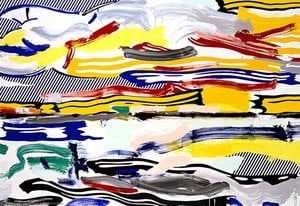
Roy Lichtenstein: A Pop Art Pioneer
Roy Fox Lichtenstein, született New Yorkban 1923. október 27-én, a 20. század egyik legjelentősebb művészévé vált, aki az art világot alapvetően megreformálta. Emerte magából a pop art mozgalom központi figurájává, nem csupán tükrözve az ő korát, hanem aktívan feltárva annak paradoxumait, átalakítva hétköznapi képeket lenyűgöző művészi alkotásokká. Szülei, Milton és Beatrice Lichtenstein, egy jólétű zsidó családban éltek, ami a kulturális tudatosságot és korai művészeti vonzalomtér-teremtést is eredményezte. Gyermekkorában múzeumok látváraiban és koncerteknél töltött idő, valamint a jazz zeneművészet iránti szeretet megerősítette kreatív szellemet, amely megkísérelte kihívni a művészi hagyományok megszokott fogalmainak. Kezdetben realista rajzolás és festés foglalkoztatták, de formális tanulmányait 1939-ben a Reginald Marsh vezetésével kezdte meg az Art Students League-en, majd folytatta Ohio State Egyetemen – rövid időre háborús szolgálat közepette. Ezek az élmények biztosítják egy erős művészi alapot, melyet később a tömegkultúra és kereskedelmi esztétika szemszögén keresztül újragondolt. A stílusának jellegzetes vonásai nem a művészeti hagyományok hívőképű termeiben keltek életbe, hanem a mindennapi képek világában, különösen a képregényekben és reklámokban.
Az Abstrakt Ekspreszionizmusból a Tömegkultúra felé
Lichtenstein korai művei egyértelműen tükrözték az absztrkt ekspreszionista áramlatok befolyását, amely a háború utáni időszak domináns esztétikai vonása volt. Azonban ez a fázis átmeneti volt, egy lépcsőfok a forradalmi stílusához vezető út mentén. A kulcshapontot a Rutgers Egyetemen érte el, ahol Allan Kaprow befolyására Lichtenstein újra felkeltett művészi érdeklődést a proto-pop képek iránt. Ez az ütközés jelentős változást hozott a művész pályáján, mely arra ösztönözte, hogy megkérdezze a „magas” és “alsó” művészet közötti hagyományos határokat. Kinyúlt a szubjektív kifejezésen túlmutató világ felé, különösen a képregények és reklámok iránti érdeklődésre koncentrálva. 1961-ben *Look Mickey* című műve jelent meg, amely egy Disney képregény karaktereket ábrázolt, ezzel jelölve meg a stílusának kialakulásának kezdetét. Ez nem csupán másolat volt; hanem művészi felülértékelés, mely hétköznapi képeket emeltek művészeti alkotássá. Lichtenstein nem csupán másolta a képregényeket, hanem a nyomatási technikákat is felhasználta, hogy szimbolikus módon ábrázolja az eredeti művet és a tömegtermelés közötti különbséget. Az appropriáció nem volt kritikátlan ünneplés a fogyasztói kultúrának, hanem annak terjedésének feltárása az amerikai társadalomra és a művészi hierarchiák megkérdőjelezése.
A Ben-Day Pontok és a Merész Vonalak Nyelve
Lichtenstein művészeti szókincse azonnal felismerhető: merőleges színek, vastag fekete vonalak és legfőképpen a Ben-Day pontok – egy technikát, amelyet közvetlenül a képregények mechanikus reprodukciójából vett át. Ezek a pontok nem csupán dísztárgyak voltak; hanem integrálisan kapcsolódtak művész koncepciós keretében is. A művész nem csak a képregényeket másolta, hanem a nyomatási folyamatokat is felhasználta, hogy szimbolikus módon ábrázolja az eredeti művet és a tömegtermelés közötti különbséget. *Whaam!* (1963), *Drowning Girl* (1963) és *Oh, Jeff…I Love You, Too…But…* (1964) című alkotások ikonikus példák a pop artnak, amelyek a háború, a szerelem és a társadalmi elvárások témáit ábrázolják a masszív média vizuális nyelvével. Ezek nem csupán képregény jelenetek voltak; hanem kommentárok az amerikai társadalom fogyasztói kultúrájára és a művészi eredettség megkérdőjelezésére. A művész célja, hogy eltávolítsa minden előzetes művészi szubjektivitást, bemutatva a művészetét objektív tükörképként az amerikai társadalomra nézve – egy tükör, amely tükrözi saját gyártott valóságát. A lapos megjelenés és a festői gesztus hiánya tovább hangsúlyozta ezt a szétválást, mimikázva a tömegtermelés ipari jellegét.
Hagyatag és Tartós Hatás
Lichtenstein hatása kiterjed a festészet világán túl is. Innovatív technikái és az appropriáció megnyitották az utat új generációk művészek előtt, akik a fogyasztói kultúra, a média túltöltsége és a kulturális identitás témáival foglalkoznak. *Masterpiece* 2017-es árverési értéke 165 millió dollárt jelentett, ami megerősítette helyét az amerikai művészet egyik legsikeresebb művésze között. Aztán a hatása nem csupán pénzbeli értékben mérhető; hanem egy olyan örökséget hordoz, amely továbbra is inspirálja a grafikusokat, illusztrátorokat és vizuális alkotókat világszerte.
Főbb eredmények:
- Pop art stílus megteremtése
- Nemzetközi elismertség elérése innovatív kiállításokkal
Bemerkendezendő művek:
- Whaam!
- Drowning Girl
- Oh, Jeff…I Love You, Too…But…
- Masterpiece
Tanítási karrier:
- Hatott fiatal művészekre az SUNY Oswego-n és a Rutgers Egyetemen.
Lichtenstein 1997. szeptember 29-én, halála után, egy olyan művészeti alkotásokat hagyott hátra, amelyek ma is ugyanolyan relevánsak és provokatívak, mint ahogy a pop art virágzásának időszakában voltak. Művei egy güçlü emlékeztető a masszmédia befolyására és képességére, hogy alakítsa percepciós képességeinket. Nem csupán tükrözte az ő korát; hanem aktívan feltárta annak paradoxumait, megmaradva a 20. századi művészet történelem egyik legjelentősebb alakja.



 Megtekintés
 Kézzel festett másolat rendelése
 Küldés
 Megosztás
 Részletek

 Letöltés
 Hasonló darabok
 X-ray felvétel
 Diavetítés
 Stats
Stats

 Összes részlet megjelenítése






































 Az üvegkeretes opció csak 110 cm alatti méretben érhető el