A művész életrajza
Early Life and Artistic Beginnings
Itzhak Avraham ben Zeev Spiegelman, better known as Art Spiegelman, was born in Ontario, Canada, on February 15, 1948 – a date that would profoundly shape his life and artistic trajectory. His early years were marked by a quiet, observant nature, a characteristic that would later inform the meticulous detail and poignant storytelling found throughout his work. While he displayed an aptitude for art from a young age, it wasn’t until his final year of high school that his creative ambitions truly began to coalesce. This period proved pivotal, providing him with the foundational skills and a burgeoning sense of purpose that would guide him toward a career dedicated to visual narrative. Spiegelman's early exposure to comics, particularly those published in pulp magazines, ignited a fascination with sequential art – a medium he would ultimately master and reshape through his own unique vision.
The Rise of Parodic Comics and Early Influences
Spiegelman’s professional journey began unexpectedly in the mid-1960s, landing him a position at Topps, the iconic bubblegum and trading card company. This seemingly disparate role provided a crucial financial lifeline while simultaneously exposing him to the world of commercial illustration and, crucially, the burgeoning underground comix scene. It was during this time that he collaborated with other artists on series like *Wacky Packages*, injecting subversive humor and clever visual gags into familiar product packaging. These early experiences weren’t merely a means of earning a living; they were formative, introducing him to techniques of rapid illustration, collaborative creativity, and the power of unexpected juxtapositions – elements that would later become hallmarks of his distinctive style. The influence of artists like Jack Kirby and Roy Thomas, prominent figures in Marvel Comics at the time, subtly shaped his approach to storytelling and visual composition.
The Groundbreaking *Maus* and Recognition
Spiegelman’s most significant achievement undoubtedly lies in *Maus*, a Pulitzer Prize-winning graphic novel published in 1991. This profoundly moving work depicts Spiegelman's father, a Holocaust survivor, as a mouse and his Nazi persecutors as cats – a powerful metaphor that brilliantly conveys the horrors of genocide while simultaneously exploring themes of memory, trauma, and intergenerational relationships. The creation of *Maus* was a deeply personal and emotionally demanding undertaking, spanning over thirteen years and requiring Spiegelman to confront difficult truths about his family history. Its innovative use of black-and-white imagery, coupled with its unflinching portrayal of suffering, established *Maus* as a watershed moment in the history of comics – elevating the medium from pulp entertainment to a respected form of literature. The book’s success brought Spiegelman international acclaim and solidified his position as a leading voice in contemporary art.
Collaboration and Expanding Horizons: *Arcade*, *Raw*, and *The New Yorker*
Following the monumental success of *Maus*, Spiegelman continued to collaborate with his wife, Françoise Mouly, on a series of ambitious projects. Together, they co-edited *Arcade* (1993), a magazine dedicated to showcasing alternative comics talent, playing a vital role in nurturing and promoting emerging artists from around the world. They also launched *Raw* (1980-1991), an oversized comic book magazine that broke ground with its mature themes, gritty artwork, and focus on diverse voices within the underground comix scene. In 1992, Spiegelman joined *The New Yorker*, contributing as a regular artist and editor for over two decades. This move allowed him to reach a wider audience and further explore his artistic interests through a variety of projects, including satirical illustrations and personal essays. His work for *The New Yorker* demonstrated his versatility and continued commitment to pushing the boundaries of visual storytelling.
Legacy and Continuing Influence
Art Spiegelman’s impact on art and culture is undeniable. He not only revolutionized the way comics are perceived – transforming them from a niche genre into a respected medium for serious artistic expression – but also profoundly influenced generations of artists, writers, and thinkers. His work has been studied in academic settings, inspiring critical analysis and fostering dialogue about important social and historical issues. Spiegelman’s commitment to truth-telling, his willingness to confront difficult subjects with honesty and empathy, and his innovative approach to visual narrative continue to resonate today. In September 2022, he was awarded the National Book Foundation Medal for Distinguished Contribution to American Letters, a testament to his enduring legacy as one of the most important artists of our time. His work serves as a powerful reminder of the transformative potential of art and its ability to illuminate the human condition.



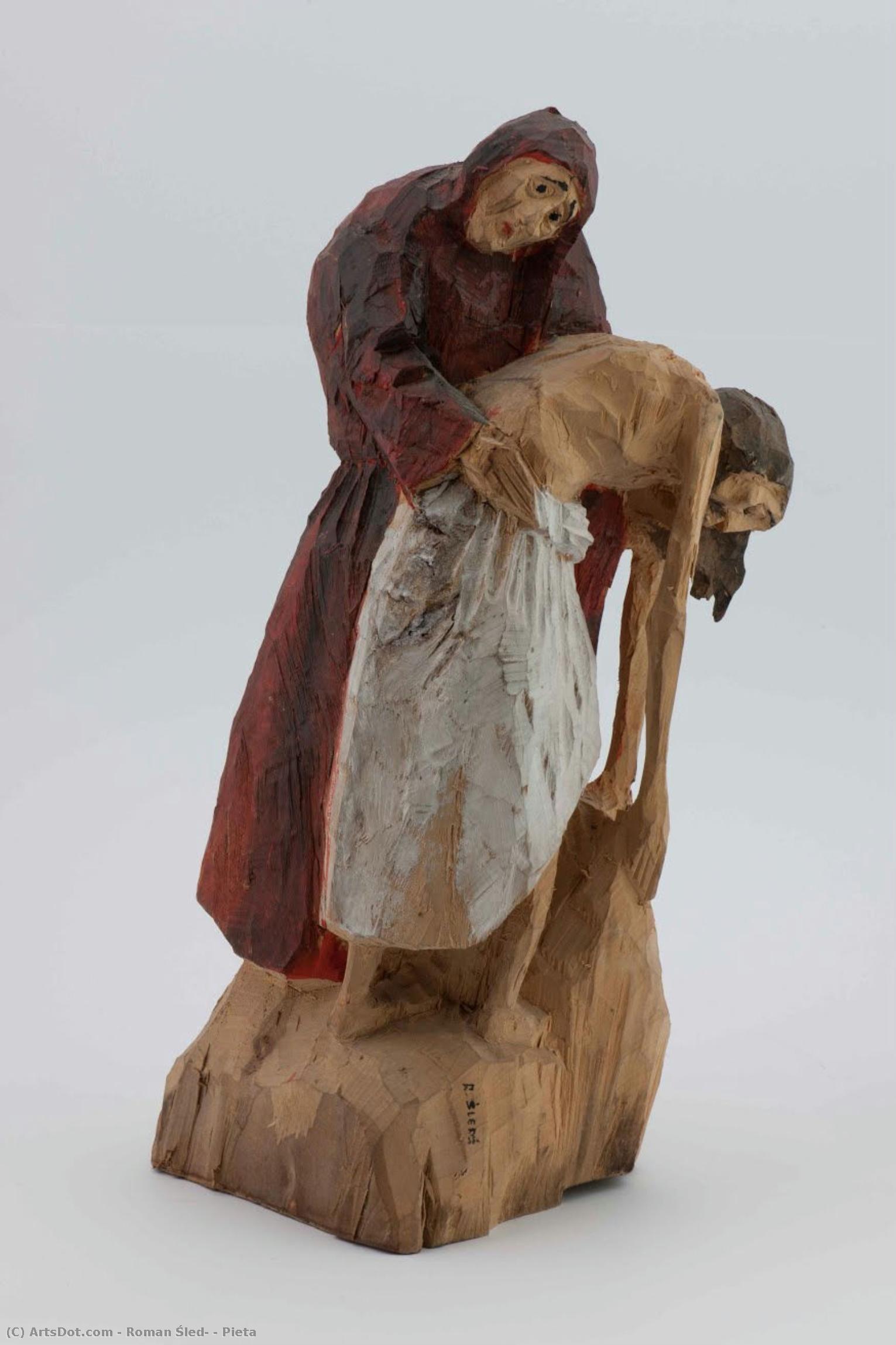
 1991
1991 39.0 x 17.0 cm
 The Polish Museum in Rapperswil
 Nyomat rendelése


 Megtekintés
 Küldés
 Megosztás
 Részletek

 Letöltés
 Hasonló darabok
 X-ray felvétel
 Diavetítés
 Összes részlet megjelenítése




































 Az üvegkeretes opció csak 110 cm alatti méretben érhető el


![[indian Woman And Child] — Charles Marion Russell, Folk Art](/media/artworks/images-thumb/f7/b5/f7b5e9cfd7a06e70bccf9f5bda620235.jpg)


