INGYENES MŰVÉSZETI TANÁCSADÁS

x
Készíttetnék festményként Készíttetnék festménykéntKép letöltése Kép letöltése MegosztásMegosztás

DetailsDetails Kedvencekhez ad Kedvencekhez ad LetöltésLetöltés Hasonló alkotásokHasonló alkotások X-RayX-Ray DiavetítésDiavetítés

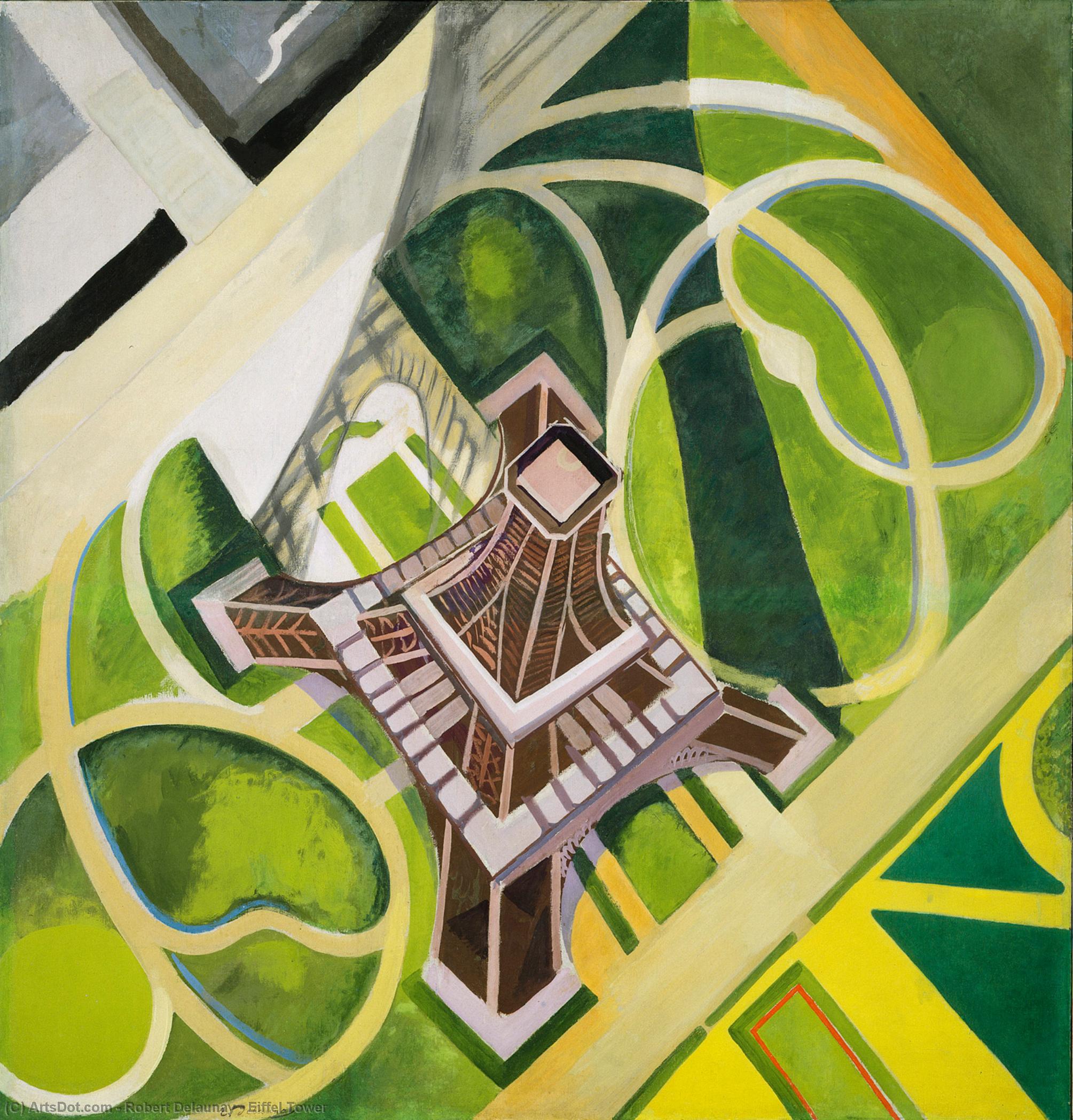
Eiffel Tower

A Pioneer of Abstract Color: The Life and Art of Robert Delaunay Delaunay wasn’t merely interested in *representing* the world; he sought to capture its very essence through a vibrant language of geometric shapes and luminous hues, co-founding the Orphism movement with his wife, Sonia Delaunay, and others who shared their vision. His early life was marked by a degree of instability – his parents

Robert Delaunay (1885-1941) francia festő, az orfizmus megteremtője! Fedezze fel vibráló színeket, geometrikus formákat és a Párizsi Torony ikonikus ábrázolásait. Kulcsszereplő a modern művészetben!

Giclée / Műnyomat

Múzeumi minőségű giclée vagy vászonnyomat, gyors gyártással és rugalmas finomítási lehetőségekkel.

P118B $10
P118H $10
P118W $10
P438Z $10
P508JH $12
P508YH $12
P805H $10
P805Z $10
P919BZ $10
P919G $10
P919XJ $10
P959ZH $10
P968JZ $12
W106C $8
W218G $10
W218JH $8
W218Y $10
W307PJ $10
W316G $10
W316PJ $8
W316Y $10
W398PJ $8
W4111J $10
W500HY $15
W500JH $15
W692G $12
W849H $8
W940BG $15
W953PJ $8

Standard
custom
CM
INCH

Válasszon előre meghatározott méreteink közül, amelyek megfelelnek a műalkotás eredeti arányainak.

szélesség
magasság

Megadhat saját méreteket is egy konkrét kerethez vagy helyszínhez igazítva. Amennyiben a kiválasztott méret nem egyezik az eredeti kép arányokkal, a műalkotást le fogjuk vágni, vagy kiegészítjük a képet tükrözött vagy egyszínű szélekkel. A gyártás megkezdése előtt egy digitális tervezetet küldünk jóváhagyásra.
Kérjük, vegye figyelembe, hogy a képernyőn látható előnézet nem tükrözi a tényleges levágást vagy kiegészítést. Csak a tervezet mutatja pontosan a végső kompozíciót.
Bár az egyedi méretek is elérhetőek, az eredeti arányok megőrzése érdekében azt javasoljuk, hogy válasszon a előre meghatározott listából származó méretet.

Világszerte történő kiszállítás területére 2 hét alatt, a szokásos 4-5 hét helyett. 2 július

why_choose_icon
Ingyenes globális expressz szállítás
why_choose_icon
Prémium minőségű len vászon
why_choose_icon
Teljes szállítási biztosítás
why_choose_icon
Vámvisszatérítési Garancia
why_choose_icon
Tökéletes színpontosság garancia
why_choose_icon
60 napos visszaküldési lehetőség (csak gyártási hibák esetén)
why_choose_icon
100%-os pénzvisszatérítési garancia
why_choose_icon
Kedvezmény több termény esetén

Összesen

-

reproduction

Eiffel Tower

Giclée / Műnyomat

A reprodukció mérete

-

Összesített ár

-

Rövid tények

  • Artist: Robert Delaunay
  • Movement: Orphism
  • Title: The Eiffel Tower
  • Notable elements or techniques: Geometric shapes, luminous hues
  • Medium: Painting

Művészeti kvíz

Minden kérdésre csak egy helyes válasz létezik.

Kérdés 1:
What artistic movement is Robert Delaunay associated with?
Kérdés 2:
Who collaborated with Robert Delaunay on the Orphist movement?
Kérdés 3:
What is a characteristic feature of Delaunay's painting style?
Kérdés 4:
The image description mentions swirling lines and circular motifs. What is the purpose of these elements in Delaunay's artwork?
Kérdés 5:
Robert Delaunay’s work is considered influential in the development of what broader artistic trend?

Termékinformációk

A Symphony of Light and Color: Exploring Robert Delaunay’s Orphism

Robert Delaunay's contribution to modern art transcends mere visual representation; it embodies a profound philosophical shift toward capturing the intangible essence of experience itself. Born in Paris in 1885, Delaunay initially honed his skills in decorative arts before embarking on an artistic odyssey that would propel him to the forefront of the burgeoning abstract movement—specifically Orphism—a collaborative effort with his wife Sonia Delaunay. This groundbreaking style wasn’t simply about abandoning realism; it was about embracing a radical new approach to color and form, driven by influences from Cubism and Futurism but ultimately forging its own distinctive path.

The Genesis of Orphism: Influences and Innovation

Delaunay's artistic vision drew heavily from the revolutionary ideas circulating within European intellectual circles at the time. The geometric rigor of Cubism, pioneered by Picasso and Braque, provided a framework for dissecting visual perception and reconstructing images in fragmented planes—a technique that Delaunay skillfully adapted to his own aesthetic sensibilities. Simultaneously, Futurism’s fascination with speed, dynamism, and technological advancement instilled in him a desire to express movement and energy on canvas. However, unlike these movements which primarily focused on depicting objects realistically, Delaunay sought to transcend the limitations of representation altogether. He argued that color itself possessed inherent expressive power—that it could convey emotions and sensations directly, bypassing the need for detailed depiction.

Technique and Material: Embracing Luminosity

Delaunay’s distinctive technique involved layering translucent pigments onto canvases stretched over wooden frames. This method allowed him to achieve remarkable luminosity—a radiant glow that seemed to emanate from within the painted surface. He meticulously applied thin washes of color, often blending them seamlessly together, creating an illusion of depth and movement. The use of complementary colors—such as yellow and violet—was particularly prominent in his compositions, intensifying their vibrancy and generating a captivating interplay of hues. Furthermore, Delaunay experimented with innovative materials like casein emulsion, which offered superior adhesion and allowed for subtle tonal variations that would have been impossible to achieve with traditional oil paints.

Symbolism Within Abstraction: Exploring Emotional Resonance

Despite its apparent simplicity, Orphism is laden with symbolic meaning. Delaunay’s canvases aren't merely decorative; they are meditations on the nature of perception and emotion. Recurring geometric shapes—circles, squares, triangles—represent fundamental concepts such as unity, stability, and dynamism respectively. The vibrant colors themselves serve as conduits for conveying feelings of joy, passion, and spiritual awakening. Critics have interpreted Delaunay’s work as reflecting a desire to escape the constraints of bourgeois society and embrace a more liberated aesthetic—a yearning for beauty and harmony amidst the chaos of modern life.

Legacy and Influence: Shaping Modern Art

Robert Delaunay's influence extends far beyond his own lifetime, shaping the trajectory of subsequent artistic movements. His pioneering exploration of color and abstraction paved the way for Surrealism and Constructivism, demonstrating that art could communicate ideas and emotions without relying on conventional visual representations. Today, Delaunay’s paintings continue to inspire artists and designers alike, reminding us that true beauty lies not in meticulous imitation but in capturing the transformative power of imagination—a testament to his enduring legacy as one of the fathers of modern art.

Hasonló műalkotások


A művész életrajza

Robert Delaunay (1885-1941): A Pioneer of Abstract Color

Robert Delaunay, born in Paris in 1885, emerged as a pivotal figure in the radical artistic shifts of the early twentieth century. Though initially drawn to more traditional forms of painting—particularly decorative arts—his journey swiftly propelled him toward an exploration of color and light that would ultimately define his legacy and contribute significantly to the birth of abstract art. Delaunay wasn’t merely interested in *representing* the world; he sought to capture its very essence through a vibrant language of geometric shapes and luminous hues, co-founding the Orphism movement with his wife, Sonia Delaunay, and others who shared their vision. His early life was marked by instability—his parents divorced when he was young, and he was raised by relatives—but this perhaps fostered an independent spirit that would serve him well in challenging artistic conventions. He initially pursued decorative arts, but quickly gravitated towards painting, exhibiting at the Salon des Indépendants as early as 1904, demonstrating a burgeoning talent and ambition.

Early Influences and Divisionism

Delaunay’s formative years were shaped by exposure to Impressionist painters like Monet and Sisley, whose techniques of capturing fleeting moments of light influenced his initial artistic endeavors. However, he soon moved beyond simply replicating optical phenomena; he began to investigate the expressive potential of color itself. A crucial friendship with Jean Metzinger proved instrumental during this period, as they collaboratively explored the possibilities of fragmented forms and mosaic-like compositions—a technique known as Divisionism, championed by Georges Seurat and Signac. This approach involved applying small, distinct dots of color to create a shimmering effect, meticulously calculated to maximize visual impact. Delaunay’s meticulous attention to detail and his fascination with scientific principles—particularly Michel-Eugène Chevrul’s research into optical perception—were hallmarks of this early phase. He diligently studied the work of Cézanne and Picasso, absorbing their innovative approaches to form and perspective, preparing him for the transformative developments that would soon unfold.

Cubism and Beyond

The burgeoning influence of Cubism, spearheaded by Pablo Picasso and Georges Braque, irrevocably altered Delaunay’s artistic trajectory. Recognizing the merit in dissecting objects into geometric components—a method radically opposed to traditional representation—he embraced this revolutionary style alongside Metzinger. However, unlike his peers who adhered strictly to analytical Cubism, Delaunay championed a more synthetic approach, fusing disparate viewpoints and textures into dynamic arrangements of color and light. This distinction solidified his position as a visionary artist who dared to transcend established artistic boundaries. His bold experimentation with color—particularly the vibrant hues characteristic of the Fauvist movement—established him as a pioneer in challenging conventional aesthetic norms.

The Birth of Orphism: Color as Emotion

Delaunay’s most enduring contribution to art history lies in his co-creation of Orphism, a term coined by poet Guillaume Apollinaire and signifying an uncompromising commitment to abstraction. Rejecting representational illusion altogether, Orphism aimed to evoke emotional responses through pure chromatic intensity—a concept central to Delaunay’s artistic philosophy. He believed that color wasn’t merely a descriptive element but an active force capable of shaping our experience of reality. This conviction fueled his groundbreaking series depicting the Eiffel Tower, where he meticulously deconstructed the iconic structure into intersecting planes and luminous hues—not as depictions *of* the tower itself, but rather as explorations of how light transformed its appearance. Delaunay’s theoretical framework—the notion of “simultanéité”—asserted that colors interact with each other, generating unforeseen sensations and perceptions.

Legacy and Influence

Robert Delaunay’s influence extended far beyond the confines of Orphism and Cubism. His pioneering work resonated deeply with artists like Paul Klee, Franz Marc, August Macke, and even Russian avant-garde movements—artists who similarly embraced abstraction and rejected traditional artistic conventions. He wasn’t simply creating paintings; he was developing a conceptual underpinning for understanding the relationship between color, light, and perception. His legacy continues to inspire artists today, reminding us that art possesses the capacity to fundamentally reshape our comprehension of the world around us—a testament to Delaunay’s enduring vision as one of the foremost innovators of modern art. He died prematurely in 1941, leaving behind a remarkable body of work that cemented his place among the titans of twentieth-century artistic expression.
Robert Delaunay

Robert Delaunay

1885 - 1941 , Franciaország

Rövid tények

  • Artistic Movement Or Style: Orphism, Cubism
  • Artists Or Movements Influenced By This Artist: ['Der Blaue Reiter']
  • Artists Who Influenced This Artist: ['Paul Klee']
  • Date Of Birth: April 12, 1885
  • Full Name: Robert Delaunay
  • Nationality: French
  • Notable Artworks:
    • Eiffel Tower
    • Simultaneous Contrasts
    • Windows Open Simultaneously
  • Place Of Birth: Paris, France
Fedezze fel a műalkotásokat témák, stílusok és jellemzők szerint csoportosítva.