INGYENES MŰVÉSZETI TANÁCSADÁS

x
Nyomat vásárlása Nyomat vásárlásaKép letöltése Kép letöltése MegosztásMegosztás

DetailsDetails Kedvencekhez ad Kedvencekhez ad LetöltésLetöltés Hasonló alkotásokHasonló alkotások X-RayX-Ray DiavetítésDiavetítés

Perdita

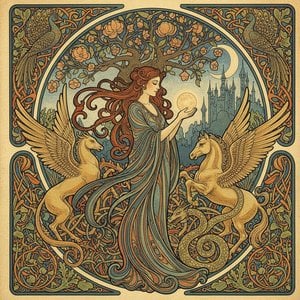
Discover 'Perdita' by Robert Anning Bell – a stunning Art Nouveau illustration of a young woman in a lush garden. Explore this Victorian-era beauty & its symbolic depth.

Discover Robert Anning Bell’s intricate illustrations & designs! Victorian artist known for ex-libris, book art, mosaics, & London landmarks. Explore his legacy in British art.

Kézzel készített olajfestmény reprodukció

Kézzel festett olajvastú vászon, az Ön által választott méretben és keretben, művészeink készítik meglévőre.

Standard
custom
CM
INCH

Válasszon előre meghatározott méreteink közül, amelyek megfelelnek a műalkotás eredeti arányainak.

szélesség
magasság

Ön megadhat saját méreteket egy adott kerethez vagy térhez igazításhoz. Ha a kiválasztott méret nem egyezik az eredeti kép arányával, akkor a műalkotást levágjuk, vagy további kézzel festett elemekkel meghosszabbítjuk a festményt. A gyártás megkezdése előtt küldünk Önnek egy digitális előnézetet jóváhagyásra.
Kérjük, vegye figyelembe, hogy a képernyőn megjelenő előnézet nem tükrözi a tényleges vágást vagy kiterjesztést. Csak az előnézet fog pontosan mutatni a végső kompozíciót.
Bár egyedi méretek állnak rendelkezésre, javasoljuk, hogy válasszon egy méretet az előre meghatározott listából az eredeti arányok megőrzése érdekében.

Példák arra, mit lehet módosítani: az arc kicserélése az ügyfél fotójára; háziállat hozzáadása (pl. macska helyett kutya); rejtett üzenet elhelyezése a háttérben; a háttér tájának vagy elemeinek megváltoztatása.
A rendelést követően a WahooArt.com csapata e-mailt küld az ügyfélnek az instrukciókért, és biztosít egy előnézeti képet (mockup).

Világszerte elérhető szállítás () 3-4 hét alatt a szokásos 5 hét helyett. (2 július). A minőség nem kérdőjelezhető.

why_choose_icon
Ingyenes globális expressz szállítás
why_choose_icon
Prémium minőségű len vászon
why_choose_icon
Teljes szállítási biztosítás
why_choose_icon
Vámvisszatérítési Garancia
why_choose_icon
Tökéletes színpontosság garancia
why_choose_icon
60 napos visszaküldési lehetőség (csak gyártási hibák esetén)
why_choose_icon
100%-os pénzvisszatérítési garancia
why_choose_icon
Kedvezmény több termény esetén

Összesen

-

reproduction

Perdita

Reprodukciós technika

A reprodukció mérete

-

Összesített ár

-


A művész életrajza

Edvard Munch: A Soul Exposed

Edvard Munch (1863 – 1944) stands as one of the most profoundly influential and emotionally resonant figures in modern art. Born in Løten, Norway, into a family marked by illness and loss, his early life was steeped in anxiety and foreshadowed the themes that would dominate his artistic output for over six decades. More than simply a painter, Munch crafted an intensely personal visual language—a direct conduit to the anxieties and spiritual uncertainties of the modern age. His work, characterized by its raw emotion, distorted forms, and unsettling color palettes, continues to captivate and disturb viewers alike, cementing his legacy as a pioneer of Expressionism and a master of conveying psychological states.

Early Life and Influences: A Cradle of Sorrow

Munch’s childhood was profoundly shaped by tragedy and illness. The death of his mother when he was only five years old, followed by the loss of his sister to tuberculosis and later his father and brother, instilled in him a deep-seated awareness of mortality and suffering. These experiences weren't merely biographical details; they became the bedrock of his artistic vision. He described his life as being “watched over” by “black angels,” reflecting the pervasive sense of dread that permeated his existence. His early exposure to Kristiania’s bohemian scene, a vibrant community of artists and writers challenging societal norms, provided an alternative intellectual environment. Figures like Christian Krohg encouraged him to explore his inner world through art, urging him to paint "soul painting"—a radical departure from the prevailing naturalist aesthetic of the time. The influence of French Impressionism and Post-Impressionists such as Paul Gauguin and Vincent van Gogh—particularly their use of color and expressive brushwork—also played a crucial role in shaping his evolving style.

The Emergence of a Distinctive Style: ‘The Scream’ and Beyond

Munch's artistic development was marked by a gradual shift from representational painting to an increasingly subjective exploration of emotion. His early works, such as *Madonna* (1893-94), demonstrated a growing interest in depicting psychological states rather than simply rendering external reality. However, it is arguably with *The Scream* (originally titled *Der Schrei der Natur*, or “The Cry of Nature”), created in 1893, that he achieved international recognition. This iconic image—a figure frozen in an expression of primal terror against a blood-red sky—became a symbol of modern anxiety and alienation. Following the success of *The Scream*, Munch embarked on the ambitious *Frieze of Life* series (1893–1900), a cycle of paintings depicting key stages of human existence: love, ecstasy, compassion, sexual frustration, illness, suicide, and death. These works are characterized by their intensely symbolic imagery and exploration of the darker aspects of the human psyche.

Technique and Symbolism: Color as Emotion

Munch’s technique was deliberately unconventional, prioritizing emotional impact over realistic representation. He frequently employed distorted forms, exaggerated perspectives, and jarring color combinations to convey his inner turmoil. Color played a particularly significant role in his work—not merely as descriptive elements but as vehicles for expressing mood and emotion. The fiery reds and oranges of *The Scream*, for example, evoke a sense of panic and impending doom, while the sickly greens and yellows often associated with illness and decay contribute to an atmosphere of unease. He also experimented extensively with printmaking, creating woodcuts and lithographs that served as both independent works of art and illustrations for his own writings. His use of line—often jagged and restless—further amplified the sense of agitation and instability present in many of his compositions.

Legacy and Historical Significance

Edvard Munch’s work profoundly impacted the development of Expressionism, influencing artists such as Ernst Ludwig Kirchner and Emil Nolde. His willingness to confront difficult emotions – grief, anxiety, despair – paved the way for a new era in art where subjective experience took precedence over objective representation. *The Scream*, in particular, has become one of the most recognizable images in Western culture, transcending its artistic origins to serve as a universal symbol of existential angst. Despite facing periods of mental instability and professional setbacks, Munch’s legacy endures, reminding us of the power of art to articulate the deepest recesses of the human soul and to capture the complexities of the modern condition. His work continues to be exhibited worldwide, inspiring contemplation and dialogue about the nature of human experience.
robert anning bell

robert anning bell

1863 - 1933 , United Kingdom

Rövid tények

  • Artistic Movement Or Style: Expressionism, Symbolism
  • Artists Or Movements Influenced By This Artist: ['German Expressionism']
  • Artists Who Influenced This Artist:
    • Vincent van Gogh
    • Paul Gauguin
  • Date Of Birth: December 12, 1863
  • Date Of Death: January 23, 1944
  • Full Name: Edvard Munch
  • Nationality: Norwegian
  • Notable Artworks:
    • The Scream
    • Madonna
  • Place Of Birth: Løten, Norway