


Múzeumi minőségű giclée vagy vászonnyomat, gyors gyártással és rugalmas finomítási lehetőségekkel. ( Kézzel festett másolat rendelése Kép letöltése)





























Válasszon előre meghatározott méreteink közül, amelyek megfelelnek a műalkotás eredeti arányainak.

Megadhat saját méreteket is egy konkrét kerethez vagy helyszínhez igazítva. Amennyiben a kiválasztott méret nem egyezik az eredeti kép arányokkal, a műalkotást le fogjuk vágni, vagy kiegészítjük a képet tükrözött vagy egyszínű szélekkel. A gyártás megkezdése előtt egy digitális tervezetet küldünk jóváhagyásra.
Kérjük, vegye figyelembe, hogy a képernyőn látható előnézet nem tükrözi a tényleges levágást vagy kiegészítést. Csak a tervezet mutatja pontosan a végső kompozíciót.
Bár az egyedi méretek is elérhetőek, az eredeti arányok megőrzése érdekében azt javasoljuk, hogy válasszon a előre meghatározott listából származó méretet.
Világszerte történő kiszállítás területére mindössze 2 hét alatt, a szokásos 4-5 hét helyett. (7 szeptember)


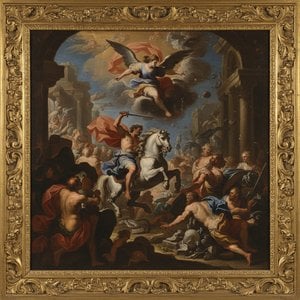
HERCULE SUR LE BUCHER
Reprodukció mérete
In the grand theater of the Baroque era, few images capture the raw intersection of human agony and divine destiny as poignantly as Guido Reni’s Hercules Sur Le Bucher. Painted during the height of the seventeenth century, this monumental work serves as a breathtaking window into a moment of profound mythological crisis. As the legendary hero Hercules prepares for his pyre, the canvas vibrates with an almost palpable tension. Reni does not merely depict a scene from antiquity; he orchestrates a cosmic drama where the muscular weight of the mortal form meets the swirling, ethereal uncertainty of the heavens. For the discerning collector or lover of classical beauty, this piece offers more than just visual splendor—it provides a window into the very soul of Baroque classicism.
The composition is a masterclass in directed movement, utilizing a sweeping diagonal trajectory that pulls the viewer’s gaze from the lower left toward the upper right. This upward surge mimics the hero's own struggle, creating a sense of breathless ascension amidst a turbulent sky. Reni employs chiaroscuro with unparalleled skill, casting deep, oppressive shadows that contrast sharply against the radiant light illuminating Hercules’ torso and face. This interplay of light and dark does more than create depth; it mirrors the internal conflict of a man caught between his earthly labors and his impending apotheosis. The flesh tones are rendered with an anatomical precision that celebrates the strength of the human spirit, while the surrounding clouds appear as restless, painterly strokes of grey and azure, suggesting a world in flux.
Beyond its striking visual impact, Hercules Sur Le Bucher is steeped in layers of symbolic meaning that resonate with anyone moved by themes of resilience and transformation. The figure of Hercules, stripped of his armor and vulnerable yet powerful, represents the eternal struggle against adversity. The swirling clouds and stormy atmosphere serve as metaphors for the chaotic forces of fate and divine intervention that govern the lives of even the greatest legends. In the context of interior design, such a piece acts as a profound focal point, bringing an air of intellectual depth and dramatic gravitas to any curated space. It is a work that demands attention, inviting contemplation on the nature of suffering and the eventual triumph of the heroic will.
The palette chosen by Reni—a sophisticated blend of earthy ochres, deep browns, and sudden flashes of ivory—grounds the mythological subject in a tangible, visceral reality. This careful balance of warmth and coolness ensures that the painting remains both emotionally accessible and aesthetically timeless. For those seeking to adorn a home or gallery with a high-quality reproduction, this artwork offers an unparalleled opportunity to embrace the elegance of the Italian Baroque. It is an invitation to live surrounded by art that does not merely decorate a wall, but tells a story of enduring strength, capturing a moment where the mortal and the divine collide in a spectacular display of artistic mastery.

Guido Reni, becéző nevén Le Guide, 1575-ben született Bolognában, Olaszországban. Daniele Reni zenész és Ginevra Pozzi, szintén zenei családból származó nő fia volt. Ez a környezet mély érzékét ébresztette benne a harmóniával és a formával kapcsolatban, ami később jelentősen befolyásolta művészi stílusát. Már kilencéves korában elkezdett tanulni Denis Calvaert flamand festőnél Bolognában. Albani és Domenichino társaságában képezte magát, megalapozva klasszikus elveket követő tudását.
Reni művészi karrierje több olasz várost is átfogott, beleértve Rómát, Nápolyt és szülővárosát, Bolognát. Korai munkái Calvaert és a Carracci testvérek hatását mutatják, hangsúlyozva az anatómiai pontosságot és a drámai kompozíciót. Azonban Reni hamarosan egyedi stílust alakított ki, amelyet elegáns klasszicizmus, kifinomult technika és érzelmi intenzitás jellemezett. A Bolognai Iskola meghatározó alakjává vált, amely az akadémiai képzésre és az idealizált formákra helyezte a hangsúlyt.
Reni életműve széles tárgykört ölel fel, beleértve vallási jeleneteket, mitológiai történeteket és allegorikus ábrázolásokat. Legünnepeltebb alkotásai közé tartoznak:
Reni stílusát gyakran eklektikus klasszicizmusként írják le. Ötvözte a klasszikus művészet pontosságát a barokk korszak dinamizmussal és érzelmeivel. Alakjai tipikusan idealizáltak, békés szépséggel és kecses mozgással rendelkeznek.
Guido Reni kulcsfontosságú szerepet játszott az olasz magas barokk stílus formálásában. Több generációt inspirált kifinomult technikájával, elegáns kompozícióival és érzelmi mélységével. Művei a világ számos neves múzeumában találhatók meg, beleértve a nápolyi Capodimonte Palotát is. Reni öröksége a festészeten túlmutat; kora tiszteletreméltő költője és intellektuális alakja volt.
Művészete ma is inspirálja az alkotókat és a művészet szerelmeseit, megerősítve helyét a 17. század egyik legfontosabb festőjeként. Hatása megfigyelhető a későbbi barokk művészeknél, akik kecsességét és érzelmi erejét kívánták utánozni.
Guido Reni 1642-ben halt meg Bolognában, gazdag művészeti örökséget hagyva maga után, amely a mai napig lenyűgözi a közönséget.

1575 - 1642 , Olaszország
Explore the breathtaking power of Baroque art. Delve into the dramatic interplay of light, shadow, and motion through the works of masters like Caravaggio. Discover how the era's intense emotional realism continues to inspire collectors and connoisseurs of classical grandeur.

Embark on a sophisticated journey through Italian Baroque art. Discover the dramatic interplay of light and emotion in Caravaggio’s masterpieces and explore how to bring this timeless grandeur into your collection with expert art insights.

 Megtekintés
 Küldés
 Megosztás
 Részletek

 Letöltés
 Hasonló darabok
 X-ray felvétel
 Diavetítés


 Összes részlet megjelenítése







 Az üvegkeretes opció csak 110 cm alatti méretben érhető el


