Megtekintés AR előnézet Váltás nyomtatványra Áttérés digitális képre Küldés
Részletek Útmutató Kedvencekhez ad Letöltés Hasonló darabok X-ray felvétel Diavetítés Q&A Statisztika

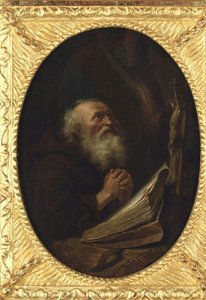
Saint Peter

A dramatic 1650 portrait of Saint Peter by Pietro Ricchi captures the saint with intense spatial projection and a weathered face, offering a profound glimpse into Baroque devotion that you can bring to your collection.

Explore the captivating works of Pietro Ricchi – Venetian painter known for religious scenes, biblical narratives & classical figures. Discover his art in Venice & Rome!

Az ezen az oldalon megjelenített műalkotások szerzői jogi védelem alatt állnak, ami azt jelenti, hogy törvényileg nem készíthetünk és nem adhatunk el belőlük pontos másolatokat. Ez a védelem olyan nemzetközi megállapodások alapján érvényesül, mint például a Berni Egyezmény és a nemzeti jogszabályok által, beleértve azokat is, amelyeket meghatározott Az USA szerzői jogi törvénye – 17. cím.

Mint tiszteletes és törvényes alternatívát, olyan egyedi, kézzel festett alkotásokat kínálunk, amelyek az eredetiből merítnek inspirációt. Tapasztalt és professzionális művészeink alaposan tanulmányozzák az eredeti stílusát, hangulatát és művészeti esszenciáját, hogy egy olyan új, egyedi alkotást hozzunk létre, amely ugyanazt az érzést kelti – miközben önálló, eredeti alkotásként létezik.

Ez a módszer teljes mértékben megfelel a szerzői jogi szabályozásnak, mivel nem tartalmazza a védett műalkotás másolását vagy duplikálását. Ehelyett ez egy kreatív újinterpretáció – egy új festmény, amely az eredetivel való összefüggései miatt hatással van rá, de nem az az.

Kézzel készített olajfestmény reprodukció

Kézzel festett olajvastú vászon, az Ön által választott méretben és keretben, művészeink készítik meglévőre. ( Váltás nyomtatványra Áttérés digitális képre)

Corner sample of the P118B picture frame: formázott polisztirol, 5 cm wide and 3 cm thick
P118B Ft10
Corner sample of the P118H picture frame: formázott polisztirol, 5 cm wide and 3 cm thick
P118H Ft10
Corner sample of the P118W picture frame: formázott polisztirol, 5 cm wide and 3 cm thick
P118W Ft10
Corner sample of the P438Z picture frame: formázott polisztirol, 5.5 cm wide and 3.5 cm thick
P438Z Ft10
Corner sample of the P508JH picture frame: formázott polisztirol, 7 cm wide and 3.5 cm thick
P508JH Ft12
Corner sample of the P508YH picture frame: formázott polisztirol, 7 cm wide and 3.5 cm thick
P508YH Ft12
Corner sample of the P805H picture frame: formázott polisztirol, 5 cm wide and 3.5 cm thick
P805H Ft10
Corner sample of the P805Z picture frame: formázott polisztirol, 5 cm wide and 3.5 cm thick
P805Z Ft10
Corner sample of the P919BZ picture frame: formázott polisztirol, 7 cm wide and 3.5 cm thick
P919BZ Ft10
Corner sample of the P919G picture frame: formázott polisztirol, 7 cm wide and 3.5 cm thick
P919G Ft10
Corner sample of the P919XJ picture frame: formázott polisztirol, 7 cm wide and 3.5 cm thick
P919XJ Ft10
Corner sample of the P959ZH picture frame: formázott polisztirol, 5 cm wide and 3 cm thick
P959ZH Ft10
Corner sample of the P968JZ picture frame: formázott polisztirol, 6 cm wide and 4 cm thick
P968JZ Ft12
Corner sample of the W106C picture frame: tömörfa, 5 cm wide and 3 cm thick
W106C Ft8
Corner sample of the W218G picture frame: tömörfa, 5 cm wide and 3 cm thick
W218G Ft10
Corner sample of the W218JH picture frame: tömörfa, 5 cm wide and 3 cm thick
W218JH Ft8
Corner sample of the W218Y picture frame: tömörfa, 5 cm wide and 3 cm thick
W218Y Ft10
Corner sample of the W307PJ picture frame: tömörfa, 6 cm wide and 3 cm thick
W307PJ Ft10
Corner sample of the W316G picture frame: tömörfa, 6 cm wide and 3 cm thick
W316G Ft10
Corner sample of the W316PJ picture frame: tömörfa, 6 cm wide and 3 cm thick
W316PJ Ft8
Corner sample of the W316Y picture frame: tömörfa, 6 cm wide and 3 cm thick
W316Y Ft10
Corner sample of the W398PJ picture frame: tömörfa, 5 cm wide and 3 cm thick
W398PJ Ft8
Corner sample of the W4111J picture frame: tömörfa, 6.5 cm wide and 3.5 cm thick
W4111J Ft10
Corner sample of the W500HY picture frame: tömörfa, 7 cm wide and 5 cm thick
W500HY Ft15
Corner sample of the W500JH picture frame: tömörfa, 7 cm wide and 5 cm thick
W500JH Ft15
Corner sample of the W692G picture frame: tömörfa, 8 cm wide and 4 cm thick
W692G Ft12
Corner sample of the W849H picture frame: tömörfa, 5 cm wide and 3 cm thick
W849H Ft8
Corner sample of the W940BG picture frame: tömörfa, 7.5 cm wide and 4.5 cm thick
W940BG Ft15
Corner sample of the W953PJ picture frame: tömörfa, 6 cm wide and 3.5 cm thick
W953PJ Ft8

Standard méret
egyedi méretű
CM
INCH

Válasszon előre meghatározott méreteink közül, amelyek megfelelnek a műalkotás eredeti arányainak.

szélesség
magasság

Írja be a kívánt szélességet és magasságot, hogy illeszkedjen a keretéhez vagy a falához. Mivel ez kézzel festett alkotás, egy eltérő formájú méret esetén a művész akár festhet is valamivel többet a kép körül, vagy korolathat is belőle — az Ön döntésének megfelelően. A festés megkezdése előtt küldünk egy digitális tervezetet jóváhagyásra. Az oldalon látható kép nem tartalmazza a végeredményt — csak a tervezet mutatja meg a valódi eredményt.

Példák arra, mit lehet módosítani: az arc kicserélése az ügyfél fotójára; háziállat hozzáadása (pl. macska helyett kutya); rejtett üzenet elhelyezése a háttérben; a háttér tájának vagy elemeinek megváltoztatása.
A rendelést követően a WahooArt.com csapata e-mailt küld az ügyfélnek az instrukciókért, és biztosít egy előnézeti képet (mockup).

Világszerte elérhető szállítás () 3-4 hét alatt a szokásos 5 hét helyett. (28 október). A minőség nem kérdőjelezhető.

Ingyenes globális expressz szállítás
Prémium minőségű len vászon
Teljes körű szállítási biztosítás
Vámvisszatérítési Garancia
Hiteles színarányosság garancia
100 napos visszaküldési lehetőség (csak hibás termékek esetén)
100% pénzvisszatérítési garancia
Több darab vásárlásakor kedvezmény

Összesített ár

Ft 87997

Saint Peter

Reprodukciós technika

Reprodukció mérete

-

Összesített ár

Ft 87997

Gyors információk

  • Artist: Pietro Ricchi
  • Title: Saint Peter
  • Artistic style: Baroque and Renaissance traditions
The painting represents Saint Peter half-length with his face turned to the right and the key in his hand. The usual expedient of spatial projection is applied to the image, which dilates the hands and heads in the foreground, overwhelming the entire visual field with them. On the back the panel bears a curious late-18th century

Kérdések és válaszok

„Saint Peter”, Pietro Ricchi alkotása erős kontrasztokat vagy lágy harmóniákat használ?

A "Saint Peter" alkotásban egy Gentle kontraszt párosul egy Unified Palette harmóniával.

Hol tekinthető meg az eredeti „Saint Peter”, Pietro Ricchi alkotása?

A „Saint Peter”, Pietro Ricchi alkotása kiállítva található a Castelvecchio Museum, Verona, Olaszország-ben. A múzeumi hivatkozás az eredeti műre vonatkozik, nem a reprodukciókra.

Hogyan építhető be „Saint Peter”, Pietro Ricchi alkotása a lakberendezésbe?

A "Saint Peter" művet Focal célokra javasoljuk, a legalkalmasabb helyszín pedig egy Living Room.


A művész életrajza

A Brush with Devotion: The Life and Art of Pietro Ricchi

Pietro Ricchi, a name resonating within the artistic heart of Venice and Rome, embodies a fascinating continuation of the Italian Renaissance tradition well into the 17th and 18th centuries. While biographical details remain somewhat elusive – a common trait for artists operating within the prolific workshops and patronage networks of the period – his surviving works speak volumes about his dedication to religious narrative, masterful technique, and a keen understanding of classical form. Ricchi wasn’t merely replicating styles; he was actively participating in a vibrant artistic dialogue that sought to reinvigorate sacred themes with dramatic intensity and emotional depth. His career unfolded during a time when the Baroque had begun its ascendance, yet his paintings reveal a deliberate balance between the dynamism of the new style and the enduring principles of Renaissance composition and idealized beauty.

Early Training and Venetian Roots

Born in Venice (the exact year remains unconfirmed), Ricchi’s artistic journey likely began within one of the city's numerous ateliers. Venice, a republic steeped in visual splendor, provided an unparalleled education for aspiring painters. The influence of masters like Titian, Veronese, and Tintoretto was inescapable – their use of color, light, and grand scale permeated the artistic atmosphere. It’s reasonable to assume Ricchi received training in drawing, anatomy, and fresco techniques, skills essential for a painter destined to adorn both canvases and ceilings with elaborate compositions. The lagoon city's unique environment also shaped his aesthetic sensibility; the interplay of water, light, and architecture likely informed his spatial arrangements and atmospheric effects. While specific mentors are undocumented, it’s clear that Ricchi absorbed the Venetian tradition of rich colorism and dramatic storytelling. His early works demonstrate a proficiency in depicting textures – silks, velvets, and flesh tones rendered with remarkable realism – hallmarks of the Venetian school.

Roman Commissions and Artistic Development

Ricchi's artistic trajectory took him to Rome, a pivotal move that broadened his horizons and exposed him to a different set of influences. The Eternal City was a magnet for artists from across Europe, drawn by the patronage of powerful families like the Barberini and the Farnese. Here, he encountered the works of Caravaggio and the High Baroque masters, witnessing firsthand the power of *tenebrism* – the dramatic use of light and shadow to create emotional impact. However, Ricchi didn’t simply adopt these new techniques wholesale. Instead, he synthesized them with his Venetian background, creating a distinctive style characterized by a harmonious blend of classical composure and Baroque dynamism. His Roman commissions often focused on religious subjects, particularly scenes from the lives of saints and biblical narratives. Paintings like those depicting Saint Paul showcase his ability to convey both physical action and spiritual fervor. The attention to detail in portraying architectural settings also suggests an engagement with the city’s rich historical landscape.

Themes and Techniques: A Synthesis of Tradition and Innovation

The core of Ricchi's artistic output lies in religious painting, specifically depictions of biblical stories and the lives of saints. He frequently chose subjects that allowed him to explore themes of faith, sacrifice, and divine intervention. His *Judith Painting* exemplifies his skill in portraying complex psychological states – Judith’s determination juxtaposed with Holofernes’ vulnerability. Beyond individual portraits of piety, Ricchi also undertook larger-scale projects, decorating churches and chapels with elaborate frescoes and altarpieces. A notable example is his work within the Basilica di San Pietro in Rome, where he contributed to the ongoing embellishment of this iconic structure. His technique reveals a meticulous approach to composition, often employing diagonal lines to create a sense of movement and drama. He was also adept at using color to guide the viewer’s eye and emphasize key elements within his paintings. The *Morra Players Art* demonstrates his ability to capture fleeting moments of tension and anticipation. Ricchi's engagement with classical sculpture – particularly Michelangelo’s work, as evidenced in studies after *Moses* – is apparent in the anatomical accuracy and idealized forms of his figures.

Historical Significance and Enduring Legacy

Pietro Ricchi occupies a unique position within the history of Italian art. He wasn't a revolutionary innovator like Caravaggio, but rather a skilled practitioner who successfully bridged the gap between Renaissance ideals and Baroque sensibilities. His work reflects a conscious effort to uphold artistic traditions while embracing new stylistic developments. While not as widely celebrated as some of his contemporaries, Ricchi’s paintings continue to captivate viewers with their technical brilliance, emotional depth, and compelling narratives. His contributions to the decoration of significant religious sites – particularly in Venice and Rome – ensure that his legacy endures. He represents a vital link in the chain of artistic transmission, demonstrating how Renaissance principles were adapted and reinterpreted by subsequent generations of painters. The continued appreciation for his art speaks to the timeless power of devotional imagery and the enduring appeal of masterful craftsmanship.