INGYENES MŰVÉSZETI TANÁCSADÁS

x
Nyomat vásárlása Nyomat vásárlásaKészíttetnék festményként Készíttetnék festményként MegosztásMegosztás
RészletekRészletek Kedvencekhez ad Kedvencekhez ad LetöltésLetöltés Hasonló alkotásokHasonló alkotások X-ray felvételX-ray felvétel DiavetítésDiavetítés

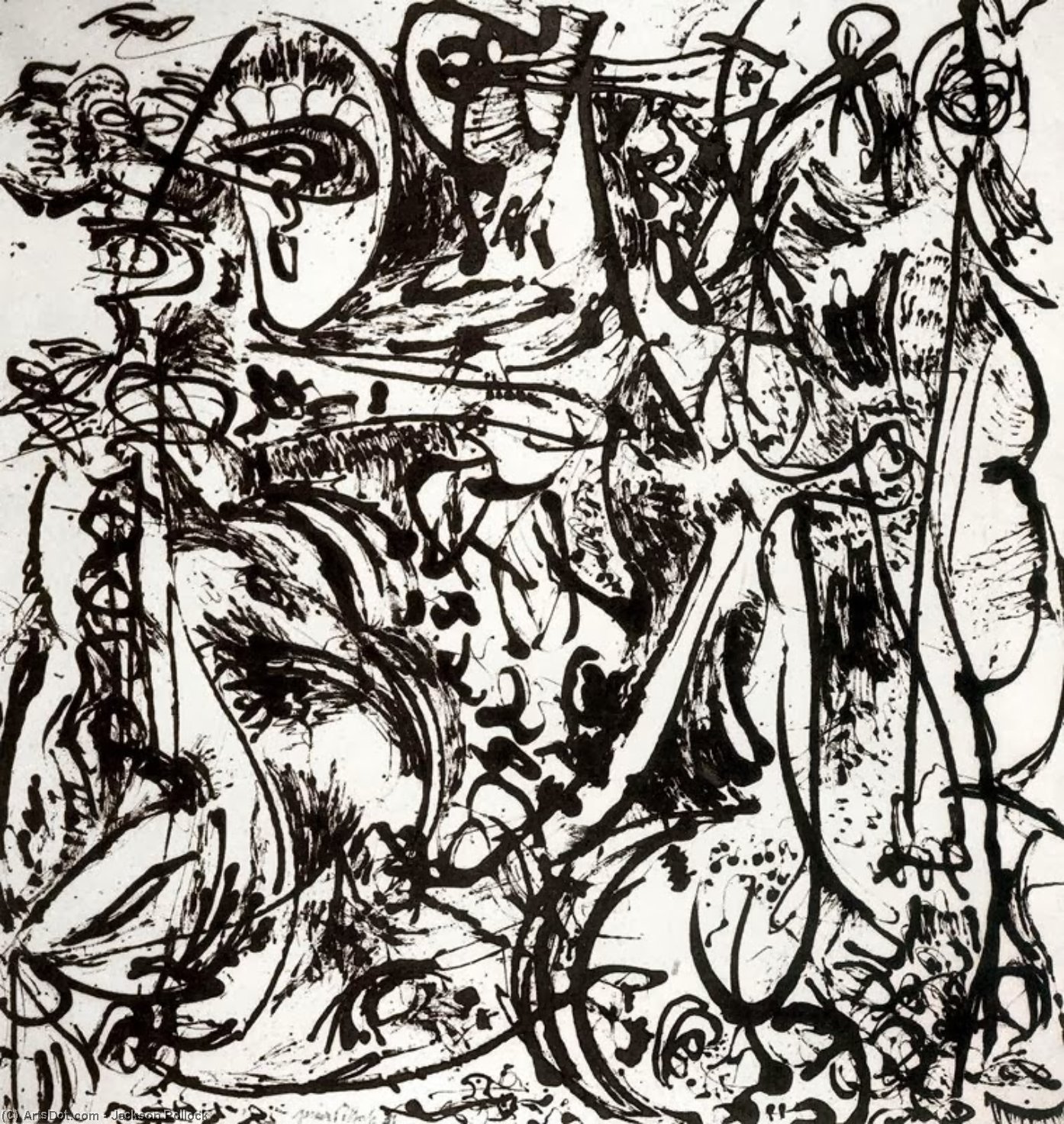
Echo

Paul Jackson Pollock (1912-1956) amerikai festő, az absztrakt expresszionizmus egyik alapítója. Drip technológiája, a képek spontán, dinamikus alkotásai, melyek a művész mozgását és érzelmeit tükrözik. #Pollock #AbsztraktExpresszionizmus

Vásároljon egy nagy felbontású, javított digitális képet, amely sokkal jobb minőségű, mint az online előnézet.

Minden fájlt szakembereink a legmodernebb eszközök és precíz, kézi retusálás segítségével készítenek el aprólékosan. Gondoskodunk arról, hogy minden kép kivételes tisztasággal, pontos színhelyességgel és részletgazdag finomsággal rendelkezzen.

A végleges fájl 72 órán belül e-mailben megérkezik, professzionális, szerkesztői és nyomtatási környezetbe optimalizálva az azonnali használathoz. Ez ugyanaz a minőség, amelyben a legmeghatározóbb tervezőstúdiók, kiadók és galériák is megbízhatnak.

Digitális alkotás

Töltsön le nagy felbontású fájlt személyes kiállításokhoz, nyomtatáshoz és kreatív projektekhez.

Összesen

$9.99

Minden digitális kép rendeléséhez tartozó extrák

Szakértői digitális kézbesítés, garantáltan

Amikor a WahooArt.com weboldalt választja, nem csupán egy képet kap – professzionálisan felmagasított digitális műalkotást kap, amely precizitással készült, és amelyet megelégsedési gwarancia tesz biztoslássá. Az alábbiakban automatikusan minden benne 】

shipping_icon
Gyors e-mail teslimítés

A nagy felbontású digitális képmásolatát a megrendelést követő 72 órán belül e-mailben elküldjük Önnek – azonnal használható formátumban.

canvas_icon
MI-alapú digitális feldolgozású fájl

Műve professzionális módon kerül optimalizálásra fejlett mesterséges intelligencia eszközök és manuális szerkesztés segítségével, biztosítva a maximális részletességet, tisztaságot és színpontosságot.

insurance_icon
Örök életű ingyenes újradelivery

Véletlenül törölted vagy elvesztetted a fájlodat? Ne aggódj – bármikor ingyenesen újra megküldjük neked.

tax_icon
Nincs importköltség – soha

Élvezze műalkotásait azonnal, vám, illeték vagy szállítási költség nélkül – a digitális letöltések mindig adamentesek.

color_icon
Színpontosság Garancia

Professzionális eszközök és színkezelés segítségével garantáljuk, hogy digitális képe a lehető legpontosabban tükrözze az eredeti színeket.

return_icon
60 napos elégedettségi garancia

Ha nemມີ elégedett a digitális képpel, 60 napon belül átmunkáljuk azt, vagy 100% visszatérítjük az amountot – kérdés nélkül.

guarantee_icon
100% Pénzvisszatérítési garancia

Nem érheted el a teljes elégedettséget? 60 napon belül teljes visszatérítést kapsz a digitális fájlod megérkezése után – kérdés बिना.

discount_icon
Tömegrendelési kedvezmények

Vásároljon 3 képet, spóroljon 10%-et - Vásároljon 5-öt, spóroljon 15%-et - Vásároljon 10+ képet, spóroljon 20%-at. Kiváló kreatív projektekhez, galériákhoz és ügynökségekhez.

Rövid tények

  • Year: 1951
  • Title: Echo
  • Notable elements or techniques: Drip Painting
  • Movement: Abstract Expressionism
  • Artistic style: Gestural abstraction
  • Influences: Regionalism
  • Location: MoMA

A gyűjtemény leírása

Echo: A Dance of Chaos and Control

Jackson Pollock’s “Echo,” Number 25, 1951, stands as a testament to the fervor of Abstract Expressionism—a movement that sought to liberate art from representational constraints and delve into the depths of human emotion. Captured in stark black and white photography, this drawing embodies the spirit of Pollock's innovative drip painting technique, prioritizing gesture and spontaneity over meticulous planning.

  • Composition: The image focuses on a cropped section of the canvas, eschewing traditional perspective to emphasize visual complexity. Shapes intertwine and overlap, creating an arresting field where the eye wanders without predetermined destination—a deliberate disruption of conventional artistic conventions.
  • Color Palette: Stripped bare of color, “Echo” utilizes grayscale tones with subtle gradations of grey, amplifying the artwork’s dramatic impact. This monochromatic choice underscores the painting's preoccupation with texture and form rather than visual illusion.
  • Technique: Executed in ink or charcoal on paper, the drawing showcases Pollock’s signature drip method—a process where paint is flung onto the canvas from a height, resulting in unpredictable patterns and textures. The fluid lines convey immediacy and emotional intensity.

The photograph's careful lighting reveals the surface texture of the artwork, highlighting the layering of marks that contribute to its overall visual density. It’s as if Pollock himself invited us into his studio, capturing a moment of creative fervor.

Roots in Regionalism and Early Influences

Paul Jackson Pollock's artistic journey began amidst the expansive landscapes of Wyoming—a formative experience that instilled in him an appreciation for natural forms and textures. His studies at the Art Students League under Thomas Hart Benton exposed him to the tenets of Regionalism, a movement advocating for art rooted in American identity and imbued with emotional resonance. Benton’s emphasis on rhythmic composition undoubtedly influenced Pollock's approach to visual storytelling.

Symbolic Resonance: Chaos as Expression

"Echo" isn't merely an exercise in abstract form; it speaks to a deeper psychological exploration. The chaotic arrangement of lines and shapes mirrors the turbulent inner landscape of the artist, conveying feelings of anxiety and dynamism simultaneously. Like many Abstract Expressionist works, “Echo” resists literal interpretation, inviting viewers to engage with its emotional core.

A Legacy of Innovation

Pollock’s groundbreaking technique—the drip painting—revolutionized artistic practice, establishing a new paradigm for visual expression. "Echo," Number 25, 1951 exemplifies this legacy, securing Pollock's place as one of the most influential figures in modern art and inspiring generations of artists to push boundaries and embrace spontaneity.

Hasonló műalkotások


Művész életrajza

Early Life and the Seeds of Innovation

Paul Jackson Pollock, born in Cody, Wyoming, in 1912, was a restless spirit from the outset. His early life was marked by frequent relocation as his father pursued work as a land surveyor across the vast landscapes of the American West. This itinerant existence instilled in young Pollock a deep connection to the natural world and an exposure to diverse cultures, particularly through encounters with Native American art during those surveying trips – impressions that would subtly permeate his artistic vision later in life. Though he never explicitly imitated Indigenous styles, the raw energy and spiritual resonance of these early experiences undoubtedly left their mark. Pollock’s formal artistic training began at the Manual Arts High School in Los Angeles, followed by studies at the Art Students League of New York under the tutelage of Thomas Hart Benton. Benton, a prominent figure in the Regionalist movement, emphasized rhythmic composition and narrative themes rooted in American life. While Pollock initially absorbed these lessons, his inherent inclination leaned toward more abstract explorations. He was also profoundly impacted by Mexican muralists like José Clemente Orozco, whose powerful depictions of social struggle resonated deeply with him. These early influences laid a foundation, but it was the burgeoning world of Surrealism that truly unlocked Pollock’s artistic potential.

The Birth of Action Painting and a Revolutionary Technique

The 1930s saw Pollock experimenting with various techniques, seeking alternatives to traditional brushwork. He began pouring paint, exploring its fluidity and unpredictable nature. However, it was around 1947 that his artistic trajectory underwent a radical transformation. Abandoning the easel altogether, Pollock laid canvases directly on the floor, initiating what would become known as his “drip technique.” He then proceeded to drip, splash, and fling paint onto the canvas from above, orchestrating a dynamic dance between artist, medium, and surface. This wasn’t merely about applying paint; it was about embodying the act of creation itself. Pollock's canvases became arenas for physical expression, capturing the immediacy of his gestures and emotions. The resulting paintings are characterized by their “all-over” composition – a lack of central focus that invites the viewer to explore the entire surface as a unified field of energy. Intricate networks of lines and colors intertwine, creating a visual complexity that is both captivating and challenging. He employed unconventional tools—sticks, knives, even syringes—to manipulate the paint in unpredictable ways, further emphasizing the spontaneous nature of his process.
  • He mixed unconventional materials into the paint, such as sand and tar.
  • His technique was a direct rejection of traditional brushwork and compositional rules.

Influence and Development

Pollock’s artistic journey wasn't solely defined by his groundbreaking drip technique. He drew inspiration from diverse sources, including the works of European modernists like Piet Mondrian and Wassily Kandinsky, as well as the vibrant murals of Mexican artists such as Diego Rivera. The influence of Surrealism is also evident in his early work, particularly his exploration of subconscious imagery and dreamlike landscapes. His time at the Art Students League under Thomas Hart Benton provided a crucial grounding in traditional painting techniques, which he later subverted to create his own unique style. His marriage to Lee Krasner was pivotal; she not only provided emotional support but also encouraged his artistic experimentation and helped him navigate the complexities of the New York art scene.

Iconic Works and Lasting Legacy

Pollock’s most celebrated works—such as Number 1, 1950 (Lavender Mist), One: Number 31, 1950, Blue Poles: Number 11, 1952, and *Convergence*—are testaments to his revolutionary technique. These paintings are not simply images; they are records of a performance, imbued with the artist’s physical presence and emotional intensity. The dynamic energy that emanates from these canvases is palpable, drawing viewers into a world of pure abstraction. Key Works:
  • Lavender Mist (1950)
  • One: Number 31 (1950)
  • Blue Poles (1952)
  • Convergence (1956)
His style transcends mere aesthetics; it's an exploration of process over product. Pollock sought to capture the immediacy of his actions and emotions on canvas, rejecting traditional notions of composition and representation. He delved into Jungian psychology, exploring archetypes and the subconscious in his art, seeking to tap into universal symbols and primal energies. Pollock’s impact on the history of art is immeasurable. He fundamentally altered the way artists approached painting, breaking free from easel-based methods and embracing a more performative approach. His work helped solidify New York City's position as a global center for modern art, shifting the focus away from European dominance. His influence can be seen in the work of countless artists who followed, including those associated with Color Field painting and later forms of abstract expressionism. Despite initial skepticism, Pollock’s legacy is now firmly established as one of the most important and influential figures in 20th-century art.
Jackson Pollock

Jackson Pollock

1912 - 1956 , Egyesült Államok

Rövid tények

  • Artistic Movement Or Style: Absztrakt expresszionizmus
  • Artists Or Movements Influenced By This Artist: ['Surrealizmus']
  • Artists Who Influenced This Artist: ['Thomas Hart Benton']
  • Date Of Birth: 1912. jan 28.
  • Date Of Death: 1956. aug 11.
  • Full Name: Paul Jackson Pollock
  • Nationality: Amerikai
  • Notable Artworks:
    • Number 1, 1950
    • Blue Poles
    • Convergence
  • Place Of Birth: Cody, Wyoming