A művész életrajza
Paul Cézanne élete és művészete: A modern festészet úttörője
Paul Cézanne, 1839-ben született Aix-en-Provence városában, a festészet történetének egyik legfontosabb alakja. Művészete híd volt az impresszionizmus szubjektív látásmódja és a kubizmus töredezett formái között. Élete nem a gyors elismerésről szólt; sokkal inkább egy lassú, mély művészi felfedezés időszaka, melyet kétségek és kritikai visszautasítások kísértek, végül pedig egy olyan örökséget eredményezett, amely gyökeresen megváltoztatta a modern művészet irányát. Cézanne tehetős családban született – apja kezdetben kalapos volt, később bankár –, ami szokatlan anyagi biztonságot biztosított számára, lehetővé téve, hogy szenvedélyének élhessen anélkül, hogy azonnali kereskedelmi sikert kellett volna elérnie. Bár apja eredetileg jogi pályára terelte, a művészi kifejezés vonzereje erősebbnek bizonyult, és végül festészetet kezdett tanulni, egy olyan döntés, amely meghatározta az életét. Korai hatásai közé tartozott a romantika és a barbizon iskola tájképekre való odafigyelése, de Paul Gauguin és Georges Seurat innovatív szín- és formamegoldásaival való találkozásán keresztül kezdett saját egyedi útját kialakítani.
A sötétségből a szerkezet felé: Cézanne stílusának fejlődése
Cézanne korai munkái gyakran tükrözték a romantikus festészet drámai, érzelmileg feltöltött témáit – sötét paletták és kifejező ecsetvonások domináltak vásztasain. Ez az első szakasz azonban csupán egy lépcsőfok volt egy sokkal analitikusabb és úttörőbb megközelítés felé. Elégedetlenkedve a fény pillanatnyi benyomásainak egyszerű rögzítésével, ahogyan azt az impresszionisták kedvelték, Cézanne elindult azon a küldetésen, hogy megértse és ábrázolja a tárgyak mögöttes szerkezetét. Nem csupán arra törekedett, hogy *mit* látott, hanem arra is, hogy *hogyan* érzékelte azokat az alapvető formákat, amelyek valóságot alkotják. Ez vezette őt ahhoz, hogy a természetes alakzatokat geometriai megfelelőikre bontsa – kúpos testekre, hengerekre, gömbökre –, évtizedekkel megelőzve ezzel a kubista forradalmat. Technikája apró, ismétlődő ecsetvonásokkal jellemezhető, melyeket gondosan rétegezett komplex szín- és textúramezők felépítésére, olyan szilárdság és mélység érzetét teremtve, amely korábban nem volt látható a festészetben. Nem érdekelte az illuzionisztikus tér; ehelyett gyakran mutatta be a tárgyakat egyszerre több nézőpontból is, kihívva ezzel a hagyományos perspektíva fogalmait és arra kényszerítve a nézőt, hogy aktívan részt vegyen kompozícióinak felépítésében. Ez szándékos torzítás nem öncélú volt, hanem egy teljesebb formamegértés megkísérlése, amely nem csupán egy pillanatnyi látványt ábrázolt, hanem a percepció szintézisét.
Tájak, életképek és az emberi forma: Cézanne főművei és visszatérő motívumai
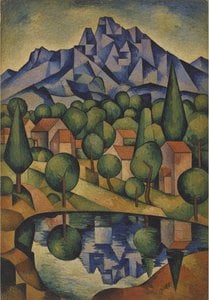
Cézanne oeuvre rendkívül sokszínű, tájképeket, életképeket, portrékat és fürdőkádak ábrázolásait foglalja magában, de mindegyiket egyedi formamegértése és színvilága egyesíti. A Jas de Bouffan tava, melyet 1880-ban festett, példázza tájképeit, bemutatva képességét a természet esszenciájának rögzítésére gondosan elrendezett formák és árnyalatok segítségével. Az Émile Zola portréja, melyet 1866-ban készített, felfedi fejlődő stílusát és lenyűgöző pillanatképet közeli barátjának és írótársának intenzív szellemiségéről. Életképei, például az almákat és más gyümölcsöket ábrázolók, nem csupán a tárgyak leképezései, hanem a térfogat, a fény és a téri kapcsolatok felfedezései. A Mont Sainte-Victoire sorozat Cézanne megszállottságává vált, egy visszatérő motívum, amely lehetővé tette számára, hogy évtizedeken keresztül szüntelenül vizsgálja a formát és a perspektívát. Ezek a festmények nem egyszerűen egy hegy ábrázolásai; hanem tanulmányok arról, hogyan érzékeljük a mélységet, a térfogatot és a fény és árnyék kölcsönhatását. Végül sorozata Fürdőkádakról, melyek idilli tájakban ábrázolt meztelen alakokat tartalmaznak, az emberi forma mély kutatása és kapcsolatát a természettel képviselik, gyakran egyfajta időtállóság és csendes kontempláció érzetével átitatva.
Egy innovációra épült örökség: Cézanne hatása a modern művészetre
Paul Cézanne hatása a következő generációk művészeire felmérhetetlen. Őt tartják széles körben a „modern művészet atyjának” úttörő hozzájárulásai miatt a képi nyelvhez, utat nyitva a 20. század számos jelentős művészeti áramlata előtt. Pablo Picasso és Georges Braque mélyen voltak Cézanne geometriai formákra való hangsúlyozásának és több perspektívának köszönhetők, amelyek a kubizmus központi elemeivé váltak. Merész színhasználata inspirálta a Fauvist mozgalmat is, melyet Henri Matisse vezette, aki élénk, nem-naturalisztikus árnyalatokat ölelt. Még a szürrealista művészek is találtak rezonanciát Cézanne szubjektív percepció és pszichológiai mélység kutatásában. A konkrét mozgásokon túl Cézanne ragaszkodása az alkotó egyéni látásmódjához és a hagyományos akadémiai korlátok elutasításához felszabadította a festők generációit, hogy új kifejezési formákat fedezzenek fel. Kihívta a reprezentáció fogalmát, áthelyezve a fókuszt a valóság utánozásáról egy olyan vizuális élmény megteremtésére, amely az alapvető szerkezetre és szubjektív percepcióra épül. Halála 1906-ban nem a végét jelentette, hanem egy új korszak hajnalát – a művészettörténet egy olyan új korát, amelyet gyökeresen formált forradalmi látásmódja.



 Megtekintés
 Kézzel festett másolat rendelése
 Küldés
 Megosztás
 Részletek

 Letöltés
 Hasonló darabok
 X-ray felvétel
 Diavetítés
 Statisztika


 Összes részlet megjelenítése






































 Az üvegkeretes opció csak 110 cm alatti méretben érhető el