Oil On CanvasWallArtRomanticism
 186719th Century
 57.0 x 36.0 cm
Vásároljon nagy felbontású, javított digitális képet, amely minőségében messze felülmúlja az online előnézetet.
Minden fájlt szakembereink a legmodernebb eszközök és precíz, kézi retusálás segítségével készítenek el aprólékosan. Gondoskodunk arról, hogy minden kép kivételes tisztasággal, pontos színhelyességgel és részletgazdag finomsággal rendelkezzen.
A végleges fájl 72 órán belül e-mailben megérkezik, professzionális, szerkesztői és nyomtatási környezetbe optimalizálva az azonnali használathoz. Ez ugyanaz a minőség, amelyben a legmeghatározóbb tervezőstúdiók, kiadók és galériák is megbízhatnak.
Töltsön le nagy felbontású fájlt személyes kiállításokhoz, nyomtatáshoz és kreatív projektekhez. ( Nyomat rendelése Kézzel festett másolat rendelése)
Amikor a WahooArt.com szolgáltatást választja, nem csupán egy képet kap – professzionálisan felmagasított digitális műalkotást kap, amely precizitással készült, és amelyet megelégsedési gwarancia tesz biztoslássá. Az alábbiakban automatikusan minden benne 】

A nagy felbontású digitális képmásolatát a megrendelést követő 72 órán belül e-mailben elküldjük Önnek – azonnal használható formátumban.

Műve professzionális módon kerül optimalizálásra fejlett mesterséges intelligencia eszközök és manuális szerkesztés segítségével, biztosítva a maximális részletességet, tisztaságot és színpontosságot.

Véletlenül törölted vagy elvesztetted a fájlodat? Ne aggódj – bármikor ingyen újra megküldjük neked.

Élvezze műalkotásait azonnal, vám, illeték vagy szállítási költség nélkül – a digitális letöltések mindig adamentesek.

Professzionális eszközök és színkezelés segítségével garantáljuk, hogy digitális képe a lehető legpontosabban tükrözze az eredeti színeket.

Ha nemມີ elégedett a digitális képpel, 100 napon belül átmunkáljuk azt, vagy 100% visszatérítjük az amountot – kérdés nélkül.

Nem érheted el a teljes elégedettséget? 100 napon belül teljes visszatérítést kapsz a digitális fájlod megérkezése után – kérdés nélkül.

Vásároljon 3 képet, spóroljon 10%-et - Vásároljon 5-öt, spóroljon 15%-et - Vásároljon 10+ képet, spóroljon 20%-at. Kiváló kreatív projektekhez, galériákhoz és ügynökségekhez.
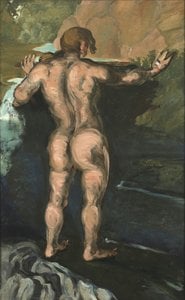
Paul Cézanne’s "Amour in Plaster," painted in 1867, offers a fascinating window into the artist's early development and his exploration of Romantic themes. This oil-on-canvas work (57 x 36 cm) depicts a plaster statue of a nude woman with her back to the viewer, leaning against what appears to be a tree or wall within a garden setting. The painting is characterized by its delicate handling of light and shadow, creating an atmosphere of quiet contemplation and subtle sensuality.
The central focus of "Amour in Plaster" is the statue itself, rendered with remarkable detail despite its seemingly fragile material. Cézanne’s attention to the woman's hair, which appears windblown, adds a sense of movement and life to the otherwise static form. The surrounding environment—the leaves visible on the tree or wall—introduces an element of natural beauty that contrasts with the artificiality of the plaster statue. The choice of a plaster figure is significant; it suggests a fleeting beauty, a temporary representation of ideal feminine form, hinting at themes of fragility and impermanence often explored in Romantic art.
"Amour in Plaster" exemplifies Cézanne's transitional style, blending elements of Romanticism with emerging realist tendencies. While the subject matter—a nude female figure in a natural setting—is rooted in Romantic tradition, Cézanne’s approach to depicting form and light demonstrates a move towards greater objectivity. Unlike the dramatic narratives often found in Romantic paintings, "Amour in Plaster" presents a more introspective scene, inviting viewers to contemplate the beauty of the statue and its relationship to the surrounding environment. Early influences on Cézanne included artists like Gustave Courbet, whose realist approach emphasized depicting subjects as they appeared in everyday life, and the Barbizon school painters who focused on capturing the effects of light and atmosphere in landscapes.
Created during a period when Cézanne was still finding his artistic voice, "Amour in Plaster" represents an important step in his development towards the groundbreaking innovations that would later define his mature style. This work predates his full embrace of Impressionism and his eventual pioneering role in Cubism. It’s considered part of his “dark period,” a time when he experimented with darker palettes and more introspective themes. Understanding this painting within Cézanne's broader artistic trajectory reveals its significance as a bridge between the Romantic past and the modernist future.
"Amour in Plaster" evokes a sense of quiet melancholy and understated beauty. The statue’s turned back invites viewers to project their own emotions and interpretations onto the scene, creating a deeply personal experience. The painting's subtle use of light and shadow enhances its emotional depth, drawing the viewer into a world of contemplation and introspection. This work, though less celebrated than some of Cézanne’s later masterpieces, remains a testament to his early talent and foreshadows the revolutionary artistic vision that would profoundly influence generations of artists to come.


1839 - 1906 , Franciaország

 Megtekintés
 Küldés
 Megosztás
 Részletek

 Letöltés
 Hasonló darabok
 X-ray felvétel
 Diavetítés
 Összes részlet megjelenítése