MegtekintésMegtekintés Műalkotás AR előnézeteMűalkotás AR előnézete Kézzel festett másolat rendelése Kézzel festett másolat rendeléseÁttérés digitális képre Áttérés digitális képre KüldésKüldés
RészletekRészletek Kedvencekhez ad Kedvencekhez ad LetöltésLetöltés Hasonló darabokHasonló darabok X-ray felvételX-ray felvétel DiavetítésDiavetítés StatisztikaStatisztika

Apostle Thomas

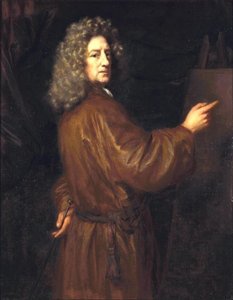
Nicolaes Maes’s "Apostle Thomas" is a captivating Baroque painting showcasing the apostle in a moment of quiet contemplation with dramatic chiaroscuro lighting and rich detail, reflecting Rembrandt's influence. Discover this stunning 1656 masterpiece and bring art history home.

Fedezd fel Nicolaes Maest (1634-1693), holland aranykorú festőjét, aki Rembrandt tanítványa és ismert művészettörténeti jelentőségűségű alkotója. Megismerkedj az életművével és művészi stílusával!

Giclée / Műnyomat

Múzeumi minőségű giclée vagy vászonnyomat, gyors gyártással és rugalmas finomítási lehetőségekkel. (Kézzel festett másolat rendelése Kézzel festett másolat rendeléseÁttérés digitális képre Áttérés digitális képre)

P118B $10
P118H $10
P118W $10
P438Z $10
P508JH $12
P508YH $12
P805H $10
P805Z $10
P919BZ $10
P919G $10
P919XJ $10
P959ZH $10
P968JZ $12
W106C $8
W218G $10
W218JH $8
W218Y $10
W307PJ $10
W316G $10
W316PJ $8
W316Y $10
W398PJ $8
W4111J $10
W500HY $15
W500JH $15
W692G $12
W849H $8
W940BG $15
W953PJ $8

Standard méret
egyedi méretű
CM
INCH

Válasszon előre meghatározott méreteink közül, amelyek megfelelnek a műalkotás eredeti arányainak.

szélesség
magasság

Megadhat saját méreteket is egy konkrét kerethez vagy helyszínhez igazítva. Amennyiben a kiválasztott méret nem egyezik az eredeti kép arányokkal, a műalkotást le fogjuk vágni, vagy kiegészítjük a képet tükrözött vagy egyszínű szélekkel. A gyártás megkezdése előtt egy digitális tervezetet küldünk jóváhagyásra.
Kérjük, vegye figyelembe, hogy a képernyőn látható előnézet nem tükrözi a tényleges levágást vagy kiegészítést. Csak a tervezet mutatja pontosan a végső kompozíciót.
Bár az egyedi méretek is elérhetőek, az eredeti arányok megőrzése érdekében azt javasoljuk, hogy válasszon a előre meghatározott listából származó méretet.

Világszerte történő kiszállítás területére mindössze 2 hét alatt, a szokásos 4-5 hét helyett. (9 szeptember)

why_choose_icon
Ingyenes globális expressz szállítás
why_choose_icon
Prémium minőségű len vászon
why_choose_icon
Teljes körű szállítási biztosítás
why_choose_icon
Vámvisszatérítési Garancia
why_choose_icon
Hiteles színpontosság garancia
why_choose_icon
100 napos visszaküldési lehetőség (csak hibás termékek esetén)
why_choose_icon
100% pénzvisszatérítési garancia
why_choose_icon
Több darab vásárlása esetén kedvezmény

Összesített ár

$ 68

reproduction

Apostle Thomas

Giclée / Műnyomat

Reprodukció mérete

-

Összesített ár

$ 68

Gyors információk

  • Movement: Baroque
  • Influences: Rembrandt van Rijn
  • Medium: Oil on panel
  • Artist: Nicolaes Maes
  • Subject or theme: Religious portrait
  • Artistic style: Dutch Golden Age
  • Title: Apostle Thomas

A Study in Contemplation: Nicolaes Maes’s Apostle Thomas

  • The Weight of Faith: Nicolaes Maes’s “Apostle Thomas” is more than a mere portrait; it's a carefully constructed meditation on faith, knowledge, and the quiet moments of introspection. Executed in 1656 during his formative years, this Baroque masterpiece reveals the burgeoning talent of a young artist deeply influenced by the master himself, Rembrandt van Rijn. The painting’s power resides not just in its subject – the Apostle Thomas, traditionally depicted as the doubter who demanded to feel Jesus' wounds – but in Maes’s ability to translate that theological tension into a palpable visual experience.
  • Baroque Drama and Dutch Light: Born in Dordrecht in 1634, Nicolaes Maes inherited the hallmarks of the Dutch Golden Age: a profound understanding of light and shadow – *chiaroscuro* – and an unwavering commitment to realism. This particular work exemplifies this approach brilliantly. The dark, almost impenetrable background serves as a dramatic stage for Thomas’s figure, intensifying the impact of the carefully rendered details. Maes skillfully manipulates light to illuminate Thomas' face and hands, drawing the viewer’s eye to his contemplative expression and the objects he holds – a book and quill pen – symbols of learning and devotion.

Technical Mastery: A Rembrandt-Inspired Approach

  • Detailed Rendering and Texture: Maes's meticulous attention to detail is immediately apparent. The fur lining of Thomas’s robe isn’t simply painted; it’s sculpted with a remarkable understanding of texture, conveying warmth and luxury. Similarly, the folds of the fabric, the quill pen, and the book itself are rendered with painstaking accuracy, demonstrating Maes's dedication to capturing the nuances of form and material. This level of detail was characteristic of artists working under Rembrandt’s influence, who prioritized a realistic portrayal over idealized beauty.
  • Color Palette and Composition: The color palette is rich and warm, dominated by browns, reds, and golds – colors associated with wealth, piety, and the divine. The composition itself is carefully balanced, with Thomas positioned centrally within the frame, creating a sense of stability and authority. The use of negative space further enhances the painting’s impact, allowing the viewer's eye to rest and contemplate the scene.

Historical Context: Faith and Portraiture in the Dutch Golden Age

  • The Rise of Religious Portraiture: The mid-17th century was a period of significant religious upheaval in Europe, and this is reflected in the subject matter of many Dutch portraits. Portraits were not merely representations of individuals; they were often statements of faith and social status. Thomas, as one of the apostles who doubted Jesus, offered an opportunity to explore themes of doubt, repentance, and ultimately, redemption – a potent message for a society grappling with religious questions.
  • Rembrandt’s Influence: Maes's apprenticeship under Rembrandt was crucial to his development. The influence of Rembrandt’s dramatic use of light and shadow, his psychological insight into his subjects, and his masterful handling of color are all evident in “Apostle Thomas.” This painting stands as a testament to the enduring legacy of one of history’s greatest artists.

Provenance and Significance

  • A Staatliche Museen Masterpiece: Currently housed at the Staatliche Museen in Kassel, Germany, “Apostle Thomas” represents a significant addition to the collection of Baroque masterpieces. Its presence within a public institution underscores its artistic merit and accessibility to art lovers worldwide.
  • Collecting the Spirit of the Golden Age: This reproduction offers an unparalleled opportunity to own a piece of Dutch history, capturing not only the visual beauty of Maes’s work but also the intellectual and spiritual context in which it was created. It's a window into a pivotal era of artistic innovation and religious exploration – a timeless testament to the power of human contemplation.

A művész életrajza

Nicolaes Maes (1634 - 1693): A Life Immersed in Dutch Light and Shadow

Nicolaes Maes, a name resonating softly within the pantheon of Dutch Golden Age masters, was born in Dordrecht in January 1634 into a world brimming with mercantile prosperity and artistic ferment. His father, Gerrit Maes, a successful cloth merchant and soap boiler, provided a comfortable upbringing, allowing young Nicolaes to pursue his burgeoning talent for painting. While early instruction came from a local artist of modest renown, the pivotal moment in Maes’s development arrived when he journeyed to Amsterdam around 1648 and entered the workshop of Rembrandt van Rijn. This apprenticeship proved transformative, imbuing him with an enduring appreciation for the dramatic interplay of light and shadow – *chiaroscuro* – and a masterful command of color that would define his early works. The influence was so profound that initial paintings, such as depictions of biblical scenes rendered with life-size figures and rich, glowing hues, were often mistakenly attributed to Rembrandt himself. These formative years laid the groundwork for a career marked by both technical brilliance and an intimate understanding of human emotion.

Early Years and Rembrandt’s Influence

Nicolaes Maes' artistic journey began under the tutelage of Samuel van Hoogstraten, a former pupil of Rembrandt who resided in Dordrecht between 1648 and 1651. Although Van Hoogstraten’s instruction was modest compared to Rembrandt’s renown, it instilled in Maes a foundational understanding of perspective and draughtsmanship—skills that would prove invaluable throughout his subsequent artistic endeavors. More significantly, however, Maes absorbed Rembrandt's distinctive style – particularly his masterful use of *chiaroscuro* – which profoundly shaped his approach to painting. This influence is evident in his earliest works, notably “Christ Blessing the Children” (1652–53), where Maes skillfully employed dramatic lighting to convey both spiritual solemnity and palpable emotion. Initial assessments erroneously credited Rembrandt with authorship of this masterpiece, highlighting the remarkable similarity between Maes’s technique and his former master's oeuvre.

From Dordrecht to Amsterdam: Genre Painting Takes Root

Returning to Dordrecht in 1654, Maes embarked on a path independent from direct emulation of Rembrandt, yet retaining the artist’s luminous palette and expressive dynamism. During this period, he honed his skills in domestic genre painting—scenes depicting everyday life within Dutch households—capturing the quiet dignity and subtle narratives woven into the fabric of daily existence. His fascination with lacemaking became a recurring motif, inspiring numerous variations on this theme that showcased Maes’s meticulous observation and artistic sensitivity. Paintings like “Woman Leaning Over a Lower Door” exemplify his ability to convey atmosphere and emotion through nuanced composition and color orchestration—techniques honed during his formative years alongside Rembrandt. These works stand apart from the grand historical canvases of their time, prioritizing intimacy and psychological realism over monumental scale or dramatic spectacle.

The Amsterdam Period: Portraiture and Artistic Evolution

Around 1660 Maes relocated to Amsterdam, a move that signaled both artistic ambition and astute adaptation to the evolving art market. The city’s burgeoning demand for portraiture presented an opportunity for Maes to refine his technique and establish himself as one of its leading practitioners. Abandoning much of his earlier genre work—characterized by warm hues and sentimental emotion—Maes embraced a cooler palette and more restrained style, aligning himself with the aesthetic sensibilities championed by artists like Anthony van Dyck. This stylistic shift reflected a broader trend within Dutch painting during the 1660s, as artists sought to elevate elegance and sophistication above mere emotional expression. As Arnold Houbraken noted, Maes “learned the art of painting from Rembrandt but lost that way of painting early, particularly when he took up portraiture and discovered that young ladies preferred white to brown.” His portraits—such as “Mr. Henricus van Born” (c. 1685)—are distinguished by their meticulous detail, refined elegance, and psychological insight—demonstrating Maes’s mastery of capturing both physical likeness and inner character.

Legacy and Enduring Significance

Nicolaes Maes passed away in Amsterdam in December 1693, leaving behind a substantial body of work that continues to captivate audiences today. His paintings offer invaluable insights into the social customs, domestic interiors, and psychological complexities of the Dutch Golden Age—a testament to his artistic vision and enduring legacy. Despite stylistic divergences from Rembrandt’s early style, Maes maintained an unwavering commitment to capturing human emotion with sensitivity and precision—a hallmark of his oeuvre that secures his place among the most influential painters of his era. His meticulous observation and masterful technique ensured that Nicolaes Maes' work would resonate for centuries to come, inspiring subsequent generations of artists and scholars alike. Today, his paintings are housed in prominent museums across Europe and North America, readily accessible for study and appreciation—a lasting tribute to a true master of Dutch Baroque art.

Nicolaes Maes

Nicolaes Maes

1634 - 1693 , Holland

A művészről röviden

  • Artistic Movement Or Style: Barokk
  • Artists Or Movements Influenced By This Artist: ['De Hooch']
  • Artists Who Influenced This Artist: ['Rembrandt van Rijn']
  • Date Of Birth: 1634. január
  • Full Name: Nicolaes Maes
  • Nationality: Hollandi
  • Notable Artworks:
    • Krisztus áldása gyermekeknek
    • Egy öreg nő pihenő helyén könyvvel
    • Halál és szegény
  • Place Of Birth: Dordrecht, Holland
Fedezze fel a műalkotásokat témák, stílusok és jellemzők szerint csoportosítva.