


 TemperaWallArtSymbolist Art Style
 1925Modern
 73.0 x 117.0 cm
Múzeumi minőségű giclée vagy vászonnyomat, gyors gyártással és rugalmas finomítási lehetőségekkel. ( Kézzel festett másolat rendelése Kép letöltése)





























Válasszon előre meghatározott méreteink közül, amelyek megfelelnek a műalkotás eredeti arányainak.

Megadhat saját méreteket is egy konkrét kerethez vagy helyszínhez igazítva. Amennyiben a kiválasztott méret nem egyezik az eredeti kép arányokkal, a műalkotást le fogjuk vágni, vagy kiegészítjük a képet tükrözött vagy egyszínű szélekkel. A gyártás megkezdése előtt egy digitális tervezetet küldünk jóváhagyásra.
Kérjük, vegye figyelembe, hogy a képernyőn látható előnézet nem tükrözi a tényleges levágást vagy kiegészítést. Csak a tervezet mutatja pontosan a végső kompozíciót.
Bár az egyedi méretek is elérhetőek, az eredeti arányok megőrzése érdekében azt javasoljuk, hogy válasszon a előre meghatározott listából származó méretet.
Világszerte történő kiszállítás területére mindössze 2 hét alatt, a szokásos 4-5 hét helyett. (6 szeptember)


Buddha the Winner
Reprodukció mérete
In the quietude of 1925, Nicholas Roerich captured something far more profound than a mere landscape; he distilled the very essence of spiritual triumph in his masterpiece, “Buddha the Winner.” To gaze upon this tempera work is to step away from the frantic rhythms of modern existence and enter a sacred, subterranean sanctuary. The painting presents us with an underwater or cavernous realm, where stalactites descend like frozen prayers from a ceiling lost in shadow. Within this husance, Roerich orchestrates a breathtaking dialogue between light and darkness, guiding the viewer’s soul toward a central figure of incomparable peace. It is not simply a depiction of a deity, but an invitation to undergo a personal meditation, mirroring the profound stillness sought by practitioners of ancient Eastern philosophies.
The technical execution of this piece reveals Roerich’s mastery over the tempera medium, a choice that lends the canvas a unique, almost tactile luminosity. Unlike the fluid transparency of watercolor, the tempera allows for a rich, layered depth that gives the cave's textures—the rugged stone and the delicate drip of minerals—a palpable presence. The artist employs a palette dominated by warm, radiant golds and oranges that seem to emanate from the Buddha himself, suggesting an internal enlightenment that defies the surrounding gloom. These fiery tones are masterfully contrasted against deep, ethereal blues in the background, creating a sense of infinite space that hints at a dimension existing far beyond the physical confines of the cave.
Every element within Roerich’s composition serves as a symbolic vessel for his deeper philosophical inquiries. The central figure of the Buddha sits in a posture of absolute composure, embodying the "winner" of the title—not one who has conquered lands, but one who has triumphed over the turbulence of the ego and the suffering of the material world. This sense of victory is echoed by the presence of birds scattered throughout the scene; these creatures act as messengers of freedom, representing the soul's ability to ascend beyond earthly constraints. Roerich, a polymath deeply immersed in Theosophy and Eastern mysticism, utilizes these motifs to weave a narrative of spiritual evolution and the ultimate liberation of the human spirit.
For the discerning collector or interior designer, “Buddha the Winner” offers more than mere aesthetic beauty; it provides an emotional anchor for a space. The painting possesses a rare ability to transform a room into a sanctuary of contemplation. Its balanced composition and harmonious color temperature make it a sophisticated centerpiece for those seeking to infuse their environments with a sense of Zen-like tranquility and intellectual depth. Whether placed in a quiet study or a grand living hall, this reproduction serves as a window into the sublime, reminding all who encounter it of the enduring power of inner peace and the luminous beauty found within the shadows of our own introspection.


1874 - 1947 , Oroszország
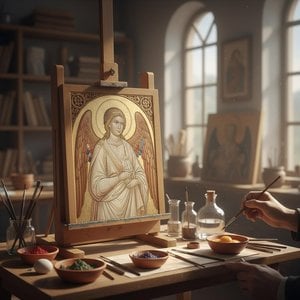
Unveil the sacred secrets of egg tempera on panel. Journey through the technical mastery and profound artistry of the Old Masters, from Giotto to Botticelli. An essential educational guide for Renaissance art enthusiasts seeking deep historical insight and expertise.

 Megtekintés
 Küldés
 Megosztás
 Részletek

 Letöltés
 Hasonló darabok
 X-ray felvétel
 Diavetítés
 Összes részlet megjelenítése







 Az üvegkeretes opció csak 110 cm alatti méretben érhető el


