

Múzeumi minőségű giclée vagy vászonnyomat, gyors gyártással és rugalmas finomítási lehetőségekkel. ( Kézzel festett másolat rendelése Áttérés digitális képre)





























Válasszon előre meghatározott méreteink közül, amelyek megfelelnek a műalkotás eredeti arányainak.

Írja be a keretének vagy a falának megfelelő szélességet és magasságot. A nyomatot csak le lehet vágni, soha nem tehető nagyobbá, mint az eredeti kép, így egy eltérő alakú méretnél a kép egy része elveszik. Mielőtt bármit kinyatintanánk, küldünk egy digitális próbamodellt jóváhagyásra. Az oldalon látható kép nem tartalmazza a valós levágást — ezt csak a próbamodell mutatja meg.
Világszerte történő kiszállítás területére mindössze 2 hét alatt, a szokásos 4-5 hét helyett. (2 november)
Hamlet and Ophelia
Reprodukció mérete
In the quiet, evocative depths of Mikhail Vrubel’s 1883 watercolor, Hamlet and Ophelia, we are invited into a world that transcends the boundaries of mere illustration. This masterpiece does not simply depict a scene from William Shakespeare’s most famous tragedy; rather, it captures the very essence of the Symbolist movement through a lens of profound intimacy. The painting presents two women seated in an old-fashioned, perhaps timeless, interior, facing one another in a moment caught between thought and speech. One figure is lost in the silent world of a book, her focus inward, while the other gazes upon her with an expression that oscillates between tender curiosity and a haunting sense of concern. It is a composition that breathes with the weight of unspoken words and the heavy atmosphere of anticipation.
The technique employed by Vrubel is nothing short of ethereal. Using the delicate medium of watercolor, he achieves a dreamy, almost translucent quality that lends the scene a fragile beauty. His brushstrokes are soft and nuanced, creating an atmosphere where the edges of reality seem to blur into a mist of emotion. This mastery of light and color allows the artist to evoke a sense of vulnerability, as if the entire moment might dissolve if one were to blink. For the discerning collector or interior designer, this piece offers a sophisticated layer of depth; its muted tones and soft textures provide a serene yet intellectually stimulating focal point that can anchor a room with a sense of historical grandeur and poetic mystery.
Beyond the surface beauty lies a rich tapestry of symbolic elements that demand deeper contemplation. Vrubel, a pioneer of Russian Symbolism, utilizes the objects within the frame to speak to the themes of introspection and the human condition. The book resting on the lap of the reading woman serves as a powerful emblem of knowledge, memory, and the internal life that exists far beyond physical presence. Nearby, a simple cup sits in the stillness, perhaps representing the nourishment of the soul or the fleeting nature of earthly comforts. Even the arrangement of the chairs—multiple seats positioned throughout the room—suggests a stage set for waiting, echoing the themes of longing and the inevitable passage of time that permeate Shakespeare’s play.
The emotional impact of Hamlet and Ophelia is found in this delicate balance between the seen and the unseen. There is a palpable tension in the gaze of the observing woman, a reflection of the psychological complexity that Vrubel was so adept at portraying. To possess a reproduction of this work is to bring into one's space a piece of art history that celebrates the beauty of the subconscious. It is an ideal selection for those who appreciate art that does not merely decorate a wall but invites a conversation, offering a window into the melancholic beauty and the profound, quiet dramas of the human spirit.
A „Hamlet and Ophelia”, Vrubel Mihály alkotása Hasonló alkotások oldala kapcsolódó műalkotásokat mutat be.
A "Hamlet and Ophelia" elérhető magas felbontású digitális kép letöltése formátumban, amelyet közvetlenül a Digitális alkotás oldalon vásárolhat meg.
A „Hamlet and Ophelia” műtémét Vrubel Mihály alkotójának tulajdonítják.


1856 - 1910 , Oroszország

Discover the ethereal beauty of watercolor through an art-historical lens. Master the delicate balance of light, fluidity, and pigment to capture the luminous essence of nature, inspired by the legendary techniques of the Old Masters and Impressionist greats.
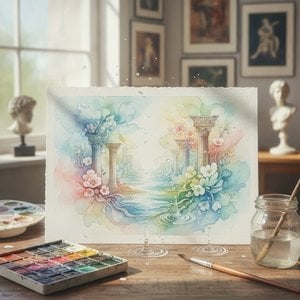
Discover the ethereal mastery of watercolor. Explore expert insights into light, fluidity, and historical techniques used by masters to create luminous, translucent landscapes and delicate floral compositions for the discerning art collector.

Discover the ethereal beauty of premium watercolor reproductions and bespoke commissions at WahooArt. From museum-quality landscapes to custom AI-enhanced portraits, our master artists deliver unparalleled craftsmanship and white-glove service for discerning collectors worldwide.

Journey through history with 10 legendary watercolor masterpieces that redefined art. Explore the stories, techniques, and iconic movements behind these timeless works. Find museum-quality reproductions and curated decor inspiration at WahooArt.com. Discover all masterpieces online.
 Megtekintés
 Küldés
 Megosztás
 Részletek
 Útmutató

 Letöltés
 Hasonló darabok
 X-ray felvétel
 Diavetítés
 Q&A
Q&A Statisztika

 Összes részlet megjelenítése









 Az üvegkeretes opció csak 110 cm alatti méretben érhető el


