


Az ezen az oldalon megjelenített műalkotások szerzői jogi védelem alatt állnak, ami azt jelenti, hogy törvényileg nem készíthetünk és nem adhatunk el belőlük pontos másolatokat. Ez a védelem olyan nemzetközi megállapodások alapján érvényesül, mint például a Berni Egyezmény és a nemzeti jogszabályok által, beleértve azokat is, amelyeket meghatározott Az USA szerzői jogi törvénye – 17. cím.
Ez a módszer teljes mértékben megfelel a szerzői jogi szabályozásnak, mivel nem tartalmazza a védett műalkotás másolását vagy duplikálását. Ehelyett ez egy kreatív újinterpretáció – egy új festmény, amely az eredetivel való összefüggései miatt hatással van rá, de nem az az.
Múzeumi minőségű giclée vagy vászonnyomat, gyors gyártással és rugalmas finomítási lehetőségekkel. ( Kézzel festett másolat rendelése Áttérés digitális képre)





























Válasszon előre meghatározott méreteink közül, amelyek megfelelnek a műalkotás eredeti arányainak.

Írja be a keretének vagy a falának megfelelő szélességet és magasságot. A nyomatot csak le lehet vágni, soha nem tehető nagyobbá, mint az eredeti kép, így egy eltérő alakú méretnél a kép egy része elveszik. Mielőtt bármit kinyatintanánk, küldünk egy digitális próbamodellt jóváhagyásra. Az oldalon látható kép nem tartalmazza a valós levágást — ezt csak a próbamodell mutatja meg.
Világszerte történő kiszállítás területére mindössze 2 hét alatt, a szokásos 4-5 hét helyett. (9 november)
The Donne Triptych
Reprodukció mérete
To stand before this magnificent triptych is to step directly into the richly colored, deeply contemplative world of the late 15th century. Hans Memling, the celebrated Bruges Master, has gifted us a composition that transcends mere depiction; it offers an intimate narrative tapestry woven from human interaction and spiritual yearning. The piece immediately draws the eye across its three distinct panels, each vignette presenting a moment suspended in time—a tableau vivant of devotion, scholarship, and communal life. One senses the hushed reverence of the setting, a place where earthly concerns mingle seamlessly with profound spiritual contemplation.
Memling’s technical brilliance is breathtakingly apparent upon close inspection. His handling of oil paint allows for an almost hyper-realistic rendering of textures—the heavy folds of the red garments, the subtle sheen on polished wood, and the delicate quality of skin tones speak to a mastery that only decades of dedicated practice could achieve. The composition itself, spanning three interconnected scenes, demonstrates a sophisticated understanding of pictorial space. Notice how the figures are arranged not just for visual balance, but to guide the viewer's eye through a narrative progression. This meticulous attention to detail is characteristic of the Early Netherlandish school, where every stray thread and every cast shadow contributes to the overall illusion of life.
The subject matter hints at deep theological currents. In one panel, the grouping of figures suggests discourse or perhaps a gathering for instruction, while another captures the quiet intimacy of reading—the book itself often serving as a potent symbol of divine wisdom or learned scripture. The kneeling figures in the third scene evoke postures of prayer and humility before something unseen, drawing the viewer into a shared moment of piety. These are not just people; they are archetypes engaged in acts that speak to the enduring human quest for meaning. For the collector or designer, this depth means the artwork offers conversation pieces far beyond mere decoration.
Dating from 1475, The Donne Triptych anchors us firmly in a period of profound cultural transition—a time when the burgeoning merchant class supported art that was both exquisitely beautiful and deeply meaningful. Memling managed to synthesize the intense spirituality of the Gothic tradition with an emerging naturalism. Owning or reproducing this work brings home not just a painting, but a tangible piece of Northern European artistic history. It possesses a vintage gravity, lending any room it graces an air of established, cultured elegance.
Whether adorning a formal study, a chapel-like drawing-room, or serving as the focal point in a gallery setting, this triptych promises to elevate the atmosphere. The rich palette and narrative complexity ensure that it remains captivating whether viewed from across the room or examined up close. It is an investment in enduring beauty—a piece that invites contemplation, rewards study, and whispers tales of faith and artistry across the centuries.
A "The Donne Triptych" egy WallArt alkotás.
A „The Donne Triptych” alkotását Hans Memling készítette Early Netherlandish Painting stílusban. A művész és a műveszetség meghatározza a mű hagyományát.
A „The Donne Triptych”, Hans Memling alkotása X-ray felvétel oldala egy interaktív nézegető, amely lehetővé teszi a mű alkotásának eleven optikai rétegei közötti görgetést, beleértve az röntgenszerű felvételt is.


Németország

Discover the profound allure of oil on canvas. Explore the mastery of impasto textures, the science of pigment longevity, and expert guides to selecting museum-quality reproductions that elevate your collection with timeless elegance and tactile depth.

Delve into the luminous revolution of Early Netherlandish painting. Unveil how Jan van Eyck and Flemish masters pioneered oil techniques to achieve unparalleled depth, sacred symbolism, and breathtaking realism, forever shaping the legacy of Western art history.
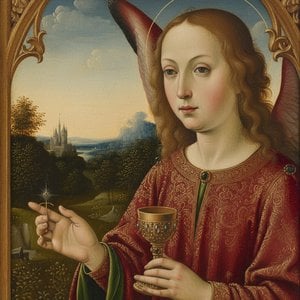
Embark on a journey through the luminous world of Early Netherlandish art. Discover the revolutionary oil techniques, microscopic realism, and sacred symbolism used by masters like Jan van Eyck to redefine Western art history in this expert-led guide.
 Megtekintés
 Küldés
 Megosztás
 Részletek
 Útmutató

 Letöltés
 Hasonló darabok
 X-ray felvétel
 Diavetítés
 Kérdések és válaszok
 Statisztika


 Összes részlet megjelenítése









 Az üvegkeretes opció csak 110 cm alatti méretben érhető el


