INGYENES MŰVÉSZETI TANÁCSADÁS

x
Nyomat vásárlása Nyomat vásárlásaKép letöltése Kép letöltése MegosztásMegosztás

RészletekRészletek Kedvencekhez ad Kedvencekhez ad LetöltésLetöltés Hasonló alkotásokHasonló alkotások X-ray felvételX-ray felvétel DiavetítésDiavetítés

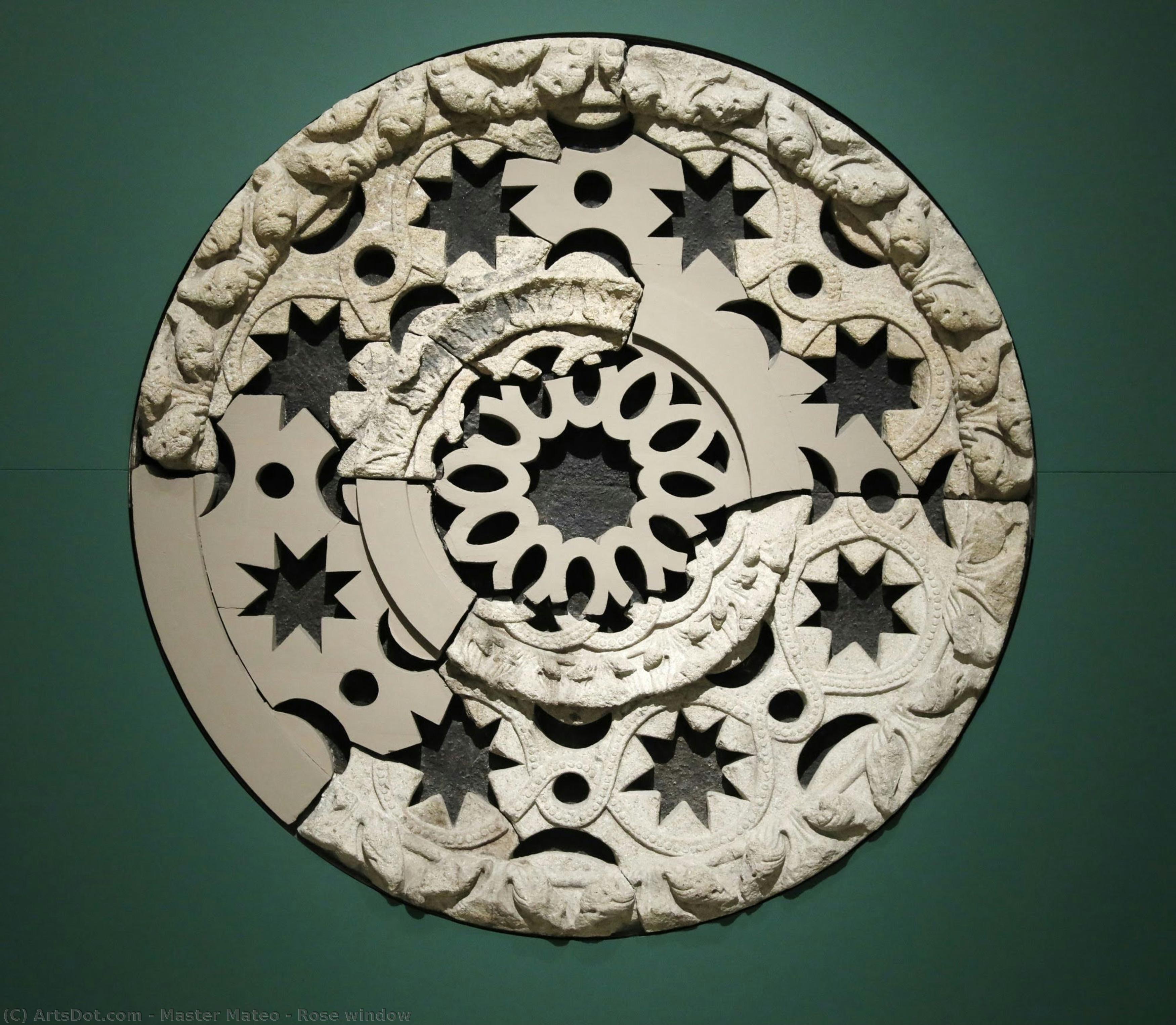
Rose window

Master Mateo (c. 1161-1217), Spanish sculptor of the Santiago de Compostela Cathedral, renowned for his Portico de la Gloria reliefs & religious figures.

Kézzel készített olajfestmény reprodukció

Kézzel festett olajvastú vászon, az Ön által választott méretben és keretben, művészeink készítik meglévőre.

Standard
custom
CM
INCH

Válasszon előre meghatározott méreteink közül, amelyek megfelelnek a műalkotás eredeti arányainak.

szélesség
magasság

Ön megadhat saját méreteket egy adott kerethez vagy térhez igazításhoz. Ha a kiválasztott méret nem egyezik az eredeti kép arányával, akkor a műalkotást levágjuk, vagy további kézzel festett elemekkel meghosszabbítjuk a festményt. A gyártás megkezdése előtt küldünk Önnek egy digitális előnézetet jóváhagyásra.
Kérjük, vegye figyelembe, hogy a képernyőn megjelenő előnézet nem tükrözi a tényleges vágást vagy kiterjesztést. Csak az előnézet fog pontosan mutatni a végső kompozíciót.
Bár egyedi méretek állnak rendelkezésre, javasoljuk, hogy válasszon egy méretet az előre meghatározott listából az eredeti arányok megőrzése érdekében.

Példák arra, mit lehet módosítani: az arc kicserélése az ügyfél fotójára; háziállat hozzáadása (pl. macska helyett kutya); rejtett üzenet elhelyezése a háttérben; a háttér tájának vagy elemeinek megváltoztatása.
A rendelést követően a WahooArt.com csapata e-mailt küld az ügyfélnek az instrukciókért, és biztosít egy előnézeti képet (mockup).

Világszerte elérhető szállítás () 3-4 hét alatt a szokásos 5 hét helyett. (3 július). A minőség nem kérdőjelezhető.

why_choose_icon
Ingyenes globális expressz szállítás
why_choose_icon
Prémium minőségű len vászon
why_choose_icon
Teljes szállítási biztosítás
why_choose_icon
Vámvisszatérítési Garancia
why_choose_icon
Tökéletes színpontosság garancia
why_choose_icon
60 napos visszaküldési lehetőség (csak gyártási hibák esetén)
why_choose_icon
100%-os pénzvisszatérítési garancia
why_choose_icon
Kedvezmény több termény esetén

Összesen

-

reproduction

Rose window

Reprodukciós technika

A reprodukció mérete

-

Összesített ár

-

A műalkotás leírása

Items made by Master Mateo in the cathedral collections include significant pieces from the great western facade that completed the Portico of Glory. This facade was first modified in the 16th century to hold doors that would close the cathedral. It was later replaced with the current baroque facade, which made use of the previous structure and covered it with new stone adornments. In

Hasonló műalkotások


A művész életrajza

Master Mateo (c. 1161 – c. 1217): The Soul of Santiago’s Glory

Master Mateo, a sculptor whose name remains shrouded in mystery despite his monumental contribution to the Catedral de Santiago de Compostela Cathedral, stands as one of the most revered figures of Romanesque art in Spain. Born around 1161 in Galicia – though precise details about his life are scarce – Mateo’s legacy rests primarily on his unparalleled achievement: the Portico de la Gloria, a breathtaking architectural marvel that dominates the cathedral’s façade and embodies the spiritual fervor of the twelfth century.

The Genesis of Glory

Little is known about Mateo's formative years. He emerged as a sculptor during a period marked by fervent religious devotion and artistic innovation. The Cathedral project itself was conceived in 1132, driven by King Alfonso VIII and fueled by the pilgrimage route to Santiago – a journey considered holy and transformative. Mateo’s involvement began around 1188, tasked with overseeing the creation of the Portico de la Gloria, a triple doorway adorned with intricate sculptures depicting biblical scenes and figures representing virtues.

A Symphony in Stone: Technique and Style

Mateo's sculptural style is characterized by remarkable realism—a departure from earlier Romanesque conventions. He meticulously studied human anatomy and drapery, achieving astonishing accuracy in his depictions. His mastery of limestone carving was unparalleled; he skillfully employed a technique known as “trabajo vivo,” which involved layering stone slabs to create textured surfaces that mimicked the appearance of flesh and fabric. This innovative approach distinguishes Mateo’s work from its contemporaries and elevates it to a level of artistic sophistication rarely seen in his time.

The Portico de la Gloria: A Testament to Faith

The Portico de la Gloria is arguably Mateo’s magnum opus. Its central panels depict scenes from the Gospels—the Nativity, Annunciation, Crucifixion and Resurrection—executed with breathtaking detail and emotional intensity. The sculptures are imbued with a palpable sense of spirituality, reflecting the profound faith that permeated medieval society. Beyond its artistic merit, the Portico serves as a powerful symbol of pilgrimage and Christian devotion.

Legacy and Influence

Despite the anonymity surrounding Mateo’s life, his influence on subsequent generations of sculptors is undeniable. His pioneering use of “trabajo vivo” established a new standard for stone carving and inspired artists throughout Spain and beyond. The Portico de la Gloria continues to captivate visitors today, serving as a testament to Mateo's genius and the enduring power of Romanesque art. Its intricate carvings remain an unparalleled achievement in sculptural artistry—a timeless reminder of faith, beauty, and human creativity.

master mateo

master mateo

1161 - 1217 , Spain

Rövid tények

  • Artistic Movement Or Style: Romanesque Sculpture
  • Date Of Birth: c. 1150
  • Date Of Death: c. 1217
  • Full Name: Mateo de Compostela
  • Nationality: Spanish
  • Notable Artworks: ['Portico de la Gloria']
  • Place Of Birth: Spain