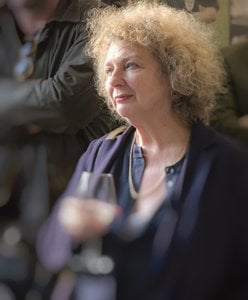
A művész életrajza
Marlene Dumas – Egy Élet Szépség És Társadalmi Jellegű Közönség És Mélység Árnyékában
Marlene Dumas, született 1953-ban Dél-Afrikában, egy olyan festőnő, aki művészetében ritkán előforduló érzelmi mélységet tükrözi és nagy hangsúlyt helyez el a szépség és társadalmi igazságtalanság kérdésének vizsgálatára. Élete közepén Dél-Afrikában töltött idő alaposan befolyásolta művészi látását, melyet az apartheid rendszer moralikus következményeivel foglalkozó tudatos érzékenységre nevelte és arra, hogy megvizsgálja az emberi identitás komplexitását. Édesanyja házasságban élő szülője Kuils Riverében, egy borvidékben lakott, ahol először tapasztalhatta meg Dél-Afrikában zajló társadalmi szakadékokat és egy történelem alattomos szépségét és terhelését – egy táj amely egyszerre gyönyörű és súlyos múlt következményeit rejti magában. Ez korai érintetlensége egy szétesett világ témájává vált művészi életében, mely folyamatosan foglalkozik rasszizmus, szexualitás és az emberi létezés psihológiai súlyával. Dumas művészi útja 1972-ben kezdődött a Kápitáni Egyetemen, ahol egy BFA fokozatot szerzett etikával együtt – ez kulcsfontosságú volt egy művészi gyakorlat számára, amely mélyen foglalkozik morális kérdésekkel és az emberi természet megismerésével. Folytatta tanulmányait az Ateliers ’63 művészettudományi iskolában Haarlemban, Németországban, és 1976-ban költözött át Amsterdamba – egy lépés, amely jelentősen változtatta meg nemcsak földrajzi helyzetét hanem művészi perspektívááját is. Egy évvel később a Kápitáni Egyetemen végzett psihológiai szakmai tanulmányai tovább növelték képességét arra, hogy az emberek belsejét rendkívül érzékenyen ábrázolja.
Korai Élet És Tanulmányok
Dumas született 1953-ban Dél-Afrikában és felnövettes egy borvidékben Kuils Riverében a Nyugat-Kápitáni régióban, ahol édesapja birtokló volt. Édesanyja házasságban élő szülője Kuils Riverében lakott, ahol először tapasztalhatta meg Dél-Afrikában zajló társadalmi szakadékokat és egy történelem alattomos szépségét és terhelését – egy táj amely egyszerre gyönyörű és súlyos múlt következményeit rejti magában. Dumas tanulmányozta az művészetet a Kápitáni Egyetemén 1972 és 1975 között, majd az Ateliers ’63 művészettudományi iskolában Haarlemban, Németországban, ahol etikával együtt egy BFA fokozatot szerzett. Ez kulcsfontosságú volt egy művészi gyakorlat számára, amely mélyen foglalkozik morális kérdésekkel és az emberi természet megismerésével. Dumas első művészi önállója 1973-ban kezdődött és közvetlenül foglalkozott Dél-Afrikában zajló apartheid időszakával, tükrözve fehér nő identitását egy rasszista szegregációs rendszer morális következményeivel szemben. Édesanyja házasságban élő szülője Kuils Riverében lakott, ahol először tapasztalhatta meg Dél-Afrikában zajló társadalmi szakadékokat és egy történelem alattomos szépségét és terhelését – egy táj amely egyszerre gyönyörű és súlyos múlt következményeit rejti magában. Dumas tanulmányozta az művészetet a Kápitáni Egyetemén 1972 és 1975 között, majd az Ateliers ’63 művészettudományi iskolában Haarlemban, Németországban, ahol etikával együtt egy BFA fokozatot szerzett. Ez kulcsfontosságú volt egy művészi gyakorlat számára, amely mélyen foglalkozik morális kérdésekkel és az emberi természet megismerésével. Dumas első művészi önállója 1973-ban kezdődött és közvetlenül foglalkozott Dél-Afrikában zajló apartheid időszakával, tükrözve fehér nő identitását egy rasszista szegregációs rendszer morális következményeivel szemben. Édesanyja házasságban élő szülője Kuils Riverében lakott, ahol először tapasztalhatta meg Dél-Afrikában zajló társadalmi szakadékokat és egy történelem alattomos szépségét és terhelését – egy táj amely egyszerre gyönyörű és súlyos múlt következményeit rejti magában. Dumas tanulmányozta az művészetet a Kápitáni Egyetemén 1972 és 1975 között, majd az Ateliers ’63 művészettudományi iskolában Haarlemban, Németországban, ahol etikával együtt egy BFA fokozatot szerzett. Ez kulcsfontosságú volt egy művészi gyakorlat számára, amely mélyen foglalkozik morális kérdésekkel és az emberi természet megismerésével. Dumas első művészi önállója 1973-ban kezdődött és közvetlenül foglalkozott Dél-Afrikában zajló apartheid időszakával, tükrözve fehér nő identitását egy rasszista szegregációs rendszer morális következményeivel szemben. Édesanyja házasságban élő szülője Kuils Riverében lakott, ahol először tapasztalhatta meg Dél-Afrikában zajló társadalmi szakadékokat és egy történelem alattomos szépségét és terhelését – egy táj amely egyszerre gyönyörű és súlyos múlt következményeit rejti magában. Dumas tanulmányozta az művészetet a Kápitáni Egyetemén 1972 és 1975 között, majd az Ateliers ’63 művészettudományi iskolában Haarlemban, Németországban, ahol etikával együtt egy BFA fokozatot szerzett. Ez kulcsfontosságú volt egy művészi gyakorlat számára, amely mélyen foglalkozik morális kérdésekkel és az emberi természet megismerésével. Dumas első művészi önállója 1973-ban kezdődött és közvetlenül foglalkozott Dél-Afrikában zajló apartheid időszakával, tükrözve fehér nő identitását egy rasszista szegregációs rendszer morális következményeivel szemben. Édesanyja házasságban élő szülője Kuils Riverében lakott, ahol először tapasztalhatta meg Dél-Afrikában zajló társadalmi szakadékokat és egy történelem alattomos szépségét és terhelését – egy táj amely egyszerre gyönyörű és súlyos múlt következményeit rejti magában. Dumas tanulmányozta az művészetet a Kápitáni Egyetemén 1972 és 1975 között, majd az Ateliers ’63 művészettudományi iskolában Haarlemban, Németországban, ahol etikával együtt egy BFA fokozatot szerzett. Ez kulcsfontosságú volt egy művészi gyakorlat számára, amely mélyen foglalkozik morális kérdésekkel és az emberi természet megismerésével. Dumas első művészi önállója 1973-ban kezdődött és közvetlenül foglalkozott Dél-Afrikában zajló apartheid időszakával, tükrözve fehér nő identitását egy rasszista szegregációs rendszer morális következményeivel szemben. Édesanyja házasságban élő szülője Kuils Riverében lakott, ahol először tapasztalhatta meg Dél-Afrikában zajló társadalmi szakadékokat és egy történelem alattomos szépségét és terhelését – egy táj amely egyszerre gyönyörű és súlyos múlt következményeit rejti magában. Dumas tanulmányozta az művészetet a Kápitáni Egyetemén 1972 és 1975 között, majd az Ateliers ’63 művészettudományi iskolában Haarlemban, Németországban, ahol etikával együtt egy BFA fokozatot szerzett. Ez kulcsfontosságú volt egy művészi



 Előnézet
 Kézzel festett másolat vásárlása
 Megosztás
 Megosztás
 Részletek
 Útmutató

 Letöltés
 Hasonló darabok
 X-ray felvétel
 Diavetítés
 Statisztika


 Tovább olvasom






































 Az üvegkeretes opció csak 110 cm alatti méretben érhető el