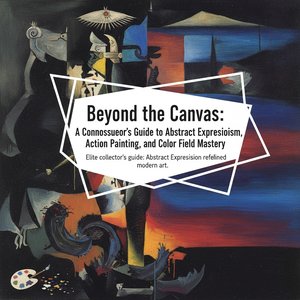
Korai Évek és a Művészi Látás Magvai
Mark Rothko, eredeti nevén Markus Yakovlevich Rothkowitz 1903-ban született Dvinszkben (ma Daugavpils, Lettország), egy olyan érzéssel tele, amely mélyen formálta művészeti útját. Gyermekéveit a zsidó családok bizonytalansága jellemezte, melyekre a Települési Sáv árnyékai vetődtek, pogromokkal és politikai nyugtalanságokkal terhelve. Ez a légkör mély együttérzést ébresztett benne az emberi szenvedéssel szemben, egy olyan témával, amely egész életművén végigvonult. Az 1913-as Portlandbe (Oregon) való kivándorlás nem csupán földrajzi változást jelentett Rothkó számára, hanem kulturális felfordulást is. Apja, egy szocialista gondolkodású gyógyszerész, otthont teremtett a viták és a tanulásnak, azonban Jacob Rothkowitz halála rövid idővel megérkezésük után mély árnyékot vetett rájuk. Ez a korai veszteségélmény, valamint az asszimiláció kihívásai élethosszig tartó létezési kérdések feltárásához vezetett – a halandóság, a trauma és a kaotikus világban való értelmes kereséshez. Bár kiemelkedő tanulmányi eredményeket ért el Yale Egyetemen, Rothko inkább New York City vibráló energiájába vonzódott, feladva formális tanulmányait, hogy szenvedélyét kövesse a Art Students League-ben. Ezek az alakuló évek vetették meg annak a művészi látásnak az alapjait, amely végül kihívást jelentett a festészet hagyományos fogalmaival és átformálta a szín érzelmi erejét.
Figuratív Kezdetei és Az Absztrakt Expresszionizmushoz Való Út
Rothko korai művészi kísérletei szilárdan gyökereztek a realizmusban, városi jeleneteket és portrékat ábrázolva éles szemmel a részletek iránt. Ezek a korai alkotások azonban már sejtették azt a pszichológiai mélységet, amely később védjegyévé vált. A 1940-es években, ahogy a világ küzdött a második világháború borzalmaival, Rothko művészete drámai átalakuláson ment keresztül. A szürrealizmus és a mitológia hatására elmozdult az ábrázolásos képektől, és inkább egyetemes emberi érzelmek kifejezésére törekedett szimbolikus formákon keresztül. Ebben az időszakban jelentek meg többformás festményei – vásznakon elhelyezkedő homályos, biomorf alakzatok, amelyek a figuráció és az absztrakció között lebegtek. Ezek a művek nem csupán formai kísérletek voltak; mélyen átélt válaszok a háborús világ bizonytalanságára és szorongásaira. Az 1940-es évek végére Rothko megérkezett sajátos stílusához: nagyméretű vásznakra festett, egymással rezonáló téglalap alakú színtömbökkel. Minden felismerhető ábrázolástól megszabadult, és a szín és forma tiszta érzelmi hatására koncentrált. Ez jelentős pillanatot jelzett az Absztrakt Expresszionizmus fejlődésében, és Rothkót ennek a forradalmi mozgalomnak vezető alakjává tette.
A Színmezők és a Transzcendencia Törekedése
Rothko érett munkáit definiálja az úgynevezett "Színmező" festészet – hatalmas, ragyogó színekkel borított területek, amelyek magukba foglalják a nézőt. Ezek a festmények nem arról szólnak, *mit* ábrázolnak, hanem *hogyan* éreztetik magukat. Rothko hitt abban, hogy a művészetnek érzelmileg kell elköteleznie a nézőt, megkerülve az intellektuális elemzést és közvetlenül a szívhez szólva. Aprólékosan rétegezett vékony festésrétegeket használt, finom árnyalatbeli változásokat hozva létre, amelyek belülről látszottak sugárzani a vászonból. Téglalap alakú formáinak szélei gyakran elmosódottak, lehetővé téve, hogy keveredjenek és kölcsönhatásba lépjenek egymással, mélység- és mozgásérzetet keltve. Rothko szándékosan kerülte a számokon túli címeket – "No. 1", "No. 6" – bátorítva a nézőket, hogy előítéletek nélkül álljanak szembe a festményekkel, és saját érzelmi reakcióik vezessenek. Egy kontempláció terét akart teremteni, egy szent helyet, ahol a nézők kapcsolatba léphetnek valami nagyobb dologgal.
Ambíciója nem kevesebb volt, mint mély spirituális élmények kiváltása a szín nyelvén keresztül.
Főbb Eredményei és Tartós Öröksége
Rothko legjelentősebb alkotásai közé tartozik a "No. 10 (1950)", egy kulcsfontosságú munka, amely illusztrálja fejlődő stílusát, valamint a Seagram Murals (1958). A New York City Four Seasons éttermébe rendelt falműveket végül Rothko elutasította, mivel úgy érezte, hogy a tervezett környezet kompromittálná őket. Ehelyett adományozta azokat a Tate Gallerynek Londonban, ahol ma is csodálatot és elmélkedést váltanak ki. Talán legambiciózusabb projektje a Rothko Chapel (1971) Houstonban, Texasban – egy nem felekezetű szentély tizennégy festményével. Csendes elmélkedés helyeként megtervezett kápolnát sokan szent helynek tekintik, megtestesítve Rothko hitét a művészet spirituális erejében.
Rothko utókorra gyakorolt hatása hatalmas volt. Útja nyitotta meg az utat a Minimalista művészet számára, és továbbra is inspirálja a kortárs festőket, akik felfedezik az absztrakció érzelmi lehetőségeit. Bár élete során depresszióval küzdött, ami 1970-ben tragikus öngyilkosságához vezetett, Mark Rothko máig az egyik legfontosabb és legbefolyásosabb művész a 20. században – egy színmester, akinek munkássága továbbra is rezonál a világ közönségével.
A Mély Érzelmi Rezonancia Tartós Ereje
- Rothko festményeit ünneplik azért, hogy képesek az emberi érzelmek univerzális skáláját közvetíteni – tragédiát, extázist, kétségbeesést és reményt.
- A szín kifejezésének eszközeként való felfedezése forradalmasította az absztrakt festészetet.
- A Rothko Chapel tanúbizonyság a művészet spirituális erejébe vetett hitének.
- Továbbra is kulcsfontosságú alakja az Absztrakt Expresszionizmusnak és jelentős hatással van a kortárs művészekre.
Rothko öröksége túlmutat a művészettörténet határain. Munkája arra ösztönöz bennünket, hogy szembenézzünk saját halandóságunkkal, megküzdjünk az emberi létezés bonyolultságaival és értelmet keressünk egy gyakran jelentéstelen világban. Emlékeztet bennünket arra, hogy a művészet nem csupán esztétikáról szól; kapcsolatról szól – kapcsolatról önmagunkkal, másokkal és valami nagyobbal. Festményeinek tartós ereje abban rejlik, hogy képesek ezeket a mély érzelmeket kiváltani, vigaszt, inspirációt és egy pillantást az emberi lélek mélységeibe nyújtva.


![Untitled (still Life) [recto] — Mark Rothko](/media/artworks/images-full/81/76/8176c34b64f9b62d916edb9a2704ad25.jpg)
 Megtekintés
 Kézzel festett másolat rendelése
 Küldés
 Megosztás
 Részletek

 Letöltés
 Hasonló darabok
 X-ray felvétel
 Diavetítés
 Stats
Stats
 Összes részlet megjelenítése






































 Az üvegkeretes opció csak 110 cm alatti méretben érhető el